Key Takeaways
- Persistent standing water and soggy lawns are indicators of poor drainage.
- Signs like foundation cracks and damp basements may signal water accumulation issues.
- Poor drainage often results in noticeable landscape damage and accelerating soil erosion.
- Early intervention can help prevent major property damage as well as health hazards.
Table of Contents
- Persistent Standing Water
- Soggy or Mushy Lawns
- Foundation Cracks and Basement Dampness
- Soil Erosion and Landscape Damage
- Mold and Mildew Growth
- Damage to Driveways and Walkways
- Overflowing or Backed-Up Gutters
- Conclusion
Ensuring your property has proper drainage is crucial for preventing costly structural damage, landscape erosion, and even potential health risks for your family. Many homeowners overlook subtle signs of drainage failure until they face significant issues that impact their daily lives or the safety of their homes. In the first stages of dealing with drainage problems, understanding essentials such as what is a catch basin and how drainage systems function can be invaluable for implementing the right solutions quickly and effectively.
Recognizing these warning signs promptly can save thousands of dollars in repairs and keep your property’s foundations strong for years to come. Whether the issue is visible pooling water or persistent dampness in basements, the longer you wait to address poor drainage, the greater the risk to your home and landscape.
Persistent Standing Water
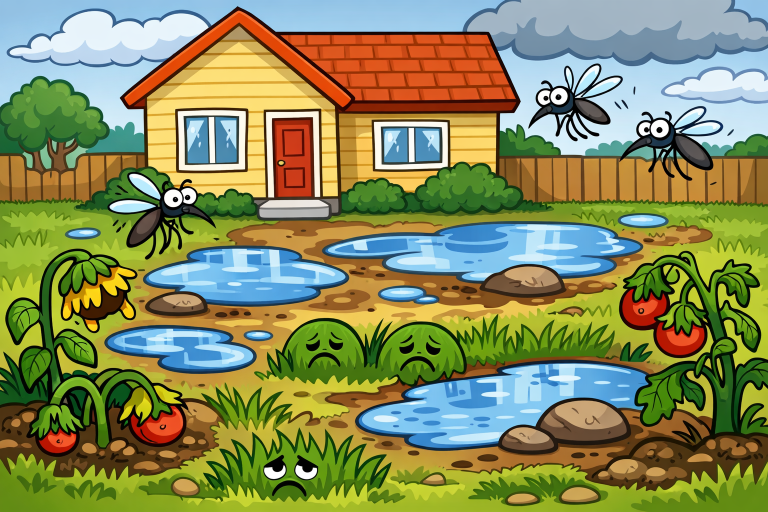
After heavy rainfall, if you notice puddles remaining in your yard for more than 24 hours, your property likely has drainage issues. Persistent standing water suffocates plant roots, attracts mosquitoes, and is a leading cause of yard and basement damage. Resolving this usually requires reshaping or regrading your yard, or, in some scenarios, installing a drainage system for better water management.
Standing water can negatively impact your entire landscape ecosystem. In addition to suffocating plants and damaging turf, standing water often becomes a breeding ground for mosquitoes, which can introduce further health concerns for you and your family. Over time, insect infestations can become persistent and difficult to control if drainage problems are not promptly resolved. Moreover, the stagnant water can attract other pests, such as rodents, that are searching for accessible water sources and shelter, posing an added risk to your home.
Soggy or Mushy Lawns
If parts of your lawn remain wet or feel spongy underfoot during dry spells, water is likely not draining as it should. This is most common with compacted soil or uneven yard grading. Aerating the soil, amending soil quality, or installing underground piping to redirect water are all effective solutions. Consistent soggy lawns can threaten the health of your grass and cause disease if left unchecked.
Another tell-tale sign is the appearance of unusually lush, fast-growing patches in the affected areas. This can indicate the presence of excess nutrients and moisture due to poor drainage. Persistent wet spots can also lead to root rot and fungal infections in your lawn or garden beds. For homeowners with pets or children, soggy lawns can create safety issues, with slippery or muddy surfaces leading to slips and falls. If this issue is left unresolved, the overall quality and use of your yard can be significantly affected.
Foundation Cracks and Basement Dampness
Pooling water near the foundation can seep indoors, leading to basement dampness, visible mold, and long-term structural compromise, including cracks in the walls or foundation. These hazards not only affect the safety of your home but can also result in expensive repairs. Proactive solutions include proper yard grading to slope water away from the property, or more advanced setups like French drains or sump pumps for persistent issues.
Basement dampness is not always easy to detect right away, but early signs include peeling paint, rust on appliances, or a persistent musty odor. Delaying repairs here can lead to the deterioration of building materials, such as wooden beams, drywall, and insulation. In the worst cases, ongoing water intrusion can undermine the stability of your home, leading to hazardous living conditions and significant drops in property value. For homes with finished basements, water infiltration often causes irreparable damage to flooring, furniture, and electronics, incurring substantial replacement costs.
Soil Erosion and Landscape Damage
Signs like deep gullies, exposed tree roots, or displaced mulch indicate that water is moving across your property without being absorbed. Rapid water flow erodes topsoil and destabilizes landscaping, which can lead to even worse drainage issues over time. Implementing erosion controls, such as retaining walls and ground cover plants, along with drainage improvements, is an essential step in reversing and preventing erosion.
Unchecked soil erosion not only ruins your landscaping investment but can also overwhelm nearby bodies of water with sediment, negatively affecting the local ecosystem and potentially leading to regulatory fines for environmental damage. Landscapes designed with erosion control in mind are more resilient during storms or seasonal changes, offering better protection for your home and reducing maintenance costs. Integrating appropriate solutions proactively will save time, money, and effort in the long run.
Mold and Mildew Growth
Poor drainage can result in moisture making its way into crawl spaces, basements, or even living areas, fostering mold and mildew growth. If you smell a musty odor or see visible mold spots, this is likely caused by persistent dampness from failing drainage. These spores pose major health concerns, especially for children or those with allergies or asthma. Addressing the drainage problem is critical to eliminating mold at its source rather than simply treating surface symptoms.
Mold intrusion can aggravate respiratory conditions and cause symptoms such as coughing, sneezing, and itchy eyes. In extreme cases, toxic molds pose severe health hazards, especially to those with compromised immune systems. Damp indoor environments also promote dust mite proliferation, exacerbating indoor air quality problems. By prioritizing moisture control and swiftly addressing underlying drainage concerns, homeowners can maintain a healthier, safer, and more comfortable living environment.
Damage to Driveways and Walkways
Cracks, uneven surfaces, and settling in driveways and walkways frequently result from water collecting or flowing beneath these structures. Over time, trapped water erodes the base material, creating structural instability and tripping hazards. Ensuring that water is diverted away from all hardscape areas will help preserve not only appearance but safety and property value.
Additionally, neglected hardscape drainage can cause frost heave in colder climates, further accelerating cracking or buckling. Preventing water from accumulating around paved areas is crucial to maintain long-term function, reduce repair frequency, and avoid emergency situations caused by hazardous surfaces. Proper grading, channel drains, and regular inspections go a long way in prolonging the lifespan of your property’s sidewalks and driveways.
Overflowing or Backed-Up Gutters
Gutters are designed to carry rainwater away from your house safely. When they overflow or back up, water may pool around your foundation or landscaping, increasing the risk of major structural damage. Regular cleaning, along with professional installation of downspouts, helps prevent blockages and ensures that water is efficiently channeled away from high-risk areas of your home.
If your gutter system fails, water can also infiltrate exterior siding, causing rot and premature aging of materials. It’s important to check for loose or disconnected downspouts and to ensure runoff is carried at least several feet away from your home. Seasonal maintenance of your gutter system is one of the simplest yet most effective ways to shield your property from the detrimental consequences of poor drainage and water intrusion. Small issues, like leaves and debris clogging your gutters, can quickly become expensive headaches if not addressed regularly.
Conclusion
Being able to identify the warning signs of poor drainage is essential for all homeowners. By taking action early, you can avoid serious complications to your property and prevent further health and landscape issues. Prioritizing effective drainage solutions increases the longevity of your home while protecting your investment and the well-being of your household.
Remember that every home and property is unique, so it’s vital to monitor your landscape and building closely for changes over time. If you suspect persistent drainage problems that aren’t resolved with simple DIY solutions, consulting a professional ensures that underlying causes are properly diagnosed and addressed before more severe or widespread damage occurs. Safeguarding your home now can prevent costly repairs and loss of value in the future, keeping your property safe, beautiful, and functional for the long term.
