Key Takeaways
- Sustainable design choices significantly reduce maintenance and environmental impact.
- Connecting indoor and outdoor living areas maximizes usable space and enhances comfort.
- Native and drought-tolerant vegetation drives water conservation and strengthens regional biodiversity.
- Innovative garden technology personalizes outdoor maintenance and care.
- Versatile outdoor designs serve entertainment, dining, recreation, and relaxation alike.
Table of Contents
- Sustainable Landscaping
- Indoor-Outdoor Integration
- Native Plantings
- Smart Garden Technology
- Multifunctional Outdoor Spaces
- Conclusion
Homeowners today are prioritizing landscape designs that go beyond simple aesthetics, instead opting for blends of beauty, practicality, and sustainability. The drive to create inviting, functional outdoor spaces is especially evident across the United States, with growing interest in features such as seamless indoor-outdoor transitions and eco-friendly garden solutions. For example, reimagining your front porch in Loudoun County, VA can be the first step toward transforming the entire outdoor experience of your home.
As property values increase and outdoor living becomes more integral to homeowners’ lifestyles, attention to detail in landscape design is more crucial than ever. Elements that foster both relaxation and social engagement are shifting from luxury to expectation. This article highlights the most impactful modern landscaping trends, enabling homeowners to create spaces that are at once elegant, environmentally conscious, and fully integrated into daily life.
Sustainable Landscaping
Environmental stewardship is at the forefront of modern landscape design. Homeowners are increasingly seeking ways to reduce water use, minimize waste, and protect surrounding ecosystems, while beautifying their properties. Popular sustainable practices include installing drip irrigation systems and using permeable paving to reduce runoff. Incorporating mulches and organic soils further supports healthy plant growth and resilient gardens. In arid states like Texas, landscaping with native, drought-resistant plants, such as agave and Texas sage, maximizes curb appeal while minimizing irrigation. Sustainable design not only conserves resources but also saves homeowners time and money in the long run.
Another rising trend in sustainable landscaping is the integration of rain gardens, bioswales, and pollinator-friendly habitats into home gardens. These elements not only help manage stormwater and minimize erosion, but they also foster critical habitats for bees, butterflies, and birds facing environmental stressors. By choosing permeable materials for walkways and driveway surfaces, homeowners can make a tangible impact on local water quality, improving the health of nearby streams and rivers. Furthermore, sustainable landscapes often feature edible gardens, composting setups, and upcycled hardscape materials. These innovations blend productivity and conservation, enabling households to reduce waste, enjoy fresh produce, and limit their reliance on chemical fertilizers or pesticides.
Indoor-Outdoor Integration
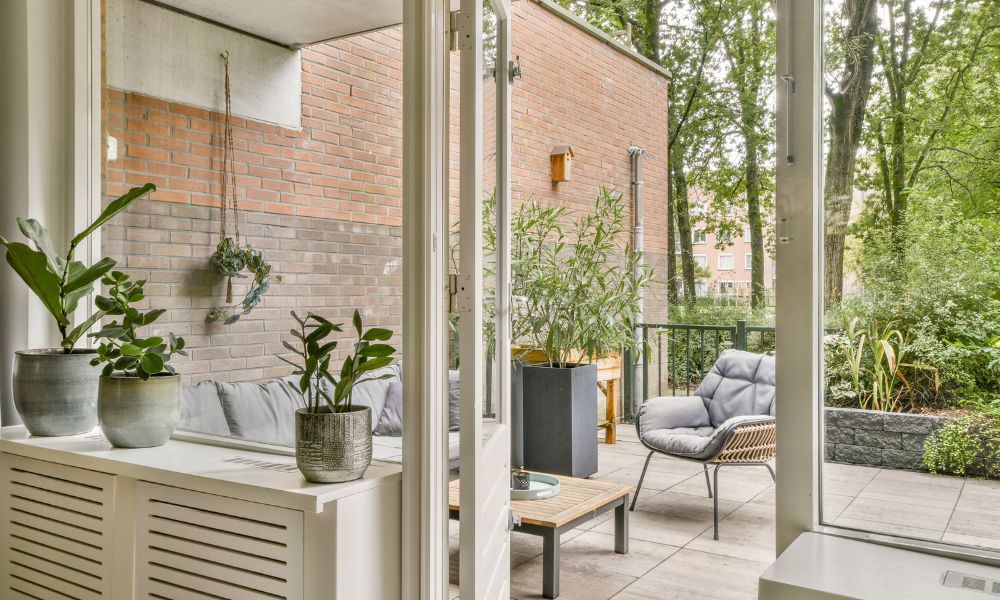
Seamless transitions between interior and exterior spaces are a defining feature of contemporary landscape design. Retractable walls, sliding glass doors, and unified flooring materials extend living areas into the backyard, allowing families to enjoy the outdoors as an extension of their home year-round. Even adding a well-designed patio or outdoor lounge adjacent to the living room can foster a more flexible, enjoyable atmosphere for dining, entertaining, or working from home. Strategic plantings and architectural features, such as pergolas and shaded walkways, bridge the gap between these environments while providing privacy and comfort.
In regions with distinct seasonal shifts, homeowners are investing in features that allow for year-round enjoyment of outdoor spaces. This includes sheltered outdoor rooms with retractable screens, overhead heating, and integrated sound or lighting systems that transform patios into multi-season escapes. Use of similar color palettes and materials both inside and out further blurs the boundary between the two, making interiors feel roomier and more closely connected to nature. Thoughtful design ensures that outdoor living spaces accommodate a range of activities, from reading nooks to alfresco dining areas, while large windows and glass doors maximize natural light and garden views within the home.
Native Plantings
Planting locally adapted species benefits both homeowners and native ecosystems. Native plants often require less water, fertilizer, and overall care, making them an ideal choice for those seeking a low-maintenance landscape that will thrive naturally. In California, for instance, many residents are shifting from manicured lawns to native grasses, succulents, and flowering perennials that support local pollinators while minimizing resource needs. Blending native species with ornamental shrubs or trees can create beautiful, biodiverse habitats that resist pests and local weather extremes. Over time, these landscapes foster ecological resilience and support regional conservation efforts.
Embracing native plantings is also key to gardening with climate change in mind. As weather patterns become less predictable, hardy, well-adapted regional varieties offer resilience to drought, heat, and pests. Educational workshops hosted by local botanical gardens or extension offices increasingly focus on teaching homeowners how to identify and incorporate the right native species for their area. Native landscaping not only preserves a sense of place but also directly supports soil health, stabilizes slopes, and filters air and water pollutants naturally.
Smart Garden Technology
Technological advances continue to revolutionize the way homeowners approach gardening and landscape care. Smart irrigation systems now tailor watering schedules based on weather data and soil moisture readings, offering unprecedented efficiency. Meanwhile, robotic lawn mowers and wireless lighting put everyday maintenance and ambiance control at your fingertips. Automated plant health sensors can alert homeowners to the need for fertilization, pruning, or additional watering. This technology not only streamlines chores but also provides greater control over plant health and resource consumption, making it ideal for those with busy lifestyles or second homes that need remote oversight.
Emerging innovations in the field are making it easier than ever to monitor microclimates and manage landscapes remotely. From app-controlled vertical gardens in city apartments to real-time pest-monitoring tools in suburban yards, homeowners can now fine-tune soil nutrition, humidity, and irrigation with unprecedented precision. Eco-conscious lighting systems powered by solar energy and LED technology provide beautiful, energy-efficient landscape illumination after dark. Additionally, voice-activated assistants can now be integrated with smart garden ecosystems, responding to commands for watering, accent lighting, or music to create a fully customized outdoor ambiance.
Multifunctional Outdoor Spaces
Modern landscapes serve multiple purposes, with homeowners transforming yards into versatile spaces for gatherings, relaxation, or activities. Features like built-in seating, fire pits, outdoor kitchens, and garden areas ensure flexibility as needs change. Outdoor living zones are increasingly tailored with retractable awnings, privacy screens, and modular furniture, even in small areas like patios or rooftops, creating cozy gardens or meditation spots. Advancements in weatherproofing, sound-dampening, and mood lighting enable personalized, durable, and stylish outdoor spaces that extend the home’s living area, balancing beauty, utility, and sustainability to boost well-being and property value.
Conclusion
Modern landscaping goes beyond enhancing curb appeal by creating outdoor environments that are functional, sustainable, and adaptable to changing lifestyles. From incorporating native plants and water-efficient features to embracing smart technology and designing versatile living spaces, today’s landscaping trends help homeowners make the most of their properties while reducing environmental impact. By thoughtfully combining beauty, practicality, and long-term resilience, homeowners can create landscapes that are easier to maintain, support local ecosystems, and provide comfortable spaces for relaxation and gathering for years to come.