Transforming an untouched piece of land into a $20 million luxury estate might look glamorous from the outside, but behind the scenes, it’s a complex, highly coordinated ballet of planning, engineering, design, and craftsmanship. Buyers often see only the final marble floors, infinity pools, wine cellars, and home theaters—but the real magic begins long before the concrete is poured.
In fact, one of the most pivotal steps happens even before construction: the evaluation and development of the land itself. For large-scale estates and residential projects, developers often rely on specialized teams offering multifamily land development services—a strategic process that ensures land is optimized, compliant, and engineered for long-term stability. Learn how land development is handled by experts like Pape-Dawson Engineers who support complex projects with grading, roadway layout, drainage design, utility planning and more:
From raw dirt to refined luxury, here’s how a dream property truly comes to life.
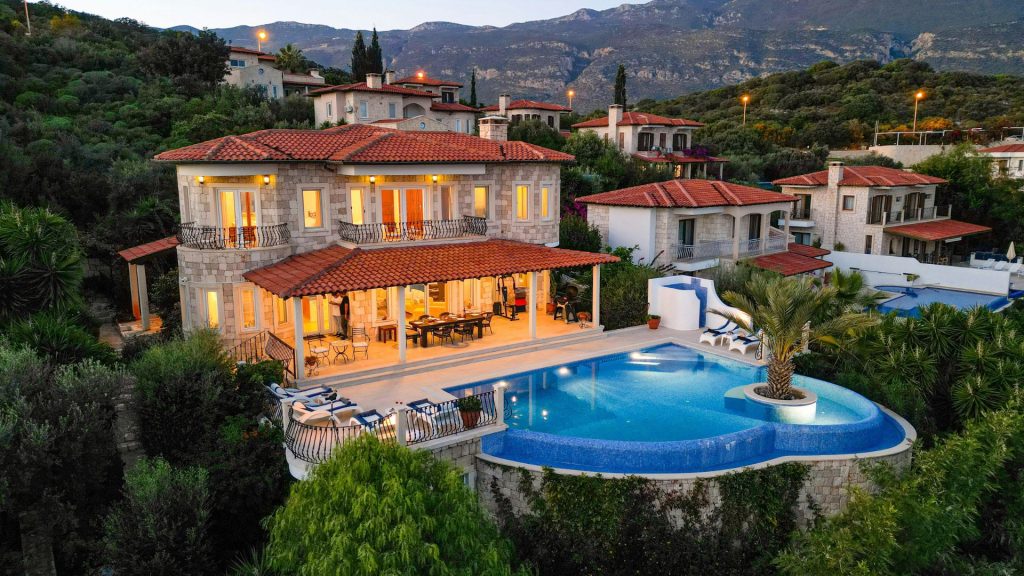
1. It All Starts With Dirt—But Not All Dirt Is Equal
Before designers sketch a single line, developers need to answer one critical question:
Is the land even buildable?
Luxury estates often sit on hillsides, waterfronts, or secluded terrain—beautiful, yes, but complicated. Engineers must examine:
- Soil stability
- Floodplain risks
- Tree preservation requirements
- Easements and boundary restrictions
- Utility connections (water, gas, electricity)
This stage involves geotechnical testing, environmental reviews, and extensive surveying. Skip these steps, and that $20M mansion could become a $20M headache.
2. The Master Plan: Transforming Nature Into Livable Space
Once the land is cleared for development, engineers begin designing how the estate (or community) will fit onto it.
For large properties, this includes:
- Site grading
- Retaining walls
- Access roads and driveways
- Water and sewer infrastructure
- Stormwater drainage systems
- Utility pathways
- Viewpoint optimization
Luxury estates also require strategic elevation planning to maximize views, airflow, and privacy. One wrong Grade elevation can ruin both aesthetics and drainage—so this stage is crucial.
This master planning is where engineering meets creativity, ensuring the mansion isn’t just beautiful, but functional and protected from environmental risks.
3. Permits, Regulations, and Paperwork—Lots of Paperwork
People often assume the design phase is the biggest headache, but in reality, it’s the permitting.
Developers must obtain:
- Zoning approval
- Environmental clearance
- Building permits
- Utility permissions
- Fire and safety approvals
- Roadway access permits
Depending on the land and location, this stage can take months or even years.
And this is where expert land development services prove invaluable—they navigate local regulations, prevent legal issues, and keep the project moving.
4. Designing the Mansion: Where Art Meets Engineering
Only after land development and permitting does the glamorous part begin—architecture and interior design.
Luxury estates typically include:
- Multi-level architecture
- Indoor–outdoor living zones
- 20+ ft ceilings
- Home theaters
- Fitness centers
- Spa rooms
- Multiple kitchens
- Guest houses
- Smart-home technology
- High-end landscaping
Architects work closely with structural engineers to ensure that creative features (glass walls, cantilevers, rooftop gardens) are physically possible.
This stage often includes 3D modeling, virtual walk-throughs, and even drone mapping to visualize the final look.
5. Breaking Ground: The Start of Real Transformation
The first day of excavation is when the vision becomes real. Bulldozers, graders, and excavators reshape the earth according to the site plan.
Key steps include:
- Rough grading
- Excavating for basements and pools
- Trenching for utilities
- Installing drainage systems
- Compacting soil for structural foundations
A solid foundation is the backbone of every mansion—poor preparation can cause shifting, cracking, or drainage issues that cost millions to fix later.
6. The Skeleton of the Mansion Rises
Next comes vertical construction:
- Steel or reinforced concrete frames
- Load-bearing walls
- Roof structures
- Windows and doors
- Waterproofing systems
At this stage, the mansion looks big but bare—a giant “skeleton” awaiting all the features that make it luxurious.
7. Mechanical Marvels: The Hidden Heart of the Home
Before the walls close up, teams install:
- Electrical wiring
- Plumbing systems
- HVAC units
- Smart-home infrastructure
- Security and surveillance
- In-floor heating
- Elevator shafts (in some estates)
This is one of the most intricate phases. A luxury home might have:
- 200+ lighting circuits
- 20+ climate zones
- Fiber-optic networking
- High-capacity water systems
- Hidden speaker networks
The complexity is what gives the estate efficiency, comfort, and modern elegance.
8. Finishes: Where Luxury Comes Alive
Now the mansion finally begins to look like a $20M piece of art.
Artisans and craftsmen apply:
- Imported marble
- Custom cabinetry
- Hand-built staircases
- Designer lighting
- Exotic wood floors
- Floor-to-ceiling glass
- Stonework and tiles
- Luxury fixtures
- Gold or brass accents
This is typically the longest phase—luxury finishes take time, precision, and often, custom manufacturing.
9. Landscaping: Turning the Outdoors Into a Resort
For high-end estates, the landscaping budget alone can exceed $2M to $5M.
Elements include:
- Infinity pools
- Water features
- Outdoor kitchens
- Fire pits
- Garden paths
- Palm trees or mature landscaping
- Sports courts
- Lighting systems
- Privacy walls
This is where a mansion becomes a full lifestyle experience, not just a home.
10. The Final Touches: Inspections, Approvals & Walkthroughs
Once everything is completed, the estate goes through final inspections:
- Structural
- Electrical
- Plumbing
- Energy efficiency
- Fire safety
After passing all checks, the property gets its certificate of occupancy—officially marking the land’s evolution from wilderness to world-class luxury living.
Final Thoughts
Building a $20M mansion is far more than designing a beautiful home—it’s a multidisciplinary effort that begins with engineering, land development, environmental studies, and months of planning long before the walls rise.
Understanding this process gives buyers, investors, and real estate enthusiasts a new appreciation for the behind-the-scenes work that transforms raw land into a breathtaking luxury property.