
Real estate influencer marketing has become a practical way to showcase properties, build local trust, and reach potential buyers through content. Instead of relying only on traditional listings or ads, real estate professionals are increasingly using creators to present homes, neighborhoods, and lifestyles in a more engaging way.
Through platforms like Instagram, TikTok, and YouTube, influencers can highlight properties in real contexts, showing how spaces are used and what it feels like to live in a specific area. This makes the buying process more visual and easier to understand.
What Is Real Estate Influencer Marketing
Real estate influencer marketing involves working with creators to promote properties, locations, and real estate services through content. Instead of traditional advertising, this approach relies on visual storytelling, local relevance, and audience trust to attract potential buyers or renters.
How It Works in the Real Estate Industry
In real estate, influencer marketing is often built around showcasing properties in a natural and engaging way.
- Property showcasing – Influencers create content that highlights the features of a home, apartment, or development. This can include walkthroughs, short tours, or detailed videos.
- Local influencers – Many campaigns focus on creators who are based in a specific city or area. Their audience is more likely to be interested in local properties and neighborhoods.
- Lifestyle-driven content – Instead of presenting a property in isolation, influencers often show how it fits into daily life. This can include nearby amenities, routines, and the overall atmosphere of the location.
Why It’s Different From Other Industries
Real estate influencer marketing has a few key differences compared to other industries.
- Location-based marketing – The value of a property is closely tied to its location. Campaigns often target audiences in specific cities or regions rather than broad demographics.
- High-value transactions – Buying or renting property is a major decision. This means content needs to build trust and provide meaningful context, not just attract attention.
- Visual-first decision process – Buyers rely heavily on visuals when evaluating properties. Photos and videos play a central role, making influencer content a natural fit for this space.
Why Influencer Marketing Works for Real Estate
Influencer marketing fits naturally into real estate because it combines visual content, local relevance, and trust. These elements are important when presenting properties and attracting potential buyers.
Builds Local Trust and Credibility
Working with local influencers helps create a sense of familiarity and trust. Their audience often sees them as a reliable source of information about the area, which makes property recommendations feel more credible.
Showcases Properties in Real Context
Instead of static listings, influencer content shows how a property looks and feels in real-life situations. This helps viewers better understand the space and how it can be used.
Reaches Buyers Through Lifestyle Content
Real estate decisions are often influenced by lifestyle. Influencers present properties alongside everyday activities, neighborhoods, and surroundings, making the content more relatable.
Supports Both Awareness and Lead Generation
Influencer campaigns can increase visibility while also driving direct interest. Content can attract attention at the top of the funnel and encourage inquiries or visits from interested buyers.
Types of Real Estate Influencers
Different types of influencers can support real estate campaigns depending on the property, target audience, and location. The focus is usually on relevance and audience alignment rather than size alone.
Local Lifestyle Influencers – These creators focus on daily life in a specific city or neighborhood. Their content often includes cafes, streets, routines, and local experiences.
- Strong local audience
- Good for showcasing neighborhoods
- Helps position properties within a lifestyle context
Real Estate Agents as Influencers – Some agents build their own audience by sharing listings, market insights, and behind-the-scenes content.
- Direct knowledge of the market
- Educational and property-focused content
- Builds personal brand and credibility
Interior Design and Home Decor Creators – These influencers focus on how spaces look and feel. Their content highlights design, layout, and aesthetics.
- Strong visual presentation
- Ideal for showcasing interiors
- Appeals to buyers interested in design and styling
Luxury and Investment-Focused Creators – This group focuses on high-end properties, real estate investments, and market opportunities.
- Targets higher-value audiences
- Often includes market insights and property analysis
- Suitable for luxury listings and investment-driven campaigns
Choosing the right type of influencer depends on the property and the audience you want to reach.
Best Platforms for Real Estate Influencer Marketing
The choice of platform plays an important role in how real estate content is presented and discovered. Each platform supports different formats and reaches different types of audiences.
Instagram (Visual Listings and Reels)
Instagram is one of the most widely used platforms in real estate marketing.
- Strong focus on visuals
- Reels for short property tours
- Ideal for showcasing interiors and lifestyle
It works well for building a consistent visual presence and sharing regular updates.
TikTok (Short Tours and Viral Content)
TikTok is effective for quick, engaging content that can reach a large audience.
- Short property walkthroughs
- Trend-based and fast-paced videos
- High potential for discovery
This platform is useful for generating awareness and reaching new audiences.
YouTube (Property Tours and Market Insights)
YouTube supports longer and more detailed content.
- Full property tours
- neighborhood and market breakdowns
- educational content for buyers
It is suitable for deeper engagement and providing more context around listings.
Facebook (Local Community Reach)
Facebook remains relevant for local visibility and community engagement.
- local groups and pages
- event promotion and listings
- targeted local audiences
It is often used to reach people within specific locations and support community-driven campaigns.
Using a combination of these platforms can help cover both discovery and deeper engagement, depending on the campaign goals.
Real Estate Influencer Marketing Strategies
There are several ways to use influencer marketing in real estate, each focused on presenting properties and locations more effectively.
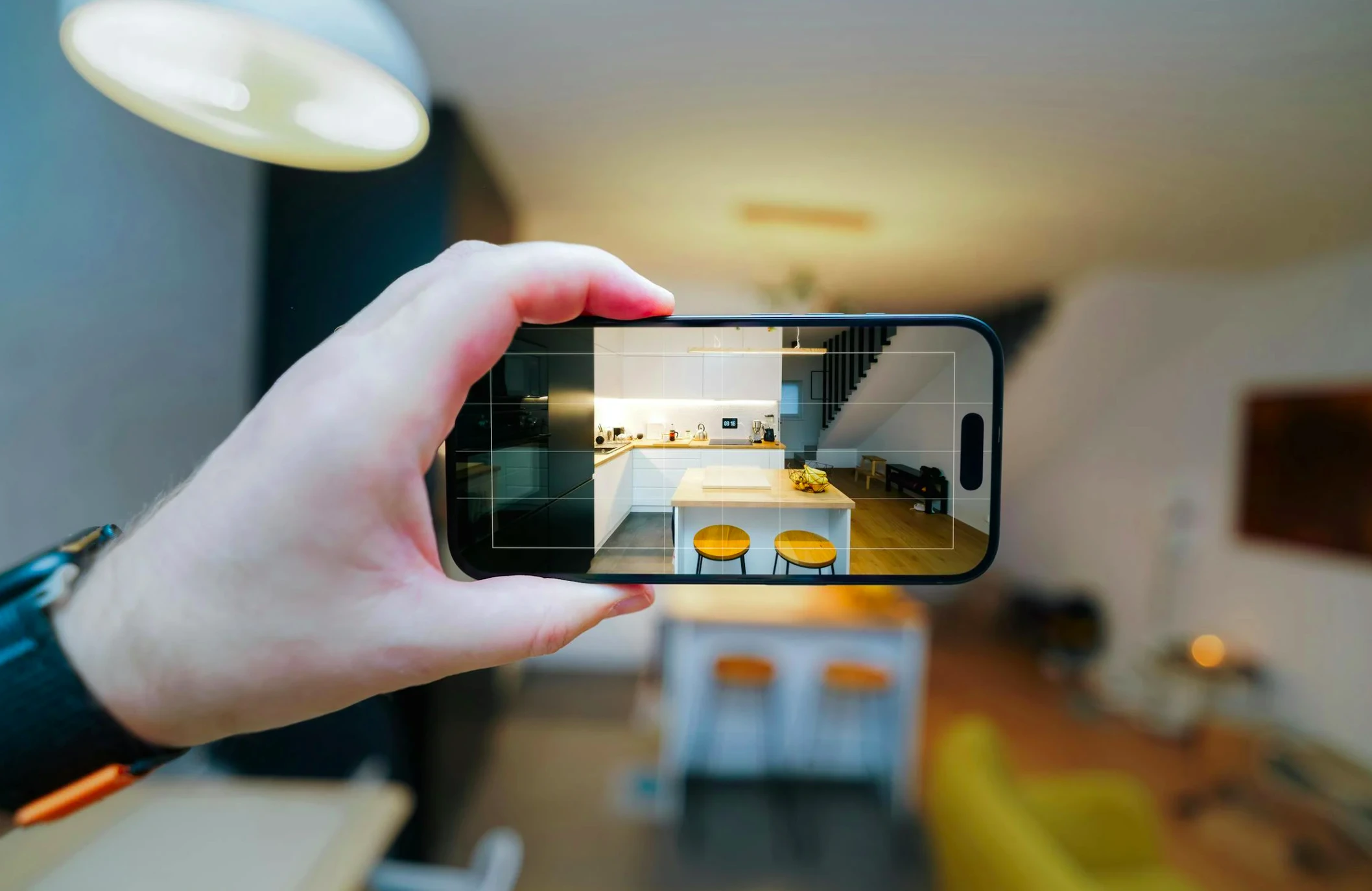
Property Showcases and Walkthroughs
One of the most common approaches is having influencers present properties through videos or guided tours. This allows viewers to see layouts, details, and features in a more natural way than static listings.
“Day in the Life” Local Lifestyle Content
Instead of focusing only on the property, influencers show what daily life looks like in the area. This can include routines, nearby spots, and how the location fits into everyday living.
Neighborhood and Area Highlights
Content that focuses on the surrounding area helps provide context. Influencers can highlight amenities, transport, schools, or general atmosphere, which are often key factors in decision-making.
Educational Content (Buying, Investing, Renting)
Some creators focus on explaining the real estate process. This can include tips for first-time buyers, investment insights, or renting advice, making the content useful and informative.
Event-Based and Launch Campaigns
Influencers can also be involved in property launches, open houses, or special events. Sharing these moments helps generate attention and create a sense of activity around a listing.
Using a mix of these strategies allows campaigns to cover both awareness and deeper engagement, depending on the type of property and target audience.
How to Find the Right Real Estate Influencers
Finding the right influencers is an important step in any real estate campaign. The goal is not just to work with creators who have large audiences, but to identify those who are relevant to your location, property type, and target buyers. A structured approach helps ensure better alignment and more effective results.
Searching Local Creators on Social Media
Start by identifying creators who are already active in your target area. Platforms like Instagram, TikTok, and YouTube allow you to search by location or explore content tied to specific cities.
Look for creators who:
- regularly post about the local area
- feature places, neighborhoods, or properties
- have an audience that appears location-relevant
Local presence is often more important than overall reach in real estate.
Using Hashtags and Location Tags
Hashtags and geotags are useful for discovering content tied to a specific place. Searching location-based hashtags or browsing posts from a city can reveal influencers who are already creating relevant content.
Examples include:
- city-specific hashtags
- neighborhood tags
- real estate or lifestyle tags related to the area
This approach helps surface creators who are already aligned with your target location.
Evaluating Audience and Engagement
After identifying potential influencers, it is important to review their audience and engagement.
Focus on:
- the quality and relevance of comments
- consistency in engagement across posts
- whether the audience matches your target buyers
An influencer with a smaller but relevant and active audience is often more effective than one with a larger but less engaged following.
Using Influencer Discovery Platforms
Instead of relying only on manual search, many real estate teams use platforms to find and hire influencers more efficiently. These tools allow you to filter creators by location, niche, and audience demographics, making it easier to match influencers with specific properties or target buyers.
With platforms, you can discover relevant creators, review their audience insights, and manage collaborations in a more structured way.
How Much Does Real Estate Influencer Marketing Cost
The cost of real estate influencer marketing can vary depending on the type of influencer, location, and campaign scope. Unlike fixed advertising channels, pricing is flexible and often influenced by audience relevance, content format, and expected outcomes.
Pricing by Influencer Type
Costs typically vary based on the type of influencer and their audience.
- Local lifestyle influencers: Often more affordable and highly relevant for location-based campaigns
- Micro influencers: Moderate pricing with strong engagement and niche audiences
- Macro influencers: Higher cost with broader reach, often used for visibility
- Specialized creators (real estate, design, luxury): Pricing depends on expertise and audience quality rather than size alone
In real estate, local relevance often matters more than follower count.
Cost Per Campaign vs Long-Term Partnerships
Pricing can be structured per campaign or through ongoing collaborations.
- One-time campaigns: Useful for property launches or specific listings
- Long-term partnerships: More consistent exposure and stronger audience trust over time
Long-term collaborations are often more effective for building credibility and maintaining visibility.
Local vs National Campaign Costs
Costs also depend on whether the campaign targets a local or broader audience.
- Local campaigns: Usually more affordable and focused on a specific area
- National campaigns: Higher cost due to wider reach and broader audience targeting
Most real estate campaigns benefit from a local approach, where the audience is more likely to take action.
Evaluating cost should always include audience relevance, content quality, and potential results rather than focusing only on price.
How to Measure Results and ROI
Measuring results in real estate influencer marketing requires looking at both engagement and actual interest in properties. Since real estate decisions take time, performance should be evaluated across multiple touchpoints, not just immediate outcomes.
Leads and Inquiries
One of the most direct indicators of success is the number of inquiries generated.
This can include:
- messages about a property
- form submissions
- requests for viewings
These actions show clear intent from potential buyers or renters.
Property Views and Engagement
Engagement helps measure how much attention the content is generating.
Key signals include:
- video views and watch time
- likes, comments, and shares
- saves or repeated views
High engagement often indicates strong interest, even if conversions happen later.
Website Traffic and Conversions
Tracking traffic from influencer content helps connect campaigns to measurable actions.
This includes:
- visits to property pages
- time spent on listings
- conversions such as signups or inquiries
Using tracking links or dedicated landing pages can help measure this more accurately.
Brand Awareness and Local Reach
Not all results are immediate. Influencer campaigns also contribute to long-term visibility.
This can include:
- increased recognition in a specific area
- more direct searches for your brand
- stronger presence in local conversations
These effects often support future conversions, even if they are not immediate.
Common Mistakes in Real Estate Influencer Marketing
Even when the approach is clear, certain mistakes can reduce the effectiveness of campaigns. Being aware of these helps avoid wasted effort and improve results.
Choosing Influencers Without Local Relevance – Real estate is highly location-driven. Working with influencers who do not have a relevant local audience often leads to low engagement and limited results.
Overly Promotional Content – Content that feels too much like an advertisement tends to perform worse. Influencer content works best when it feels natural and aligned with the creator’s usual style.
Ignoring Content Quality – Poor visuals or unclear presentation can reduce interest, even if the property itself is strong. High-quality photos and videos are essential in real estate.
Not Tracking Results – Without tracking performance, it is difficult to understand what is working. This makes it harder to improve future campaigns or justify investment.
Avoiding these common mistakes can make influencer marketing more effective and help create more consistent results over time.
Conclusion
Real estate influencer marketing offers a practical way to present properties, build local trust, and connect with potential buyers through content. By combining visual storytelling with local relevance, it helps make properties easier to understand and more engaging to explore.
The most effective campaigns focus on the right mix of creators, platforms, and content styles. Instead of relying only on reach, success often comes from working with influencers who understand the local market and can present properties in a natural and relatable way.