Key Takeaways
- Regular HVAC maintenance improves energy efficiency, reducing operational costs and utility expenses
- Preventive servicing extends the lifespan of commercial HVAC systems and delays costly replacements
- Proper HVAC care significantly improves indoor air quality and supports employee health and productivity
- Routine inspections help prevent unexpected system breakdowns and reduce business downtime
- Maintenance programs lower long-term repair costs by addressing small issues before they escalate
- HVAC upkeep supports compliance with health, safety, and ventilation regulations
- A proactive maintenance strategy enhances overall business performance, reliability, and workplace comfort
Introduction
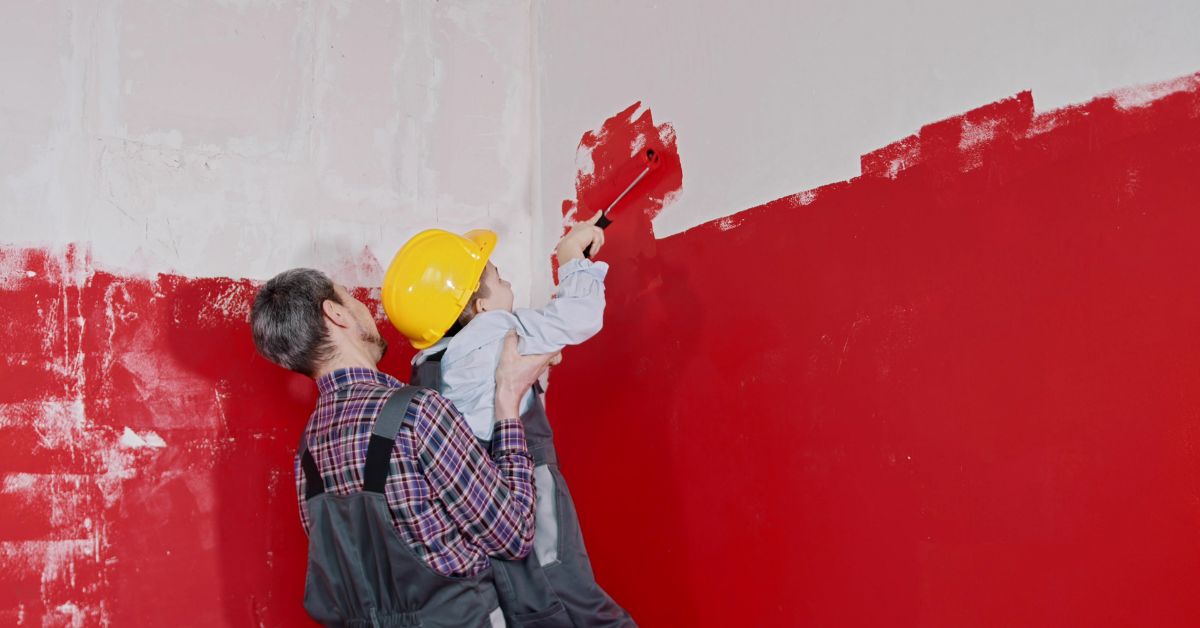
Commercial building maintenance extends far beyond creating an appealing facade. In fact, strategic measures like routine painting are fundamental for several reasons. High-quality paint protects a structure from the ravages of weather, helps ensure safety, and is a critical driver in preserving the property’s investment value. Click here to discover how professional painting services can help fortify your building against the damaging effects of time and the elements.
From boosting curb appeal to safeguarding structural strength, commercial painting should always be a central aspect of facility maintenance strategies. The layers of protection that paint offers can save building owners significant money and headaches in the future by reducing wear, maintaining compliance, and supporting a welcoming business environment.
Shielding Against Environmental Elements
Each day, commercial buildings face harsh weather conditions, including blazing sunlight, heavy rains, snow, and wind-driven debris. Exposing exterior surfaces to these elements without protection can lead to rapid deterioration of walls, doors, windows, and other surfaces. Paint serves as a barrier that blocks moisture and UV rays, two of the biggest culprits behind damage like wood rot, corrosion, and crumbling concrete. By sealing pores and joints, paint deters water infiltration and minimizes the expansion and contraction that can weaken construction materials over time.
Consistently repainting ensures that this protective layer remains intact and effective. Property managers who prioritize regular touch-ups or full repaints ultimately save on major restoration costs by warding off the sort of damage often cited in building failure case studies by resources such as Buildings.com.
Enhancing Structural Integrity
While fresh paint adds beauty, it also enhances the building’s resilience. Specialty coatings, for instance, help seal masonry, seal microcracks, and prevent water from reaching sensitive substrates. This moisture retention is critical for preventing issues such as efflorescence, cracking, and eventual spalling of brick or stonework. Consistent painting can even extend the lifespan of steel elements by inhibiting rust and corrosion. A proactive approach to painting is essentially preventive maintenance, reducing the frequency and severity of repairs down the road. According to research published by the U.S. General Services Administration, appropriate coatings can add years to structural service life.
Maintaining Property Value and Curb Appeal
Paint is one of the most cost-effective ways to influence how a building is perceived. A well-maintained exterior sets the tone for professionalism, great service, and high standards, conveying to tenants, clients, and investors that the property is well cared for. This, in turn, elevates demand and market value, which can translate into higher rental rates and reduced vacancy. If a property’s appearance is neglected, it can turn off potential tenants and reduce perceived value, even when the building’s structure is sound.
Moreover, updating a building’s color scheme or maintaining a consistent brand image through exterior painting supports marketing efforts. Commercial spaces often serve as visual representations of a business or organization, and a vibrant, freshly painted building can serve as a highly visible advertisement. This helps to naturally guide prospective tenants and customers to the property, ultimately making it easier to keep the building fully leased or occupied. Beyond the initial impression, ongoing paint maintenance reassures current tenants and employees about the owner’s commitment to upkeep, fostering loyalty and promoting longer leases or employment tenures.
Supporting Safety and Compliance
For many industries, safety features are not just advisable but mandatory. Well-applied, high-visibility paints can demarcate hazardous areas, help with crowd control, and guide both foot and vehicle traffic smoothly. Special coatings prevent slips or make emergency exits stand out in industrial facilities and warehouses. Keeping all surfaces clean and freshly painted helps ensure compliance with local, state, and federal regulations that govern workplace and public safety.
Additionally, regular painting can reveal issues that might otherwise be overlooked, such as cracks, mold, or damage that could compromise safety or legal compliance. These routine inspections conducted during repainting can be essential for early detection and prompt repair, thus mitigating risk and potential liability. Maintaining visible safety striping, ADA-compliant signage, and clearly marked exits demonstrates a commitment to both legal standards and genuine occupant care.
Reducing Long-Term Maintenance Costs
Over time, the protective qualities of commercial-grade paint significantly reduce maintenance expenses. By preventing deterioration in the first place, paint reduces the need for intensive repairs, structural overhauls, or even replacement of building elements caused by unchecked water or UV damage. Durable paint products also require fewer touch-ups, meaning less frequent disruption for businesses operating in the premises and more predictable, manageable maintenance budgets.
In fact, by routinely investing in painting, building owners can implement more effective, scheduled maintenance cycles. Instead of responding to problems as they appear, regular painting allows facility managers to budget for upkeep and prioritize improvements proactively. This approach minimizes the costly impact of emergencies and supports the longevity of key building components, creating enduring value for all stakeholders.
Improving Energy Efficiency
Innovations in paint technology have introduced highly reflective coatings that help deflect heat from building envelopes. In hot climates, applying such coatings to roofs and exterior walls can reduce interior cooling costs by up to 15 to 20 percent, as documented by the U.S. Department of Energy. By keeping interior temperatures lower, buildings reduce air conditioning demand, which benefits operating expenses and aligns with sustainability goals.
Additionally, some specialty paints provide insulation properties appropriate for both colder and hotter climates. These advanced products can reduce thermal transfer, helping interiors remain cooler in summer and warmer in winter. As a result, year-round heating and cooling operational costs are optimized, reducing environmental impact and enhancing comfort for building occupants. Facility owners who have invested in LEED certification or other green building standards will find these technological advancements particularly advantageous for meeting efficiency criteria.
Final Thoughts
Well-planned commercial painting routines serve many critical purposes: they create a strong first impression, shield against environmental damage, support structural health, and help maintain compliance. Paint is a cost-effective investment with both short- and long-term benefits, ranging from fewer repairs to improved energy performance and increased property value. For property owners and managers, prioritizing painting is an essential part of any robust maintenance strategy to ensure their buildings stand the test of time.
In summary, commercial painting is more than just surface-level aesthetics. It works as a silent but vigilant guardian of property value, safety, and efficiency, providing steady protection against unforeseen damages caused by climate, time, and neglect. Taking a proactive stance toward painting is, therefore, a wise business decision and a central aspect of sustainable building management. Whether managing a single storefront or an expansive industrial complex, the transformative role of professional painting should never be underestimated.