Living on the coast brings unmatched views and the soothing sound of waves. But the environment that makes a beach house so special tries to tear it down. Salt air, high winds, and intense sun can ruin a standard home in just a few years. Protecting your investment requires choosing materials that can handle constant salt spray and humidity.
The Impact Of Salt Air On Home Materials
Salt does more than just make the air smell like the ocean. It reacts with common building materials and speeds up the process of decay.
Most people notice rust on their cars first, but the same thing happens to your house. Research from a major university library explains that salt lowers the freezing point of water and makes freeze-thaw cycles happen more often.
Standard wood and cheap metals struggle in these conditions. The salt enters small cracks and expands as it dries. Since the air is always damp, the salt never truly leaves the surface of your home. You need a shell that can withstand this chemical and physical assault 24/7.
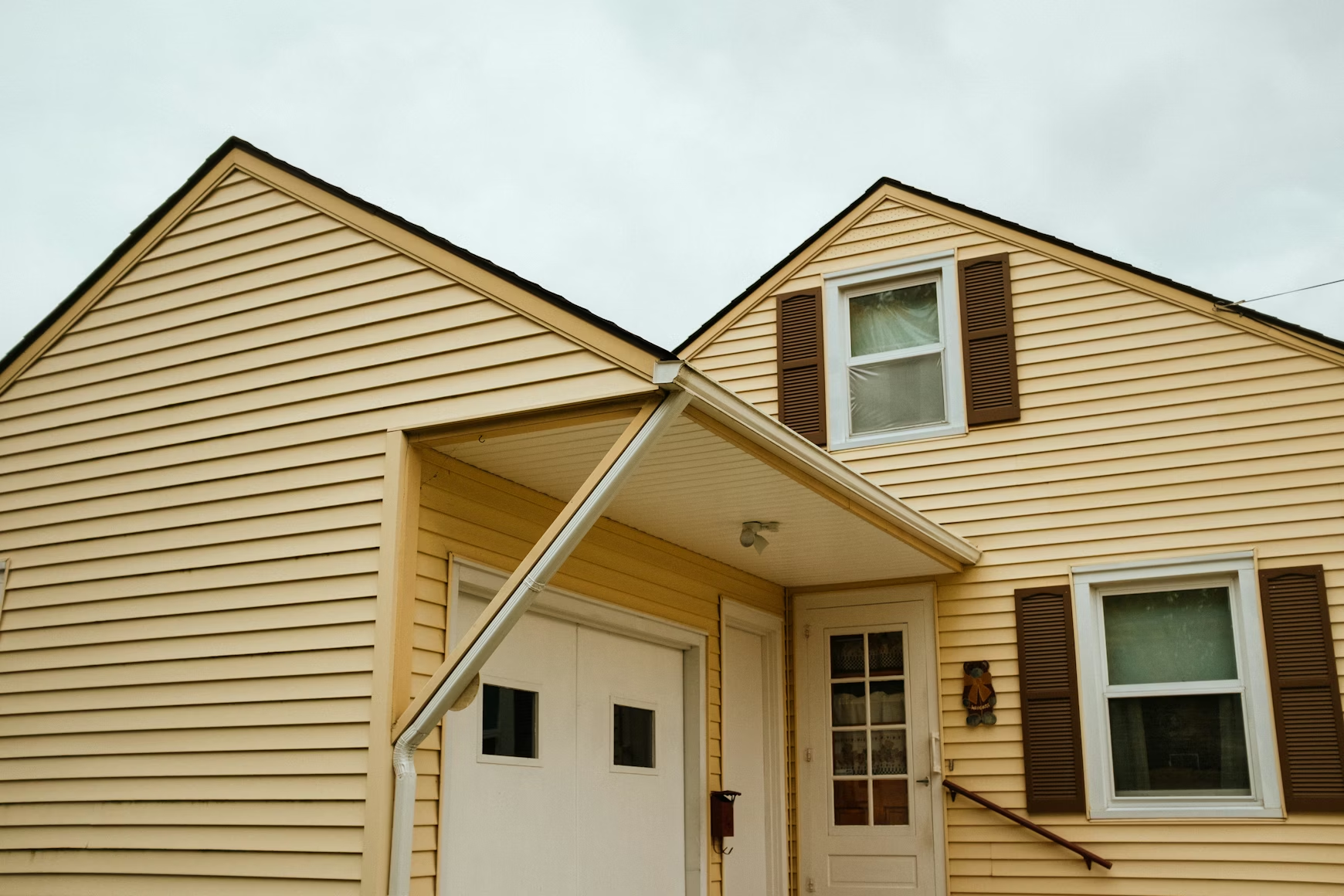
Fiber Cement Siding For High Humidity Areas
Living near the ocean means dealing with water every single day. Professional roofers from https://heartlandroofingandsiding.com/ say that picking the right material stops rot before it starts. This choice keeps the structure dry and safe from the elements. Fiber cement is a top pick for this task.
A state news organization mentioned that cement siding gives a house a fighting chance against extreme weather.
It does not warp when it gets wet. It does not serve as food for insects like termites. Choosing this material means you spend less time painting and more time enjoying the beach.
Understanding Structural Protection Levels
Building a home to a higher standard pays off during storm season. Not all construction is equal when it comes to durability. A non-profit safety organization describes three levels of home protection that address different parts of the structure.
These levels focus on the roof, the windows, and the siding to create a total shield. Starting with the basics and moving up to a higher gold standard helps your home survive a hurricane.
Focusing on the exterior envelope is the first step. If the wind cannot get inside the house, the roof stays on. These standards help builders identify where a house is most likely to fail. Using the right fasteners and materials makes the whole building move as one unit.
Choosing Materials For Wind And Water Resistance
Windy days are a given when you live on the shore. Strong gusts can pick up sand and debris, turning them into tiny projectiles.
You need siding that is thick enough to take a hit without cracking. An industry association notes that materials like masonry, stucco, and fiber cement are central to creating resilient homes.
- Masonry provides a thick wall that blocks both wind and noise.
- Stucco offers a seamless finish that prevents water from finding a way in.
- Fiber cement mimics the look of traditional siding with much more strength.
- Stone veneers add a natural look and protect the foundation.
These materials do not just look good. They provide a physical weight that helps the house feel solid when the wind howls. Investing in these heavy materials helps your home maintain its value over many decades.
Managing Water In Concrete And Masonry
Concrete is a staple in coastal building, but it has a hidden weakness. It is naturally porous and can soak up salt water like a sponge. Researchers at a transportation institute found that the permeability of a concrete mix affects how well it resists salt and chemicals.
If salt gets inside the concrete, it can reach the steel bars that hold the structure together. Once that steel rusts, it expands and cracks the concrete from the inside out.
Protecting your concrete elements involves using high-quality sealants. These coatings fill the tiny pores so water cannot enter. You should check for small cracks every spring.
Fixing a small crack today prevents a massive structural problem five years from now. Keeping the salt out of the core of your building is the secret to a long-lasting beach house.
Upgrading to Impact-Resistant Features
The cost of a storm is often higher than the cost of better materials. Insurance data shows that houses built to higher safety standards perform at least 50% better than standard homes.
Spending a bit more upfront saves thousands of dollars in repairs later. Impact-resistant siding and roofing act as an insurance policy you can see.
Modern materials are engineered to bend without breaking. They use advanced polymers and fibers to handle the pressure of high winds.
This technology has improved a lot in the last 10 years. You can now get the look of cedar shakes or traditional lap siding with the strength of a modern composite.
Cost Of Maintaining Exterior Surfaces
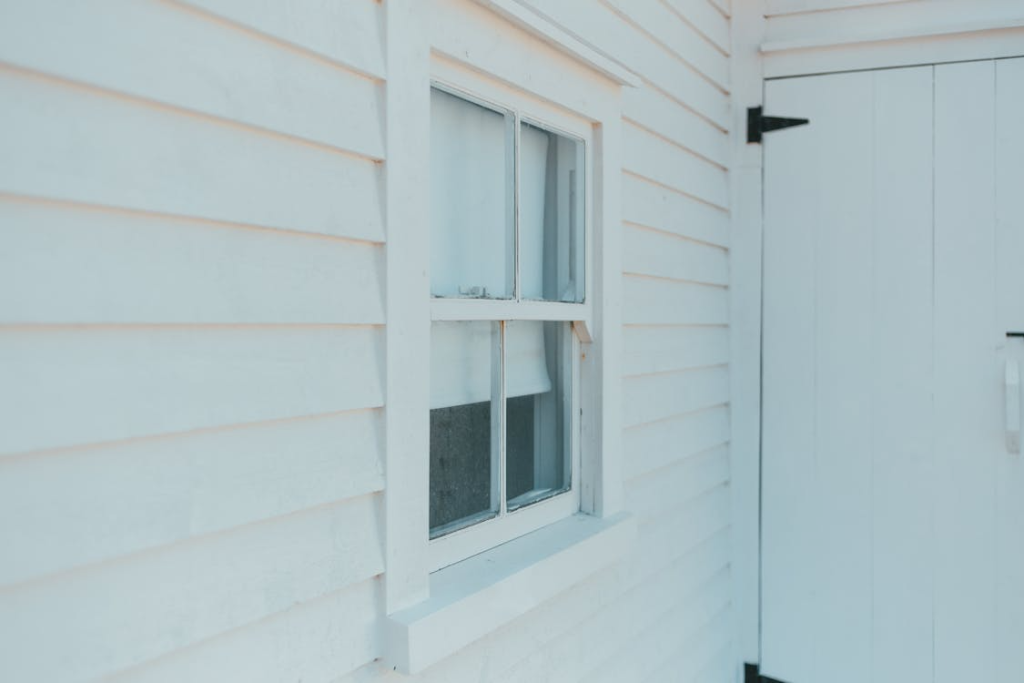
Maintenance is a hidden cost that every homeowner should plan for. Wood siding might look great at first, but the upkeep is constant.
A city budget report estimated that replacing deteriorating wood siding on just two small buildings could cost $100,000. For a homeowner, this translates to thousands of dollars in paint and repairs every few years. The salt air eats through wood finishes much faster than the sun does.
- Vinyl siding is cheap but can crack in high winds.
- Wood requires painting every 2 to 4 years near the ocean.
- Fiber cement holds paint for 15 years or more.
- Metal siding needs special coatings to prevent rust.
A national infrastructure report highlights that new corrosion-resistant steel and coatings provide cost-effective ways to extend the life of a building.
These innovations help keep water away from the metal. Using these advanced coatings on your hardware and siding fasteners is a smart move. It prevents those ugly rust streaks that often appear under windows and doors.
Keeping your beach home in top shape does not have to be a full-time job. It starts with a smart plan and the right materials for the environment. By focusing on water resistance and structural strength, you create a sanctuary that lasts.
The ocean is a powerful force, but your home can be stronger. Enjoy the salt air and the sun, knowing your house is built to handle whatever the coast throws its way.