Table of Contents
- Benefits of Epoxy Floor Coatings
- Debunking Common Myths
- Conclusion
Epoxy floor coatings have become increasingly popular due to their strength, versatility, and design possibilities. Both homeowners and businesses are turning to epoxy for its combination of long-lasting performance and attractive finishes. For those considering an epoxy floor coating installation in Salt Lake City Utah, or elsewhere, understanding how epoxy works and what it truly offers is key. Unfortunately, there are several myths about epoxy flooring that can leave property owners unsure whether this is the right choice for their needs.
This article explores the true benefits of epoxy floor coatings and tackles the most persistent misconceptions. By debunking these common myths, readers will gain a clearer sense of why epoxy floors are renowned for their resilience, ease of maintenance, and visual appeal.
Benefits of Epoxy Floor Coatings
Exceptional Durability and Longevity
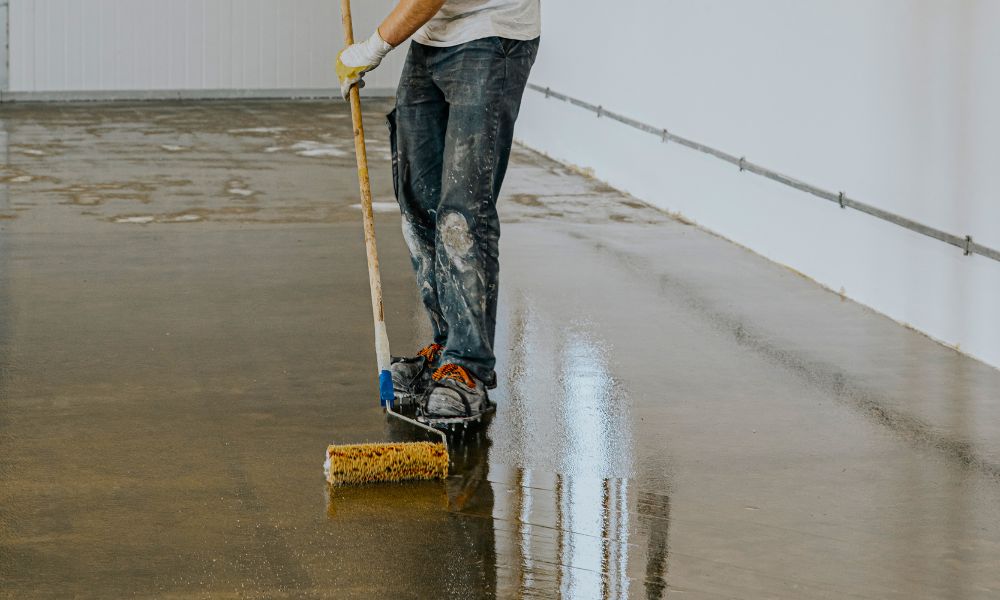
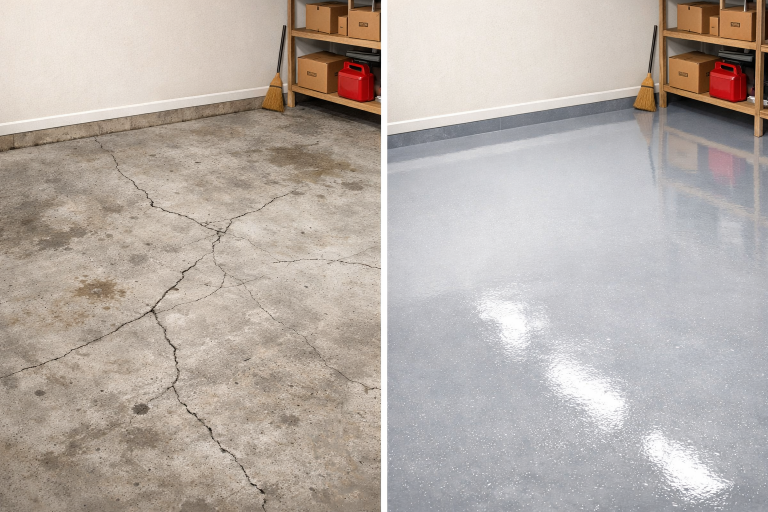
One of the greatest strengths of epoxy coatings is their robust durability. When properly installed, epoxy creates a tough, abrasion-, impact-, and heavy-traffic-resistant surface. Unlike plain concrete, which can chip or crack over time, an epoxy-coated floor can last well over a decade with only basic maintenance. This makes epoxy an attractive, long-term investment for garages, warehouses, and high-traffic residential areas. Research has shown that epoxy-coated floors can withstand significant mechanical and chemical challenges, making them ideal for commercial and industrial settings as well as homes. ForConstructionPros.com offers additional insight into concrete and epoxy longevity strategies.
Enhanced Chemical and Stain Resistance
Epoxy’s non-porous structure forms a barrier that is highly resistant to chemicals, oils, grease, and stains. This is particularly important in environments such as garages, auto shops, and industrial facilities, where spills are common. The resistance to staining not only preserves the floor’s appearance but also extends its functional lifespan, as harmful substances cannot seep into or degrade the material.
Improved Aesthetics
Epoxy coatings are available in a wide range of colors, finishes, and effects, including high-gloss, matte, metallic, and decorative flake options. This variety allows property owners to customize their floors to complement any interior style or branding requirement. The result is a seamless, modern-looking surface that elevates the space’s overall appearance and can even boost property value. Many design professionals recommend epoxy flooring for its ability to transform utilitarian spaces into visually appealing showpieces.
Easy Maintenance
Another significant advantage of epoxy flooring is its ease of cleaning. The smooth, seamless surface does not harbor dust, dirt, or bacteria, making routine cleaning as simple as sweeping or mopping. This level of cleanliness and hygiene is especially desirable in settings such as hospitals, kitchens, and daycare centers. Maintenance costs are low since the surface does not require waxing or special treatments. According to Architectural Digest, durable floors like epoxy can simplify upkeep for busy households and demanding businesses.
Debunking Common Myths
Myth 1: Epoxy Floors Are Slippery
It is a common misconception that epoxy floors are inherently slippery due to their glossy appearance. In fact, while the standard finish can be slick, texture-enhancing additives such as silica sand or polymer grit can be mixed into the top layer during installation. This added traction makes epoxy floors safe for residential applications, commercial kitchens, and even public spaces where slip resistance is a top priority.
Myth 2: Epoxy Is Just Paint
Epoxy floors differ fundamentally from simple floor paints. Floor paints merely coat the surface and can peel or wear away quickly. Epoxy, on the other hand, is a thermosetting resin that, once mixed and applied, undergoes a chemical reaction. This process forms a strong, plastic-like material bonded firmly to the substrate below, offering much greater strength, longevity, and protective qualities than paint ever could.
Myth 3: Epoxy Floors Are Only for Industrial Use
Although epoxy has become well-established in factories and warehouses, its uses now extend to residential and commercial spaces. Homeowners frequently install epoxy flooring in garages, basements, laundry rooms, and even kitchens and living rooms. The ability to customize the look and add safety features means epoxy’s applications range far beyond industrial sites and are well-suited to modern homes and offices.
Myth 4: Epoxy Floors Are Expensive
While installing an epoxy floor can cost more upfront than some basic alternatives, such as vinyl or painted concrete, the long-term savings are substantial. Epoxy’s resilience, low maintenance requirements, and long lifespan result in significantly lower long-term costs. When considering the total cost of ownership, many property owners find epoxy to be more economical than options that require frequent repairs or replacement.
Conclusion
Epoxy floor coatings offer a practical, attractive flooring solution for both residential and commercial properties. Known for their exceptional durability, these surfaces resist stains, chemicals, moisture, and heavy wear, making them ideal for garages, warehouses, kitchens, and high-traffic areas. Their smooth finish also simplifies cleaning and long-term maintenance while enhancing the overall appearance of a space. As interest in low-maintenance, visually appealing flooring grows, epoxy continues to gain popularity among property owners. Understanding the true benefits and limitations of epoxy flooring helps consumers make informed decisions that align with their performance expectations and design preferences.