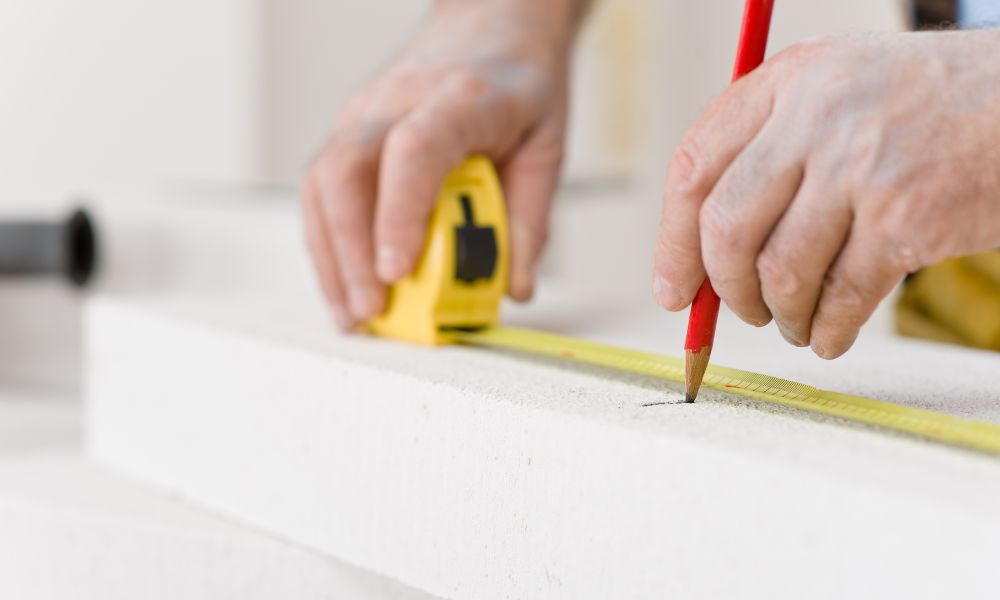
Home improvement projects are a popular way for homeowners to enhance comfort, increase property value, and personalize their living spaces. Whether it involves remodeling a kitchen, installing new flooring, building a deck, or upgrading electrical systems, these projects can transform a home for the better. However, home improvements also introduce potential safety risks that can lead to serious accidents and injuries if proper precautions are not taken.
While many homeowners focus on the aesthetic and financial benefits of renovations, it is equally important to understand the responsibilities involved in maintaining a safe work environment. Accidents occurring during or after home improvement projects can result in medical expenses, property damage, and legal complications. Understanding how these incidents happen and who may be responsible can help homeowners, contractors, and visitors stay protected.
Why Improving Your Home Can Be Destructive
Even minor house improvement jobs can become dangerous situations. Tools, wires, unstable constructions, ladders, and construction materials all pose a danger. If there are many contractors and workers involved in such a project, the chance of an accident becomes much higher.
Those homeowners who prefer to do-it-yourself can fail to recognize their inability to perform some of the jobs safely. Without sufficient training and equipment, they can easily fall down, sustain a burn, cut themselves or get electrocuted.
The zones of construction on any property may become hazardous not only for workers but also for the people who live there or visit.
Common Types of Home Improvement Accidents
Injuries related to falls still belong to the most common types of accidents in home improvement projects. People can get injured when falling from ladders, scaffolding, roofs, and stairs. Unstable floor surfaces, debris, and insecure equipment can be responsible for slip and fall accidents as well.
Electricity accidents can also cause harm. When dealing with wiring systems, homeowners and constructors are at risk of getting a shock, burning or catching fire due to unsafe actions. Moreover, improper installation of electrical devices can pose certain threats which will not be revealed until an accident takes place.
Power tools often become sources of injuries as well. Using such devices improperly people can suffer from cuts, puncture wounds and even lose body parts. It is also possible that a device is faulty or a person did not receive enough training in using it.
Being exposed to dangerous chemicals poses another threat in home improvement projects. Some older houses can have such materials as asbestos, lead paint or mold, which requires special measures to be taken in order to prevent an accident.
Identifying Liability after an Accident
Perhaps one of the most difficult issues that arise in the aftermath of home improvement accidents is how to identify who is responsible. Liability will depend on the circumstances of the accident and the people involved.
There is an overall duty for homeowners to ensure that the premises are safe enough for others who are likely to be there. The homeowner will likely be responsible if they knew of any hazards present but failed to fix them or warn other people of them.
Contractors also carry a lot of responsibility in home improvement accidents. They are supposed to follow safety practices in the construction business and building codes. When the negligence of the contractor causes an accident, the contractor and their company could be responsible.
The manufacturers and suppliers of the products used during home improvement could also be at fault. There are many instances in which the use of a faulty piece of equipment like ladders, power tools or materials leads to injury.
Due to the involvement of many different parties, investigations will need to be conducted in order to establish responsibility levels.
The Importance of Hiring Qualified Contractors
Choosing the right, qualified, and duly licensed contractor can eliminate many risks of accidents. Experts who work in the field know local construction codes, safety rules, and how to manage construction sites.
Firstly, it is necessary to verify whether the potential contractor is duly licensed and has insurance before hiring him or her. Insurance plays a critical role since it will provide you with financial protection if something goes wrong during the process.
Effective communication with the hired person is very important. By setting expectations about safety measures, deadlines, and how the job should be managed, you can avoid misunderstandings that might be dangerous.
A decent contractor will make sure that everything is done safely from the very beginning.
Safety Measures That Reduce Risks
Creating a safe work environment requires ongoing attention throughout a renovation project. Proper use of personal protective equipment, including hard hats, gloves, eye protection, and safety harnesses, can significantly reduce the likelihood of injuries.
Work areas should remain organized and free of unnecessary clutter. Construction materials, tools, and debris should be stored properly to minimize trip hazards. Temporary barriers and warning signs can help prevent unauthorized individuals from entering hazardous areas.
Electrical systems should always be handled by qualified professionals. Turning off power sources before performing electrical work and following established safety procedures can help prevent serious injuries.
Regular inspections are equally important. Identifying potential hazards early allows homeowners and contractors to correct problems before accidents occur. According to Harrell and Harrell, maintaining safe premises and addressing hazardous conditions promptly can play a significant role in reducing the likelihood of injury-related incidents.
Legal Aspects Arising from Home Improvement Accidents
In cases where accidents happen when improving one’s home, there may be other problems apart from just seeking medical attention for the injured person. Lost income, costs of rehabilitation, and future limitations caused by physical disabilities may also come into play.
The identification of fault is one of the most important aspects when claiming compensation for the injury. Photos, statements from witnesses, any contract agreements, maintenance records, and inspection reports can prove helpful in determining what led to the accident and whose fault it was.
Policies of insurance could also affect how the case is handled. Homeowners’ insurance, contractor liability insurance, or even workers’ compensation could play a part depending on the situation.
Involving construction related accidents being complicated in legal matters, many people seek expert help.
Preventing Future Incidents
The most effective way to address home improvement accidents is to prevent them from occurring in the first place. Safety should never be treated as an afterthought during a renovation project. Careful planning, proper training, routine inspections, and compliance with safety standards can greatly reduce the risk of injuries.
Homeowners should remain actively involved in monitoring project conditions and addressing concerns as they arise. Contractors should foster a culture of safety that encourages workers to identify hazards and follow established procedures.
When everyone involved prioritizes safety, home improvement projects can proceed more efficiently while minimizing the likelihood of costly and potentially life-altering accidents.