Is Double Glazing a Worthwhile Investment for UK Homeowners?
Home improvements often require careful financial planning, particularly when they involve replacing important features such as windows and doors. For many UK homeowners, double glazing is an investment that promises better insulation, improved comfort, reduced outside noise and an updated appearance. However, the cost of installation can be considerable, especially when several windows need replacing at the same time.
This leads to an important question: is double glazing genuinely worth the investment?
The answer depends on the condition of your existing windows, the type of property you own, your budget and the benefits you expect from the upgrade. A home with old single-glazed windows may experience noticeable improvements, while a property that already has modern double glazing may not benefit as much from another replacement.
Understanding the potential advantages, costs and long-term considerations can help you decide whether double glazing is the right choice for your home.
1. Better Insulation During Colder Months
One of the main reasons homeowners choose double glazing is to improve insulation. Older single-glazed windows provide relatively little resistance to heat transfer, which means warmth can escape through the glass more easily.
Double glazing uses two panes of glass separated by a sealed gap. This space contains air or an insulating gas, helping to slow the movement of heat between the indoor and outdoor environments.
During winter, this can help rooms retain warmth for longer. It may also reduce the uncomfortable feeling of sitting near a cold window.
The difference can be particularly noticeable in older properties where single glazing is still installed. Replacing these windows with modern double-glazed units can improve the overall comfort of frequently used rooms.
However, windows are only one part of a property’s insulation. Poorly insulated roofs, walls and floors can still contribute to heat loss. For the best results, homeowners should consider the overall energy performance of their property.
2. Potential Savings on Heating Bills
Heating costs are an important concern for many households. Inefficient windows can allow heat to escape, meaning heating systems may need to operate for longer to maintain comfortable indoor temperatures.
By reducing heat transfer through windows, double glazing may help lower the amount of heating required.
However, the actual savings will vary considerably. A home with old single-glazed windows may benefit more than a property that already has relatively efficient double glazing.
Other factors also influence energy bills, including the size of the property, insulation levels, heating system, energy tariff and household habits.
It is therefore better to view reduced heating consumption as a possible long-term benefit rather than expecting a guaranteed reduction in monthly bills.
Homeowners should also compare the installation cost with the likely improvement in energy performance. This helps determine whether the investment makes financial sense for their particular circumstances.
3. Improved Comfort Throughout the Home
Energy efficiency is not just about reducing expenses. It also affects how comfortable a home feels.
Older windows can create cold areas around rooms, particularly during winter. Even when the heating is switched on, people sitting close to poorly insulated glass may still feel uncomfortable.
Double glazing generally keeps the inner pane warmer than single glazing under similar conditions. This can help create a more consistent indoor environment.
It may also reduce noticeable draughts when the new frames and seals are fitted correctly.
The improvement can be especially useful in bedrooms, living rooms and home offices where people spend several hours each day.
Although double glazing cannot solve every temperature problem, it can contribute to a more comfortable living space when combined with suitable insulation and ventilation.
4. Reduced Outside Noise
Noise pollution is another reason why homeowners consider upgrading their windows.
Properties located near busy roads, schools, railway lines, airports or commercial areas may experience regular outside noise. Poorly sealed or single-glazed windows can allow more sound to enter the home.
Double glazing can help reduce some external noise because it creates an additional barrier between the indoor and outdoor environments.
However, not every double-glazed window provides the same level of sound insulation. Performance depends on factors such as glass thickness, the distance between panes, frame construction and installation quality.
Acoustic or specialist glazing may provide further improvements in situations where noise reduction is a major priority.
It is also important to remember that sound can travel through walls, roofs and other openings. Replacing windows alone may not completely eliminate unwanted noise.
For homeowners who struggle with traffic sounds or neighbourhood noise, the right glazing specification can nevertheless make indoor spaces more peaceful.
5. Lower Risk of Internal Window Condensation
Condensation is a familiar problem in many UK homes, especially during colder weather.
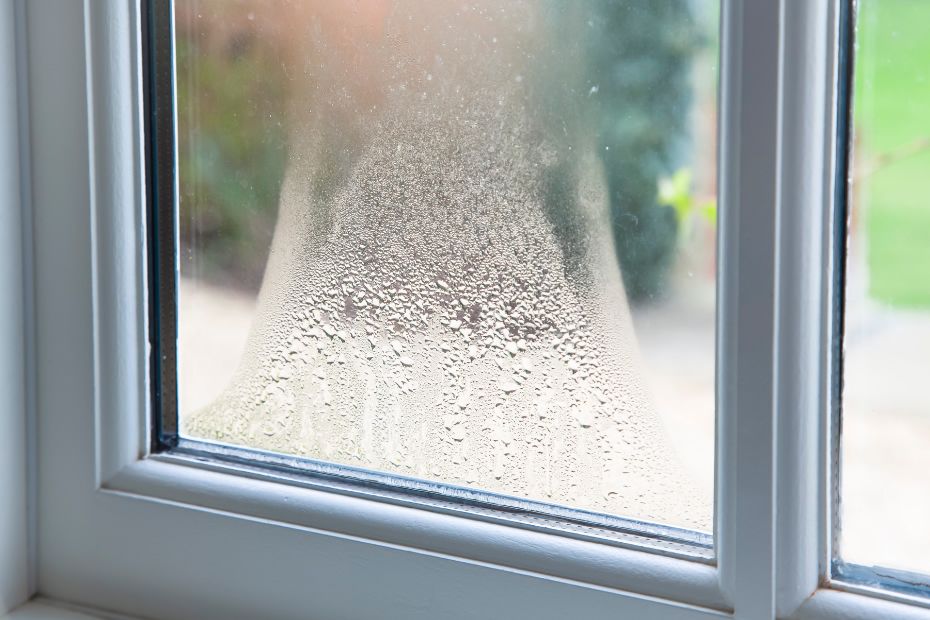
It occurs when warm, moisture-filled indoor air comes into contact with a surface that is cold enough for water vapour to turn into liquid. Single-glazed windows often have cold internal surfaces, making them more likely to develop condensation.
Double glazing usually keeps the inner glass surface warmer. This can reduce the likelihood of condensation forming on the room-facing side of the window.
However, double glazing does not remove moisture from indoor air. Poor ventilation, cooking, bathing and drying clothes indoors can still increase humidity.
Homeowners should maintain suitable ventilation and use extractor fans where necessary.
If moisture appears between the panes of a double-glazed unit, it may indicate that the sealed unit has failed. This is different from ordinary room-side condensation and may require professional inspection.
6. Improved Security for Your Property
Modern replacement windows can include security features that may be more advanced than those found on older units.
These can include multi-point locking systems, reinforced frames, secure handles and improved hinge designs.
Security is particularly important for ground-floor windows and other accessible openings. Choosing suitable products can help make unauthorised entry more difficult.
Some products are tested against recognised standards, including PAS 24, which relates to enhanced security performance for doors and windows.
However, security depends on the complete window assembly and the quality of installation. A strong locking mechanism will not provide its intended benefit if the frame is poorly fitted or surrounding components are unsuitable.
When requesting quotations, ask which security features are included as standard and whether additional options are available.
This can help you choose a product that meets your needs without spending unnecessarily on features that offer little additional value.
7. A More Attractive Appearance
Windows have a significant influence on the appearance of a property. Old, damaged or discoloured frames can make an otherwise well-maintained home look dated.
Replacing them with modern double glazing can improve the overall appearance and create a cleaner finish.
Homeowners can choose from different frame materials, colours and designs. White uPVC remains a common option, but wood-effect finishes, coloured frames and aluminium designs are also available.
Traditional properties may benefit from styles that complement their original architectural features. Modern homes may look better with simpler designs and slimmer frame profiles.
The appearance of replacement windows should be considered alongside practical performance. A visually attractive product is not necessarily the most suitable option if it does not meet the property’s insulation, ventilation or security requirements.
In some cases, planning restrictions or conservation requirements may also affect which designs can be installed.
8. Does Double Glazing Increase Property Value?
Many homeowners hope that upgrading their windows will increase the value of their property.
New windows can make a home more attractive to potential buyers, particularly when the existing units are old, damaged or inefficient.
Buyers may appreciate the appearance of modern glazing, improved comfort and the possibility of lower heat loss. Good-quality windows can also make a property seem better maintained.
However, it is difficult to guarantee a specific increase in property value from double glazing alone.
The effect depends on the local housing market, the condition of the property, the quality of the installation and the expectations of potential buyers.
A complete home renovation may have a different impact on resale value compared with replacing windows as a single improvement.
For this reason, homeowners should not rely entirely on an expected increase in property value when deciding whether the project is worthwhile.
9. Understanding the Initial Installation Cost
Although double glazing offers several potential benefits, the upfront expense is an important consideration.
Installation costs depend on the number of windows, their dimensions, frame materials, opening styles, glass specifications and labour requirements.
Standard uPVC casement windows are often more affordable than bespoke timber designs or large aluminium installations.
Additional features such as decorative glass, specialist acoustic glazing and enhanced security hardware can also increase the overall price.
The condition of existing openings matters as well. If old frames have caused damage to surrounding plaster or timber, repairs may be required before the new units can be installed.
An online double glazing cost calculator can help homeowners estimate the likely budget before contacting installers. These tools may use information such as window quantities, sizes and preferred materials to provide an initial cost indication.
However, the result should not be treated as a confirmed installation price. Professional measurements and a property assessment are usually needed to establish the final cost.
10. Comparing the Cost With Long-Term Benefits
To decide whether double glazing is worthwhile, homeowners should look beyond the initial purchase price.
The investment may provide several benefits over time, including improved insulation, greater comfort, reduced noise and potentially lower heating consumption.
It is useful to compare the cost of installation with the condition and expected lifespan of the existing windows.
For example, replacing badly deteriorated single-glazed windows may be more worthwhile than removing relatively new double-glazed units that still perform well.
Consider how long you expect to remain in the property. Someone planning to stay for many years may place greater value on improved comfort and energy performance than someone expecting to move soon.
Maintenance costs should also be considered. Different frame materials have different care requirements, and hardware or sealed glass units may eventually need attention.
A realistic assessment should include both the immediate expense and the practical benefits expected throughout the life of the windows.
11. Choosing the Right Type of Double Glazing
Not all double-glazed windows are identical. Their performance and suitability depend on the specifications selected.
Low-emissivity glass uses a special coating to help reduce heat transfer. Argon-filled units use an insulating gas between the panes to improve thermal performance.
Some homeowners may benefit from acoustic glazing, particularly when their property is exposed to significant outside noise.
Frame choices also matter. uPVC is popular for its relatively low maintenance and affordability, while aluminium is often selected for contemporary designs. Timber can provide a traditional appearance and may be suitable for period homes.
The right choice depends on your budget, property style and main priorities.
When comparing products, look at their U-values and relevant energy performance information. A lower U-value generally indicates better insulation.
It is also worth asking about warranties, maintenance requirements and replacement-part availability.
12. When Double Glazing May Not Be the Best Immediate Investment
Although double glazing can be beneficial, replacing windows is not always the most urgent improvement for every property.
If your existing double-glazed windows are relatively modern, properly sealed and in good condition, replacing them may provide limited additional benefits.
Other areas of the property may offer better opportunities for improving energy efficiency. For example, an uninsulated loft, significant draughts or poorly insulated walls may be responsible for a larger proportion of heat loss.
In these circumstances, addressing those problems first could be a more effective use of your budget.
Some older or historically important buildings may also have restrictions on replacement windows. Listed buildings and properties in conservation areas may require specialist advice or approval.
Secondary glazing may be worth considering where retaining original windows is important.
A property assessment can help identify the improvements that are likely to provide the greatest benefit.
13. How to Choose a Reliable Installation Company
The quality of installation has a major influence on how well replacement windows perform.
Poorly fitted units can develop gaps, draughts, water penetration and operating problems. These issues can reduce the benefits of even high-quality glazing.
Before choosing a company, research its reputation and experience. Look for genuine customer reviews and examples of completed projects.
Ask for a written quotation that clearly identifies the products, measurements, installation work and any additional services included.
Check the warranty arrangements and ask who will deal with problems after installation.
In England and Wales, homeowners should also check whether the installer belongs to an appropriate competent person scheme, such as FENSA or CERTASS, where applicable.
Avoid making a decision based only on a limited-time discount or pressure to sign an agreement immediately. A reputable company should give you enough time to review the details.
14. Planning a Realistic Double Glazing Budget
Good budgeting helps prevent unexpected expenses and makes it easier to compare different installation options.
Start by identifying which windows need replacing and whether the work can be completed in stages.
Next, decide which features are essential. For example, you may prioritise better thermal performance in frequently used rooms or improved acoustic glazing in bedrooms facing a busy road.
An online double glazing cost calculator can provide an initial estimate and help you understand how different window styles and materials affect the budget.
After using an estimate as a starting point, request detailed quotations from several reputable installers. Make sure each quotation covers comparable specifications.
Allow some flexibility for unexpected repairs or additional work discovered during installation.
Planning carefully makes it easier to balance product quality, practical requirements and affordability.
Conclusion
Double glazing can be a worthwhile investment for UK homeowners, particularly when replacing old single-glazed windows or damaged units with poor insulation. It can improve indoor comfort, reduce heat transfer, limit outside noise and provide access to modern security features.
However, the financial value of the upgrade depends on the property’s existing condition, installation costs and the benefits expected over time. Homeowners with relatively modern double glazing may find that other energy-efficiency improvements deserve greater attention.
Before making a decision, compare frame materials, glass specifications, energy ratings and installation services. Use a double glazing cost calculator to prepare an initial budget, then obtain professional measurements and detailed quotations.
Ultimately, double glazing is most worthwhile when the chosen products suit the property, the installation is carried out correctly and the long-term benefits justify the initial expense.