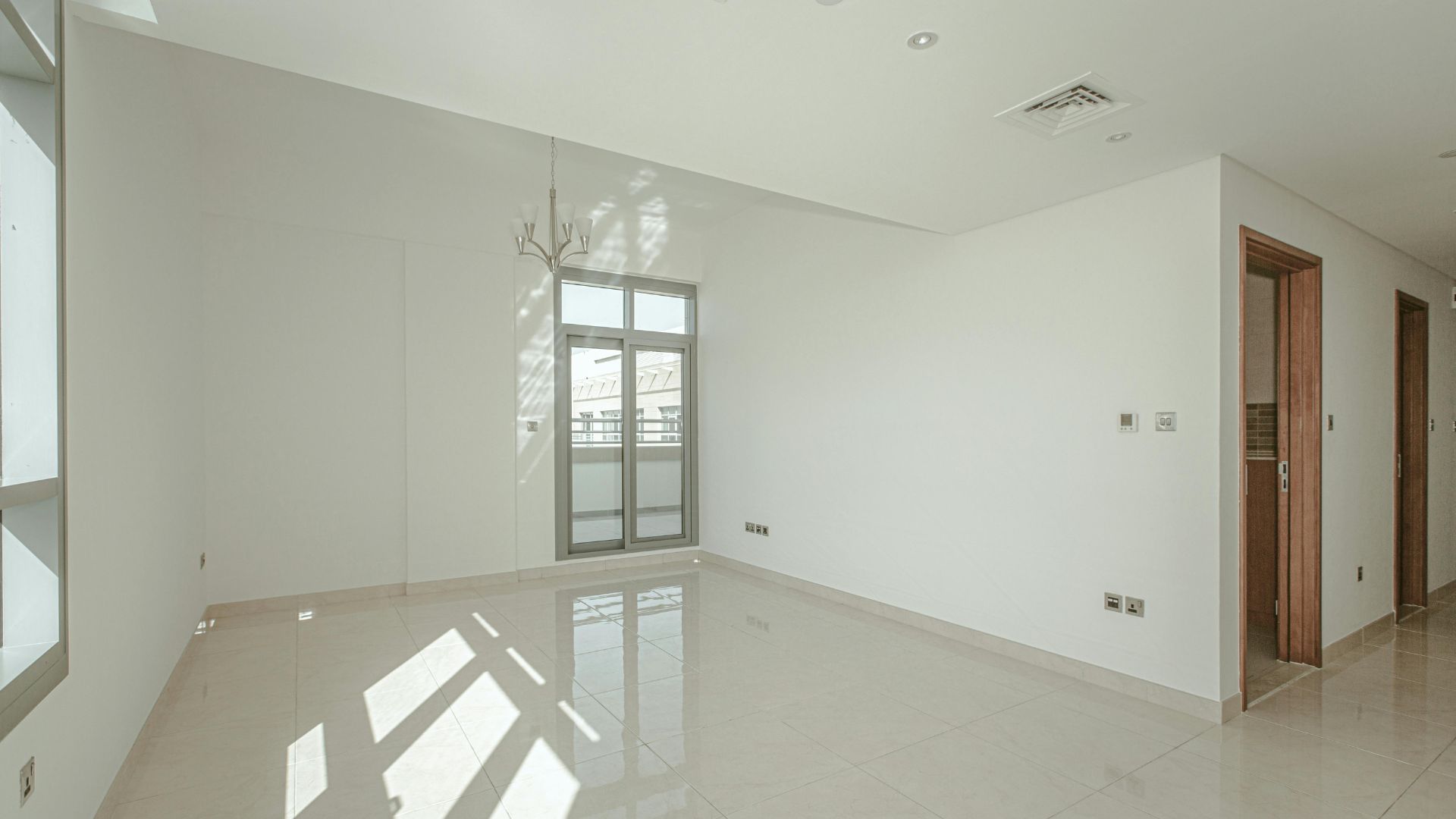
Fire-rated ventilation grilles play a key role in passive fire protection. They allow air to circulate while limiting the spread of fire and smoke. Choosing the wrong product or installing it incorrectly can significantly reduce their effectiveness and lead to regulatory non-compliance.
Understanding the role of fire-rated ventilation grilles
Fire-rated ventilation grilles are designed to maintain the compartmentalization of a building. They automatically close off the air passage in the event of a rise in temperature. Their proper functioning depends as much on the product as on its installation.
Choosing a grille that is not suitable for the substrate
A common mistake is to install a grille without taking the substrate into account. A door, wall, or partition does not have the same constraints. Each substrate has specific fire resistance requirements.
The most common mistakes involve :
- Grilles designed for doors installed in partitions
- Wall models installed on door frames
- Products that are not approved for the type of wall in question
Neglecting the actual fire rating of the product
Not all grilles have the same fire rating. Some are tested for limited durations or for specific configurations. An incorrectly rated grille may be rejected during a fire inspection.
The rating must correspond to the level of protection required in the building. This check must be carried out before ordering or installing.
Forgetting how intumescent material works
The intumescent principle is at the heart of the fire barrier system. When exposed to heat, the material expands and blocks the passage of air. Without this reaction, the grille cannot fulfill its protective function.
The most common mistakes are :
- Using grilles without intumescent material
- Choosing a material that is unsuitable for the required temperature
- Incorrect orientation of the intumescent system.
Incorrect positioning of the grille in the wall
The location of the grille directly affects its effectiveness. Installing it too close to a corner or obstacle can interfere with the intumescent seal. The recommended distances must be observed when positioning the grille.
Incorrect installation can create weak spots in the fire compartmentation.
Neglecting peripheral sealing during installation
Sealing around the grille is essential. Missing or poorly chosen seals allow smoke and hot gases to escape. Fire protection must be ensured around the entire perimeter.
The defects observed often concern :
- The absence of certified fireproof seals
- The use of unsuitable sealants
- A discontinuity between the grille and the support.
Modifying a fire door without validation
Installing a grille on an existing fire door is a sensitive operation. An unvalidated modification may invalidate the door’s certification. All ventilated doors must be designed or tested with their grille.
Prior technical validation is essential to avoid non-compliance.
Underestimating the importance of air flow
Air flow must be calculated precisely. A grille that is too restrictive limits ventilation. A grille that is too open weakens fire resistance. The balance between safety and airflow performance is essential.
This calculation depends on the use of the premises and regulatory requirements.
Ignoring local regulatory requirements
Fire safety regulations vary depending on the type of building and geographical area. Requirements are not the same for a commercial building, an industrial site, or a public access building.
The choice of a grille must always be based on :
- Local fire regulations
- The building’s intended use
- The requirements of the relevant authorities
- Securing the installation for long-lasting protection
A compliant installation is based on a certified product and expert installation. Anticipating errors ensures reliable protection over time. Fire-rated ventilation grilles require a rigorous and documented approach.
A final check guarantees the compliance and performance of the device.
The importance of working with qualified fire protection professionals
Even with certified products, improper installation remains a major risk factor. Fire-rated ventilation grilles must be installed by professionals who understand passive fire protection systems and regulatory constraints. Experience in real-world installations helps prevent configuration errors that are not always visible at first glance.
In complex buildings, involving qualified fire protection companies allows for proper product selection, compliant installation, and documented traceability. This approach reduces the risk of non-compliance during inspections and ensures long-term performance of the fire protection system.
Maintenance and periodic checks of fire-rated ventilation grilles
Fire-rated ventilation grilles are not “install-and-forget” components. Over time, dust accumulation, mechanical damage, or building modifications can affect their performance. Regular inspections are necessary to verify that intumescent materials remain intact and unobstructed.
Periodic checks should confirm that airflow paths are clear and that sealing elements remain effective. Preventive maintenance helps preserve both fire resistance and ventilation efficiency throughout the building’s lifecycle.
Fire-rated ventilation grilles are critical components of passive fire protection systems. Errors in product selection, positioning, sealing, or installation can significantly reduce their effectiveness and compromise building safety. By understanding common mistakes and addressing them early, project owners and facility managers can ensure regulatory compliance and reliable protection.
A rigorous approach combining certified products, correct installation, and regular maintenance guarantees that fire-rated ventilation grilles perform their role effectively when it matters most.