Key Takeaways
- Seasonal care is essential: spring for growth and pruning, summer for heat and pest management, fall for dormancy prep, and winter for protection and planning.
- Proper watering, mulching, and fertilization support tree health and resilience year-round.
- Pruning at the right time reduces disease, promotes strong structure, and minimizes storm damage.
- Monitoring for pests, disease, and structural issues ensures early intervention and prevents costly emergencies.
- Professional arborist services provide expertise in inspections, maintenance, and storm-related or complex tree care.
In Cornelia, Georgia, the distinctive rhythm of the seasons brings a dynamic set of tree-care opportunities and challenges. From the vibrant burst of life in spring to the chill dormancy of winter, each season affects trees in unique ways, influencing their growth patterns, susceptibility to pests and diseases, and overall well-being. Understanding these seasonal variations and knowing how best to respond can make a significant difference in both the health of your trees and the safety of your property. For those seeking knowledgeable, local assistance, McKay Tree Service has established itself as a trusted tree service company in Cornelia, GA, serving Habersham and Hall counties for over 11 years and offering expertise in pruning, removal, emergency storm response, and more.
Spring: Awakening and Preparation
As winter recedes and Cornelia begins to warm, trees awaken from dormancy, signaling the start of a new growth cycle. Spring is a time of renewed energy for trees, marked by the emergence of buds, blossoms, and fresh greenery. To set the stage for healthy, resilient growth, it’s essential to focus on:
- Fertilization: Applying slow-release fertilizer at the start of the season supplies trees with necessary macronutrients, aiding recovery from winter stress and promoting strong growth during the season.
- Watering: In Cornelia’s spring, supplemental watering may be needed for young or newly planted trees, as unpredictable rainfall can lead to early drought stress, which can affect flowering and fruiting.
- Pruning: Early spring pruning of dead, damaged, or diseased branches directs resources to healthy growth, improves air circulation, and reduces fungal disease risk as the weather warms.
Regular spring inspections can identify early warning signs of trouble, such as fungal spots, insect eggs, or abnormal leaf color. Addressing these issues before they escalate can maintain tree health and prevent more costly interventions later in the year.
Summer: Heat and Storm Vigilance
Summer in Cornelia is known for its intense heat and occasional storms. These conditions can put considerable strain on trees, making thoughtful summer care critical:
- Mulching: Apply 2-4 inch organic mulch around trees to conserve moisture, regulate temperature, and suppress weeds. It buffers weather extremes, protecting young roots from the hot Georgia sun.
- Pruning: Avoid heavy pruning in summer; remove weak or overextended branches to prevent storm damage from wind and rain. or injury.
- Pest Management: Warm weather invites pests like aphids, mites, and scale insects. Regular inspections enable early, eco-friendly treatment, preventing damage and stress.
Extended dry periods during northern Georgia summers need additional care. Deep, less frequent watering encourages roots to grow deeper, helping trees withstand drought and storms. Applying mulch and watering are essential for helping trees survive intense heatwaves.
Fall: Preparation for Dormancy
Autumn is a season of transition, as trees in Cornelia prepare to slow down and conserve resources for the winter months ahead. Fall tree care focuses on setting up a healthy dormancy and ensuring trees are structurally ready for winter stress:
- Leaf Management: Raking and removing fallen leaves helps prevent disease and pest habitats and provides nutrients for garden beds when composted.
- Soil Testing: Fall is ideal for testing soil pH, nutrients, and organic matter, helping homeowners apply fertilizers and amendments before winter to ensure trees have the essential nutrients they need.
- Structural Support: Installing stakes or wires for young or unstable trees can prevent uprooting during winter storms, reducing property damage and emergency costs.
The cooler weather also makes it an opportune time to schedule larger projects such as tree removal or major branch reductions, as trees are less stressed and recovery is optimized for their natural growth cycles.
Winter: Protection and Planning
Though trees may appear lifeless in winter, important internal processes continue, and care during this period can have lasting benefits:
- Pruning: With the canopy exposed, it becomes simpler to evaluate branches and identify issues such as rubbing limbs or storm-related damage. Pruning in winter encourages healthy branching and lowers the risk of disease, since pathogens are less active during cold weather.
- Hydration: Even during winter, dry periods happen, and roots require moisture. Deep watering on warmer days stops roots from drying out, helping spring growth.
- Protection: Young or thin-barked trees are susceptible to frost cracks, sunscald, and wildlife damage. Wrapping trunks and setting up barriers can shield them from winter dangers.
Scheduling a professional inspection during the dormant months is beneficial, as arborists can identify hidden vulnerabilities and plan any treatment or corrective work before trees emerge from dormancy. This proactive approach reduces emergency issues and supports healthy spring regrowth.
Local Considerations in Cornelia
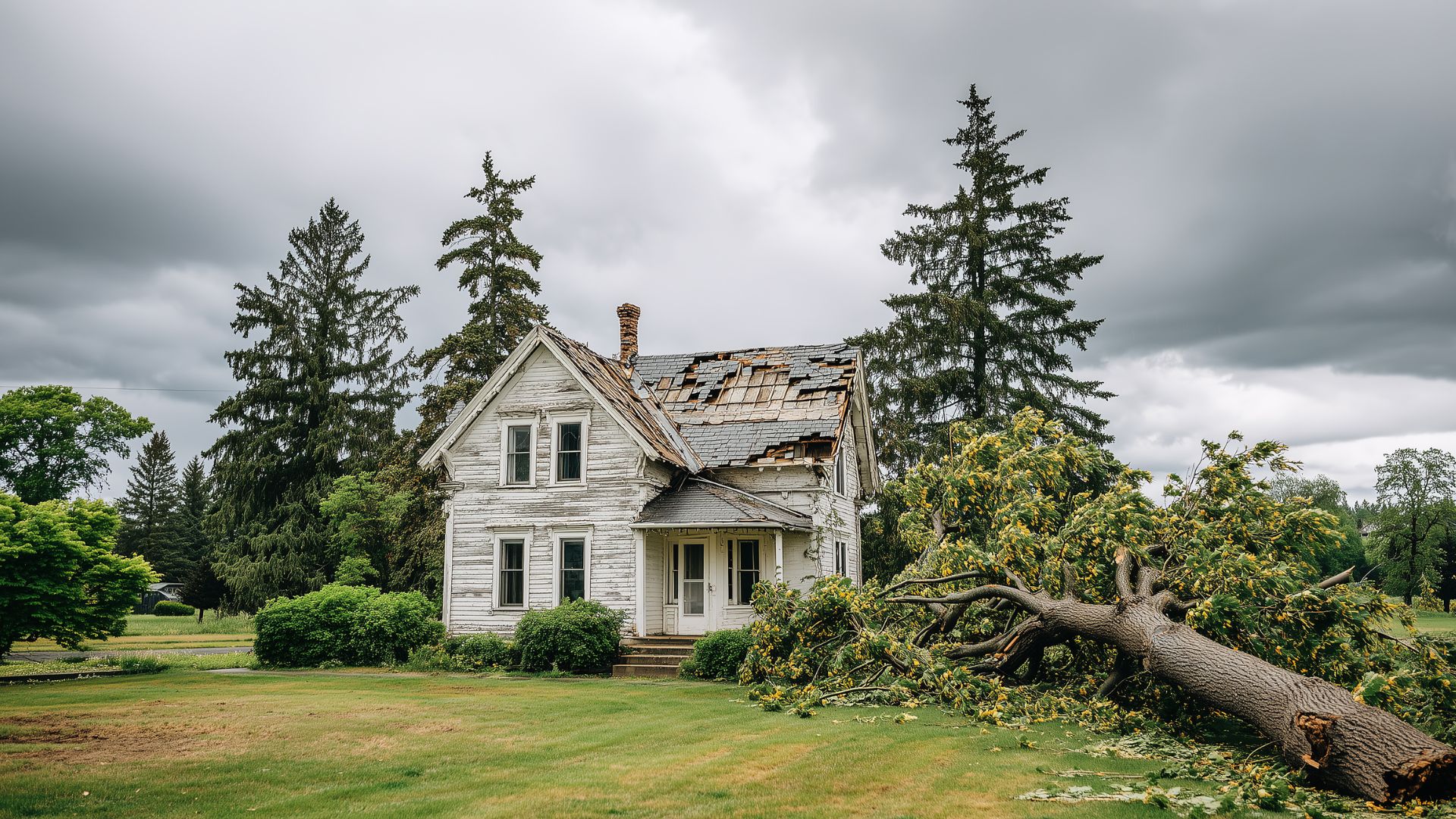
Tree care in Cornelia, GA, necessitates vigilance against sudden weather events such as cold snaps, heat waves, and storms. Winter ice can cause limb damage and topple trees, posing risks to power lines and structures. Authorities advise residents to prepare their trees for harsh weather, highlighting the importance of ongoing maintenance. Remaining informed allows the community to minimize damage and maintain a safe, attractive environment.
Professional Assistance
For those unsure about the best course of action or facing significant storm damage, professional guidance is invaluable. McKay Tree Service, with its long-standing local expertise, is ready to assist with both regular maintenance and urgent needs. Their reputation as a reliable tree service company in Cornelia, GA, is built on safety, knowledge, and prompt response, qualities that matter most to homeowners and businesses alike.
Frequently Asked Questions
How often should I water my trees during a drought?
Deep weekly watering during droughts promotes deeper root growth, enhancing drought resilience and helping surface roots avoid rapid drying during heat waves.
Is it safe to prune trees in the summer?
Light summer pruning carefully removes small, weak, or damaged branches to reduce the risk of storm damage. More severe pruning, such as cutting large limbs or reshaping the tree, is best performed in winter to reduce stress on the tree and limit pest exposure.
What signs indicate a tree is unhealthy?
Signs that a tree is unhealthy include unusual leaf color or wilting, brittle branches, fungi at the base, leaning, trunk cracks, or insect infestations. Consulting a certified arborist early can help prevent additional damage.
Can mulching harm my trees?
Proper mulching benefits trees, but ensure the mulch stays a few inches away from the trunk to prevent rot and pests. Excessive, mounded mulch can trap moisture, increasing the risk of disease.
Why is professional tree assessment important?
Certified arborists have specialized training to detect problems, identify weaknesses, and recommend care strategies. An assessment ensures tree health and safety and helps you decide on pruning, removal, or treatment, especially for large or valuable trees.
Conclusion
By understanding and responding thoughtfully to the seasonal needs and challenges of trees in Cornelia, GA, homeowners can promote vigorous year-round growth and reduce the risk of weather-related hazards. Regular, proactive care, whether done personally or with the help of skilled professionals, leads to healthier, longer-lived trees and a more attractive landscape for all to enjoy.