Pests rarely make a dramatic entrance. In most homes, they settle quietly behind walls, under floors, or inside crawlspaces long before you notice visible damage. By the time drywall stains appear or wood feels soft, the issue has often been developing for months. Regular home inspections help you catch these problems early, before they require major structural repairs.
In Dallas, Oregon, damp winters and mild temperatures create ideal conditions for insects and rodents. Moisture lingers in basements and crawlspaces, while cooler seasons push pests indoors. Treating inspections as routine maintenance protects both your home’s structure and its long-term value.
Structural Vulnerabilities: How Tiny Gaps Become Major Entry Points
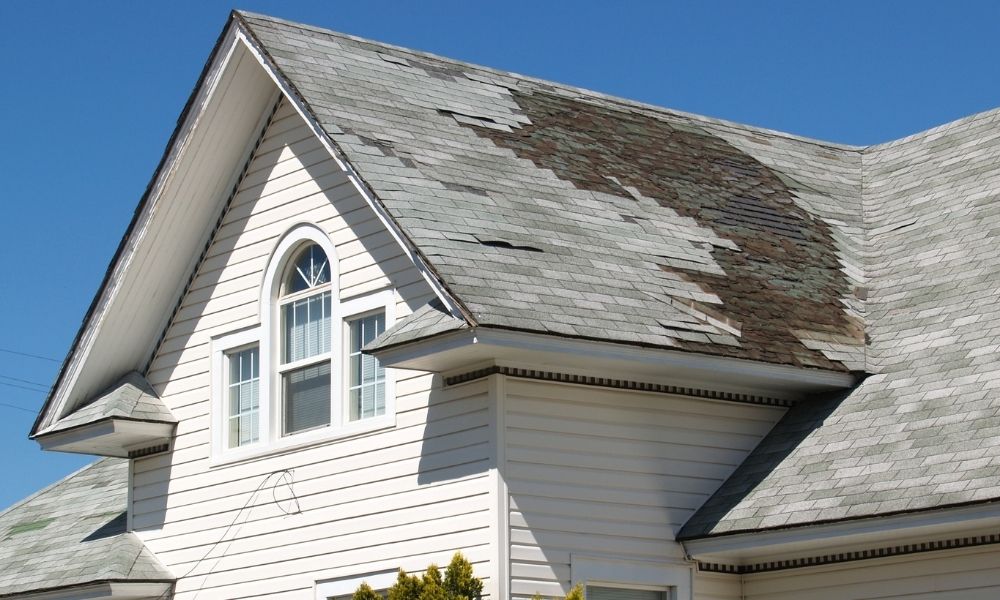
Most pest problems begin with openings you barely notice, which is why they are so easy to overlook. Small cracks in siding, gaps around utility lines, worn weatherstripping, and loose vent covers all provide convenient access points. Over time, these flaws develop as building materials expand and contract with changing weather, slowly weakening the protective barrier around your home.
Although a careful DIY walkthrough can catch obvious issues, it may still miss subtle weaknesses near the roofline or along the foundation. Because these hidden gaps often require a trained eye, many homeowners start considering professional support once they realize how easy it is to overlook critical entry points. If you are looking for professional pest control Dallas Oregon has plenty of options. While sealing visible cracks and maintaining routine upkeep are essential first steps, trained professionals bring specialized tools and regional insight that help secure your home before pests have a chance to settle in.
Early Warning Signs You Should Never Ignore
Pests leave clues, but they are easy to dismiss. You might find small droppings in a cabinet, fine wood shavings near baseboards, or hear faint scratching in the walls at night. In reality, these signs often signal the early stages of an infestation.
Routine inspections make you more aware of these details. Check attics, crawlspaces, and areas behind appliances where activity often begins. When you act early, you limit the spread and avoid larger repairs. Catching these signs quickly protects both your home and your budget.
Moisture Control: Why Damp Spaces Attract Unwanted Guests
Moisture creates an inviting environment for many common pests. Termites, carpenter ants, and even rodents seek out damp wood and humid spaces because they provide both shelter and access to food sources. Leaky pipes, poor drainage, and inadequate ventilation all increase this risk.
During inspections, focus on basements, crawlspaces, and bathrooms. Repair leaks promptly and ensure proper airflow with vents or dehumidifiers if needed. Controlling moisture not only reduces pest activity but also preserves the structural components of your home.
The Seasonal Nature of Pest Activity
Pest behavior shifts throughout the year. In colder months, rodents and insects look for warmth and stable shelter indoors. As temperatures rise in spring and summer, breeding cycles increase, leading to larger populations around your property.
Adjust your inspection routine with the seasons. Before winter, examine insulation, attic spaces, and door seals. A seasonal approach keeps you ahead of changing pest patterns and strengthens your overall prevention strategy.
Understanding Common Household Pests and Their Risks
Not all pests cause the same type of damage. Termites quietly consume wood and weaken framing, sometimes for years before detection. Rodents chew through wiring and insulation, increasing fire risk and reducing energy efficiency. Knowing what you are dealing with shapes how you respond.
A careful inspection helps you distinguish between these threats. Mud tubes along the foundation may point to termites, while gnaw marks often signal rodents. By identifying the pest early, you reduce the chance of structural deterioration.
Landscaping and Exterior Habits That Invite Pests
Your yard plays a bigger role in pest prevention than you might think. Overgrown shrubs, tree branches touching the roof, and mulch piled high against the siding create easy access points. Stacked firewood near the foundation offers shelter and warmth.
During routine inspections, step back and evaluate your exterior. Trim vegetation away from the structure and maintain a clear perimeter around the foundation. When you manage the outside environment carefully, you reduce the pressure pests place on your home’s interior.
The Financial ROI of Prevention vs. Emergency Extermination
Preventive inspections cost far less than repairing structural damage. Replacing rotted framing, damaged insulation, or compromised drywall can quickly add up. These expenses often exceed what routine inspections and minor maintenance would have required.
Beyond repair costs, infestations can affect property value. Homebuyers and inspectors look closely for pest damage. By investing in prevention, you protect both your finances and your home’s long-term market appeal.
A Practical DIY Home Inspection Checklist
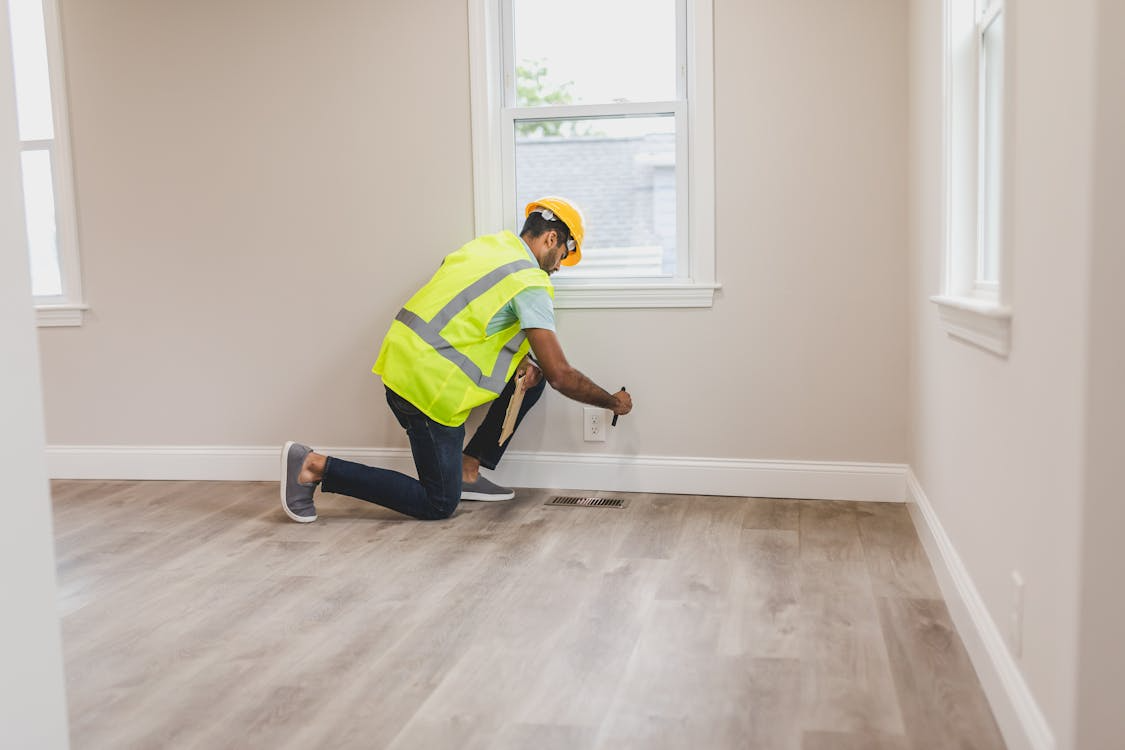
A consistent checklist keeps inspections focused and effective. Walk around the exterior each quarter and examine siding, vents, rooflines, and foundation cracks. Inside, inspect basements, crawlspaces, and attics for moisture, droppings, or nesting materials.
Stay observant and trust what you see. If something looks unusual or damage appears to spread, bring in a professional for a deeper evaluation. DIY awareness combined with expert support creates a stronger defense against persistent pests.