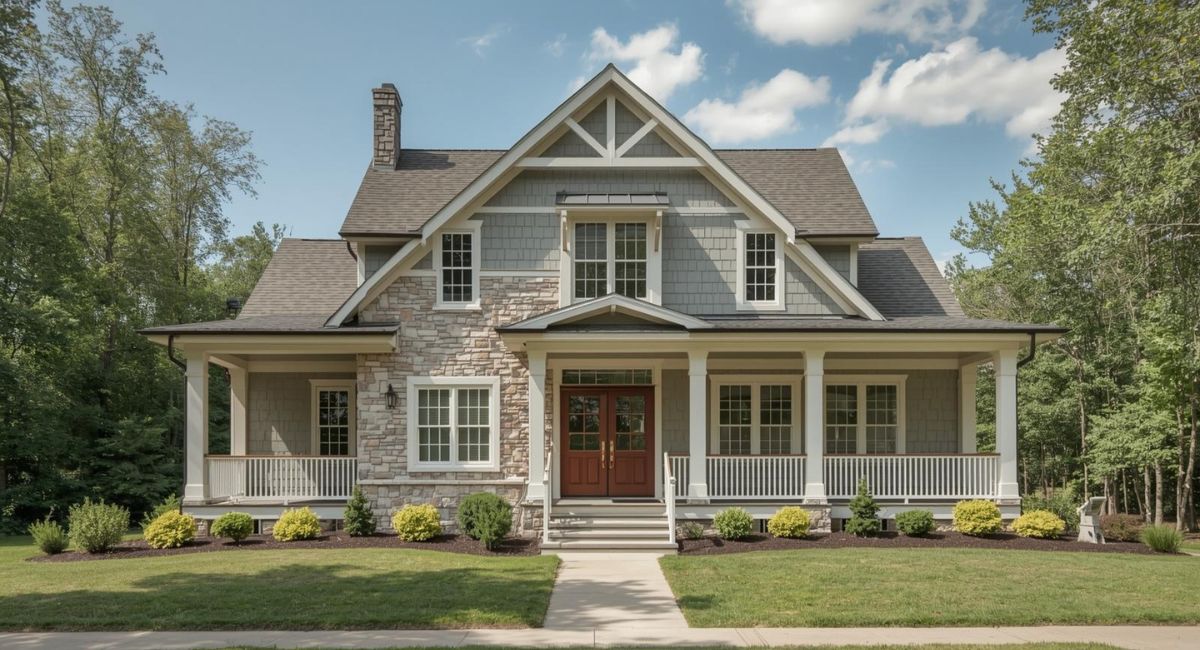
Getting your home ready to sell does not have to be complicated. A few focused fixes, some cleaning, and smart presentation can lift your price without draining your savings. The key is to spend time where buyers pay attention and skip projects that will not move the needle.
Use this guide as a simple roadmap. You will find quick wins, budget ideas, and a few places where a small upgrade makes a big impression. Tackle the basics first, then layer in extras that fit your timeline.
Start With A Clear Plan
Begin by making a short list of priorities. Walk through each room and note easy wins like patching nail holes, swapping burnt bulbs, and tightening loose handles. Rank tasks by impact and cost so you can act fast.
Set a spending cap and stick to it. Most pre-sale touchups are about polish, not perfection. Give yourself a deadline for each item so momentum stays high.
Gather a few photos of nearby listings to compare the condition. Seeing what buyers will tour the same day helps you calibrate your plan and avoid overdoing it.
Know Your Local Market And Timing
Talk to people who are active in your area, then match your prep to what buyers expect right now. If three-bed homes are moving quickly, lean into speed and simplicity rather than long projects. You can touch base with local house buyers in Jacksonville to gauge demand, as professionals often have a clear read on price points and finishes that sell. Use that intel to choose the two or three updates that matter most, and skip the rest.
Pick a listing window that fits neighborhood rhythms. Weather, school schedules, and local events can affect turnout. If you are flexible, aim for a weekend with good light and no big distractions.
Line up your team early. A handyman, painter, and cleaner on call can keep your schedule on track when small surprises pop up.
Focus On First Impressions
Your entry sets the tone. Clean the door, polish the hardware, and add a fresh doormat. If the door is tired, a quick repaint can feel like a full upgrade.
Make the foyer open and bright. Remove bulky furniture, add a simple mirror, and keep traffic paths clear. Buyers should move easily without bumping into anything.
Keep scents neutral. A deep clean does more than candles ever could, and it signals that the home has been cared for.
Refresh Paint And Lighting
Paint is the easiest way to reset a space. Choose light, classic neutrals so rooms feel larger and brighter. Touch up trim and doors to frame each room cleanly.
Swap dated fixtures for simple, modern shapes. Higher lumens in kitchens, baths, and halls help buyers see details. Add LED bulbs to reduce heat and boost brightness.
Use accent lighting to warm up dark corners. A floor lamp in the living room and a bedside lamp in the primary bedroom can balance overhead lights nicely.
Quick wins to prioritize:
- Repaint scuffed baseboards and door casings.
- Replace yellowed switch plates.
- Add bright, matching bulbs throughout.
Tidy Kitchens And Baths
Clean and clear counters. One or two attractive items are enough, think of a wooden cutting board or a small plant. Empty most lower cabinets so they look bigger during showings.
Update small details. New cabinet pulls, a modern faucet, and a fresh shower curtain can change the entire feel. Recaulk edges and regrout stained lines to signal a well-kept home.
A national agent survey noted that modest updates can pay off, with paint and decluttering delivering meaningful value while larger kitchen work can add even more when targeted well. That insight reinforces the idea that simple, visible improvements are worth your time.
Fix What Buyers Notice
Handle the squeaks, drips, and sticky doors. These tiny issues stack up in a buyer’s mind and can lead to lower offers. Tighten hinges, silence floor vents, and stop leaks.
Service major systems if they are due. A clean HVAC filter and a tuned-up unit can cut odors and noise. Label the breaker panel and leave any service receipts in a tidy folder.
Walk the exterior for quick repairs. Straighten a leaning mailbox, secure loose handrails, and reset wobbly pavers.
Checklist for high-impact fixes:
- Repair running toilets and slow drains.
- Replace cracked outlet covers.
- Secure loose cabinet doors and drawers.
Enhance Curb Appeal On A Budget
Trim shrubs below window height and edge the walkway. Fresh mulch and a few seasonal plants add color without high cost. Keep the lawn even and free of clutter.
Power wash where safe to do so. Siding, porches, and driveways look newer after a careful rinse. Clean windows inside and out so natural light can do its job.
If you have a porch or patio, stage it as a welcoming spot. Two chairs and a small table suggest a lifestyle that buyers can picture themselves enjoying.
Stage The Spaces That Sell
Arrange furniture to highlight flow. Pull sofas off the walls and create a simple conversation zone. Use a neutral rug to anchor the living area and define the room.
Make the primary bedroom calm and simple. Crisp bedding, two pillows per side, and cleared surfaces read as restful. Hide personal items to keep focus on the space.
A report noted the living room is the most important room to stage for top dollar, which means your effort here can carry the rest of the showing. Put your best lighting and styling energy into this space, and let secondary rooms stay minimal.
Organize Storage And Flex Areas
Buyers open closets and cabinets. Box up off-season items and donate what you can. Leave some empty shelf space so storage looks generous.
Tidy garages and sheds. A neat tool wall and clear floor space suggest easy maintenance. If you have a small mudroom, add hooks and a bench to show function.
Rooms without a clear purpose confuse buyers. Stage a spare room as a simple office or guest room so the layout makes sense at a glance.

No matter your timeline, steady progress adds up. Keep the work simple, focus on what buyers notice first, and let clean, bright rooms do the selling.
When your list is complete, step back and look at the home like a shopper. If it feels easy to live in and easy to maintain, you are set for a strong debut.