More families are choosing to live together. Nearly 60 million Americans, spanning three or four generations, now share one roof—and historic estates offer the space to make it work. But these homes weren’t designed for multiple families living as equals; they were built for one wealthy household plus staff, with layouts prioritizing formal entertaining over daily function. Here’s how to bridge that gap without destroying what makes them architecturally valuable.
What Makes Gilded Age Homes Different
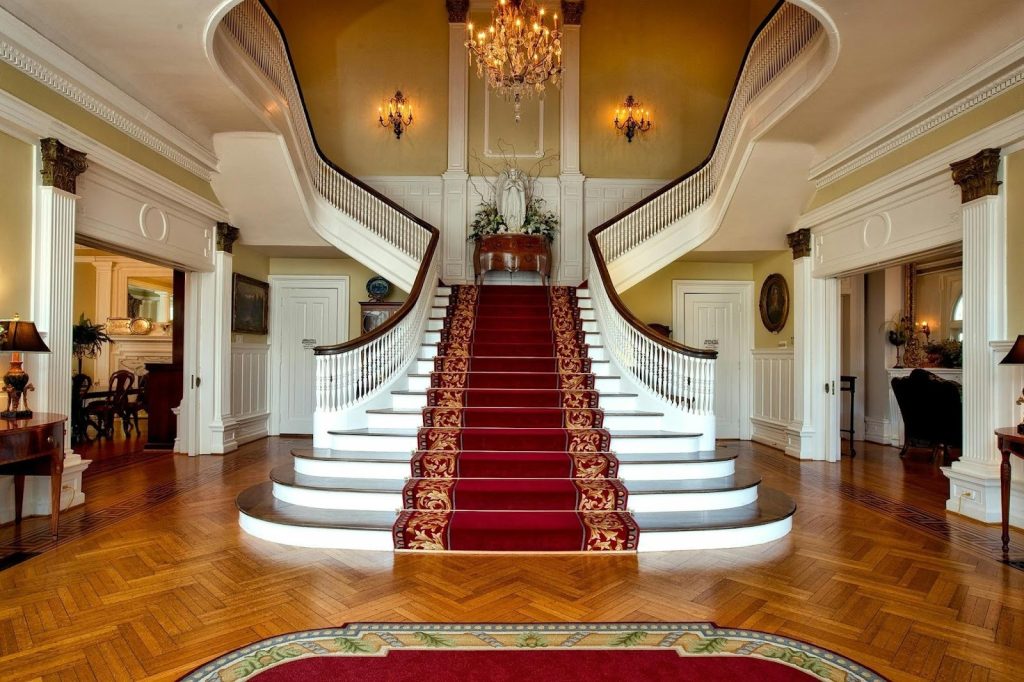
Gilded Age estates built between the 1870s and 1900s were constructed on a scale rarely seen in modern residential architecture. The spatial generosity, architectural details, and distinct room functions reflect an era when wealthy families built homes as much for display as for living.
But they were designed for a fundamentally different lifestyle—one wealthy family plus live-in staff, with formal entertaining prioritized over daily function. According to Pew Research Center‘s analysis of 2021 census data, nearly 60 million Americans now live in multigenerational households, and these estates are being reimagined for that purpose.
You’ll find distinct architectural zones separating formal and informal spaces, grand staircases connecting multiple floors, and specialized rooms that once served specific functions. Parlors for receiving guests, libraries for quiet retreat, servant quarters for household staff, wood-framed construction with plaster walls.
Understanding these characteristics helps you work with the architecture rather than fighting it. The most immediate challenge? Those extraordinary staircases.
Making Staircases Work for Everyone
Those sweeping staircases are stunning. They’re also exhausting when your 70-year-old mother can barely climb to her bedroom, and terrifying when your toddler discovers stairs exist. Multi-story living means solving for both ends of the age spectrum—safety for kids, accessibility for aging adults who want independence, not isolation.
This means addressing safety and access across generations. Both require modifications that respect the staircase’s architectural character while making it functional.
Child Safety Without Destroying Character
For young children, period-appropriate solutions exist. Custom hardwood gates matching banister style, non-slip treads in materials that respect the original design, and strategically placed lighting can all prevent accidents without looking like you bolted Home Depot hardware onto a hundred-year-old staircase.
Accessibility for Aging Adults
For aging adults, modifications range from simple enhancements to more substantial interventions.
Multiple modifications benefit everyone, not just those with mobility challenges:
- Enhanced lighting highlighting each step
- Sturdy handrails on both sides
- Non-slip treatments for treads
- Rest landings with seating
For more substantial needs, consider special mobility equipment. For instance, California Mobility offers stair lifts that can make upper floors accessible without requiring structural changes to the staircase itself. Modern stair lift technology has become less visually intrusive than older models, though placement and design still require careful consideration in a historic home.
The goal isn’t eliminating the staircase’s visual impact—it’s maintaining independence for everyone while protecting what makes it architecturally significant. Once everyone can move between floors safely, the next question is what to do with all that formal space.
Reimagining Formal Spaces for Real Living
Dining rooms built to accommodate thirty people were never intended to double as everyday homework spaces. But their generous proportions and quality finishes make them surprisingly adaptable. The key is releasing them from rigid formality while respecting their architectural bones.
Creative Conversions That Work
Formal spaces can serve daily living:
- Formal dining room → flexible workspace for homework, crafts, remote work zones
- Library → quiet teen retreat or adult home office
- Parlor → comfortable family gathering space with modern seating
- Servant quarters → autonomous in-law suite with private entry and kitchenette
The process of curating your space in a historic home means honoring its proportions while releasing it from museum status. You’re not destroying history—you’re continuing it.
Servant wings particularly shine—separate entrances, bedroom clusters, sometimes even butler’s pantries that convert beautifully into full kitchenettes. All this spatial potential means nothing if the structure itself deteriorates.
Protecting Your Historic Investment
These homes can last another century with proper maintenance. Without it, they deteriorate fast.
Wood-framed construction means you’re dealing with termites. Also carpenter ants. Also powder post beetles that treat century-old oak like an all-you-can-eat buffet.
Why Historic Homes Need Different Pest Strategies
Here’s the problem with traditional approaches: drilling through your foundation to pump in termiticides damages the structure you’re trying to protect. Harsh chemical treatments eat away at original plaster and can disqualify properties from historic registries. You’re trading one form of damage for another.
The smarter approach? Integrated Pest Management, which sounds bureaucratic but really just means monitoring, preventing, and using the gentlest effective treatment. When you need professional help—and with wood this old, you probably will—use a pest control company that’s worked with historic buildings before. They understand you can’t just blast chemicals everywhere and call it done.
Prevention Strategies That Work
Most pest problems start with moisture and access. Fix those, and you’ve eliminated half your risk.
What actually works:
- Check your foundation every few months for moisture, cracks, or places where wood touches soil
- Direct water away from the house.
- Keep crawl spaces and attics ventilated
- Fix roof leaks and plumbing problems immediately, not eventually
- Have a professional who knows old houses inspect annually
Catch problems early and you avoid the nightmare scenario: discovering half your floor joists have turned to sawdust. With the structure protected, comfort comes next. You can create modern systems that serve three generations without making your parlor look like a Best Buy clearance rack.
Integrating Modern Systems Invisibly
Three generations under one roof means three sets of comfort expectations. Teenagers need WiFi that doesn’t buffer during gaming. Aging adults want thermostats they can actually read. Everyone benefits from systems that keep the house from feeling like a time capsule.
Climate Control for Different Comfort Zones
The original single-zone heating is a problem when grandma wants it at 74 and your teenagers sleep with windows open in January. Running the whole system to satisfy one person wastes energy and money.
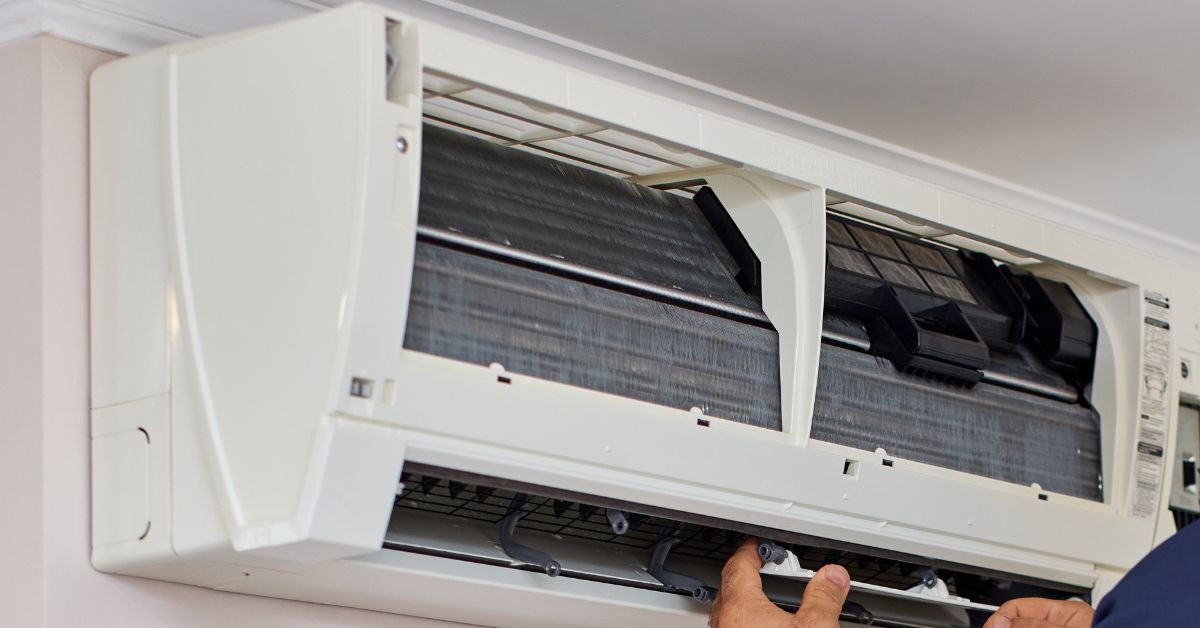
Ductless mini-split systems solve this without tearing apart plaster walls to install ductwork. Each zone gets its own control. Combined with energy-efficient upgrades like solar lights for exterior spaces, you reduce operational costs while maintaining comfort across generations.
Smart Features That Enhance Multi-Gen Safety
Technology particularly shines in safety and independence.
Consider these universal benefits:
- Video doorbells (so grandma doesn’t navigate stairs just to see it’s the mail carrier)
- Smart locks with keyless entry (helpful for arthritis, and anyone carrying groceries)
- Motion-sensor lighting for nighttime bathroom trips
- Environmental monitors catching smoke, CO, or water leaks before disaster
- Remote thermostat control so nobody argues at the actual thermostat
The key is invisibility. Recess devices into walls. Use period-appropriate cover plates. Run wiring behind baseboards during other renovation work. These modifications don’t happen all at once.
Layering Transformations Thoughtfully
Transforming a Gilded Age estate into a multi-generational haven isn’t about fighting the architecture. It’s about understanding what you have and modifying strategically.
These homes weren’t designed for how families live now, but their spatial generosity and distinct zones solve modern challenges that open-plan contemporary homes can’t. The formal dining room that once seated thirty becomes the workspace where three generations actually interact. The servant wing that housed staff becomes the private suite where your parents maintain independence.
Start with safety and accessibility. Layer in comfort systems. Refine the details over time. Each modification should serve multiple goals—protecting the investment, honoring the architecture, and making life genuinely easier for every generation under your very historic roof.