Many homes near Eagle Mountain have a spare room that never gets proper attention. It often turns into a storage space for random items, old furniture, or things you plan to sort out “someday.” This makes the room feel cramped and unfriendly. If you want a calm place to unwind, this unused space can become a simple retreat with the right steps. A relaxing room does not require costly changes or complex design work. It only needs clear planning, a few smart choices, and a focus on what brings comfort. When you understand how to shape the room with intention, it becomes easier to create a space you look forward to using. The goal is to design a room that feels open, calm, and useful at the same time.
The steps below show how to clear the space, choose a purpose, set the tone with color, adjust lighting, and pick the right furniture for steady comfort.
Clearing the Room for a Fresh Start
A spare room becomes easier to plan when you clear it from corner to corner. Many people try to design around clutter, but that makes it hard to see the room’s true layout. Start by removing everything so you can view the space with a clear mind. Take out boxes, unused decor, old furniture, and anything that blocks your view of the walls and floor. Place items in another room for sorting. Some people move extra belongings to storage units Eagle Mountain residents often use when they need more working space. Once the room is empty, you can see which parts feel open, crowded, bright, or dark. This helps you make stronger choices for the next steps. A cleared space also makes the process less stressful because you deal with one task at a time instead of mixing design work with clutter control.
Choosing a Purpose That Guides Every Choice
A relaxing retreat needs a clear purpose. Many spare rooms stay unfinished because the purpose keeps changing. Decide what you want from the space before you buy anything or move items back in. You might want a quiet reading area, a place to stretch, a simple room to rest, or a small spot to enjoy music. When the purpose is clear, your design becomes simple and direct. You know what to keep, what to remove, and what to bring in. You avoid buying items that do not fit the room’s role. A defined purpose also keeps the room from turning back into a storage zone later. Every item you add should support the room’s main goal. This helps the space stay calm and consistent over time.
Setting a Calming Tone Through Color
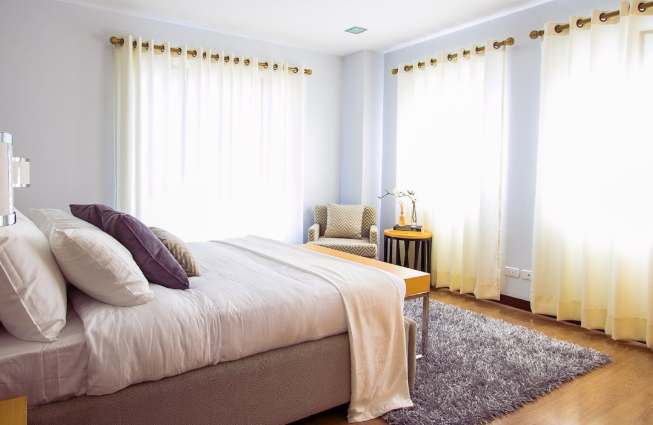
Color shapes the mood of a small room more than most people expect. A calm retreat works best with soft, low-contrast colors. Simple tones help your eyes relax and make the room feel steady. Light neutrals, muted greens, soft taupes, and gentle grays work well because they do not compete for attention. You do not need bold or bright colors to make the room feel warm. A quiet palette supports calmness and reduces visual stress. Focus on two to three related tones so the room feels even and connected. When the colors match the purpose you set earlier, the room takes on a more intentional look without much effort.
Shaping the Atmosphere With Soft Lighting
Lighting affects comfort more than any single decor choice. A relaxing retreat should avoid harsh bulbs or bright glare. Warm lighting creates a softer mood that helps you unwind. Table lamps, floor lamps, or shaded fixtures give you better control over the room’s brightness. Place lights at different levels instead of relying on one strong source. This reduces sharp shadows and helps the room feel more balanced. Lamps with simple warm bulbs often provide the right amount of light without adding strain. When you adjust lighting with intention, the room becomes easier to enjoy at any time of day.
Choosing Furniture That Supports Ease and Comfort
Furniture has a major influence on how calm a room feels. Large or bulky pieces can make a spare room feel crowded. Pick items that serve your chosen purpose and leave open space around them. A small sofa, a lounge chair, or a cushioned bench can create a comfortable seating area. A simple side table can hold a book, tea, or a small lamp. Focus on sturdy, well-made pieces that do not overwhelm the room. Keep the layout open so the room feels easy to move through. When furniture supports the room’s purpose and stays simple, the space begins to feel more like a true retreat.
Adding Soft Textures for Steady Comfort
Soft textures help a room feel warm and calm without adding visual noise. They also improve comfort in a simple and practical way. A small rug can reduce echo and make the floor feel inviting. A few pillows can support your back and help you relax while you read or rest. A light throw blanket adds comfort on cooler days. Choose items with smooth or gentle textures that do not draw too much attention. Natural fabrics like cotton and wool often feel pleasant and hold up well over time. Keep the number of items low so the room stays open and uncluttered. The goal is to add comfort without filling every corner.
Bringing Nature Indoors for a Balanced Mood
Natural elements can improve the feel of a room in a subtle and steady way. Many people find that indoor plants help create a peaceful environment. Plants like pothos, snake plants, and peace lilies have a reputation for being easy to care for, but you should pick plants that match your own level of experience. You can also use simple wooden accents or natural cotton fabrics to add a grounded feel to the space. Natural items often have soft colors that work well with a calming palette. Keep these additions modest so the room stays open and does not feel crowded. When nature blends smoothly with your design choices, the room gains warmth without effort.
A spare room can become a relaxing retreat when you make clear and simple choices. You start by clearing the space and choosing a purpose that supports your daily needs. Color, lighting, and furniture then shape the room in a calm and steady way. Soft textures, modest storage, natural elements, and a dedicated quiet corner add comfort without adding clutter. Regular upkeep keeps the room inviting and easy to use. When each step supports the next, the room becomes a place where you can slow down, reset, and enjoy a quiet break from daily demands.