Moving inventory and managing space can be some of the biggest hurdles for a growing warehouse operation. When items are scattered or stored in hard-to-reach places, the clock starts ticking on your profits. Every extra step a picker takes adds up over a shift.
Warehouse organization is about more than just keeping floors clean. It is a strategic way to cut down on waste and make sure every square foot of the building works for you. By looking at how items move through the facility, companies can find hidden costs and fix them.
The High Cost of Poor Warehouse Flow
Managing a messy facility leads to a snowball effect of high expenses and slow shipping times. One of the most substantial cost savings opportunities in production is efficiently moving materials through a manufacturing site or warehouse. When staff cannot find what they need, the entire supply chain feels the pressure.
Wasted movement is a silent profit killer. If your team spends half their day walking across a massive floor, you are paying for steps instead of results. Reducing these empty miles is a top priority for managers who want to protect their margins.
Safety plays a huge role in the bottom line. Cluttered aisles lead to accidents that stop work and increase insurance premiums. A clean layout keeps the team safe and keeps the workflow moving without sudden interruptions.
Maximize Vertical Space for Better Efficiency
Many warehouses struggle with floor space while leaving the area above their heads empty. Traditional racking often leaves huge gaps of unused air. A VLM can save up to 85% of your available floor space by using ceiling height instead of floor area.
Switching to vertical storage changes the way a business views its footprint. Instead of renting a larger building, companies can simply use the height they already pay for. This prevents the massive expense of moving to a new location.
Tighter storage means items are closer together. When products are stored vertically, they are delivered directly to the worker. This removes the need for long walks and heavy lifting in many scenarios.
Investing In Modern Storage Solutions
Upgrading a facility requires a careful look at the long-term financial health of the operation. Modern hardware helps companies manage inventory without needing a massive footprint or extra staff. Making these changes helps protect profit margins as the business grows larger.
Dense storage systems are popular for businesses that have reached their physical limits. When teams evaluate the cost of a vertical lift module, they see how quickly reclaiming floor space impacts the bottom line. Utilizing every inch of height makes a warehouse much more productive.
Shifting to automated systems changes how a manager plans for future labor needs. These machines handle the heavy lifting and repetitive retrieval tasks that often slow down humans. Relying on technology creates a more predictable budget for the coming years.
Investment in Digital Management Systems
The way businesses track their inventory is changing fast to keep up with high demand. The warehouse management system market size has grown rapidly in recent years. It will grow from $3.44 billion in 2024 to $3.91 billion in 2025 at a compound annual growth rate of 13.6%.
Digital tools take the guesswork out of where items are located. Instead of relying on memory, staff use handheld devices to find the exact bin for a product. This speed is what allows modern warehouses to compete with giant retailers.
Errors in shipping are incredibly expensive to fix once a package leaves the dock. A digital system flags mistakes before they happen. This saves money on return shipping and keeps customers happy with their orders.
Improving Order Picking Accuracy
Accuracy is the foundation of a low-cost warehouse. When a picker grabs the wrong item, the company pays for the labor twice. Once to pick the wrong item, and again to fix the mistake later.
Organizing the warehouse by popularity helps reduce these errors. Keep the items that sell every day at eye level and near the shipping docks. This keeps the most active parts of the warehouse simple and easy to navigate.
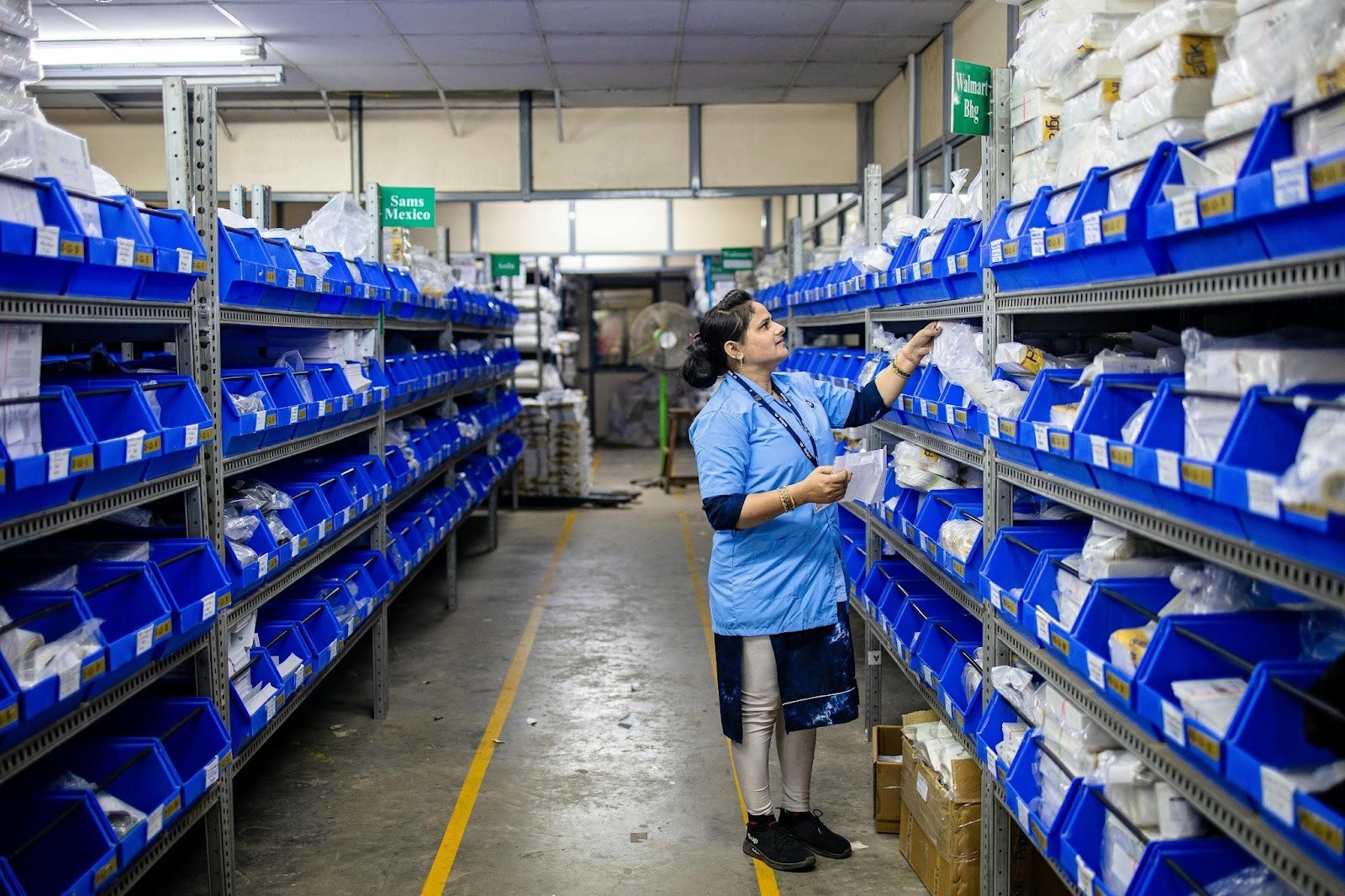
Using clear labels and color-coded bins can make a huge difference. Small visual cues help workers stay focused and reduce the mental load of a long shift. Simple changes like this often have the biggest impact on daily speed.
Reducing Labor Expenses Through Better Layouts
Labor typically makes up the largest chunk of a warehouse budget. If the layout is confusing, you are paying people to be lost. A smart floor plan ensures that every movement has a purpose.
Cross-docking is one way to reduce the time items spend in the building. By moving goods directly from receiving to shipping, you skip the storage phase entirely. This requires a very organized team to pull off successfully.
Automated tools can take over the most repetitive and boring tasks. This allows your human workers to focus on complex problems that machines cannot solve. It creates a more engaged workforce and lowers the turnover rate.
Maintenance and Equipment Longevity
Organized warehouses tend to have equipment that lasts longer. When aisles are clear, forklifts do not bump into racks or debris. This reduces the frequency of repairs and keeps the fleet in good working order.
Scheduled maintenance is easier to perform when everything has a designated spot. Tools are not lost, and technicians can get to the machines they need to fix. This proactive approach saves thousands of dollars in emergency repair bills.
Keeping a clean environment protects the inventory itself. Dust and grime can damage sensitive products or packaging. A tidy warehouse ensures that the product the customer receives is in perfect condition.
Scaling Your Operation for Future Growth
A well-organized warehouse is ready to grow at a moment’s notice. If your systems are solid, adding more inventory does not cause a collapse. You simply repeat the processes that are already working.
Flexibility is a major advantage in a shifting market. If a new product becomes a hit, an organized facility can shift its layout to accommodate the demand. This agility allows businesses to capture more sales without falling behind.
Using data to plan for the future helps avoid expensive surprises. By tracking how fast items move, you can predict when you will need more space. This gives you time to make smart decisions instead of rushing into a bad lease.

Taking control of your warehouse organization is a journey that pays off in every department. From the pickers on the floor to the managers in the office, everyone benefits from a clear system. It turns a chaotic storage room into a high-speed fulfillment engine.
Consistency is the final piece of the puzzle. Once you have a great layout and the right tools, you must stick to the plan. Keeping the warehouse organized is a daily task that ensures long-term success and lower costs.