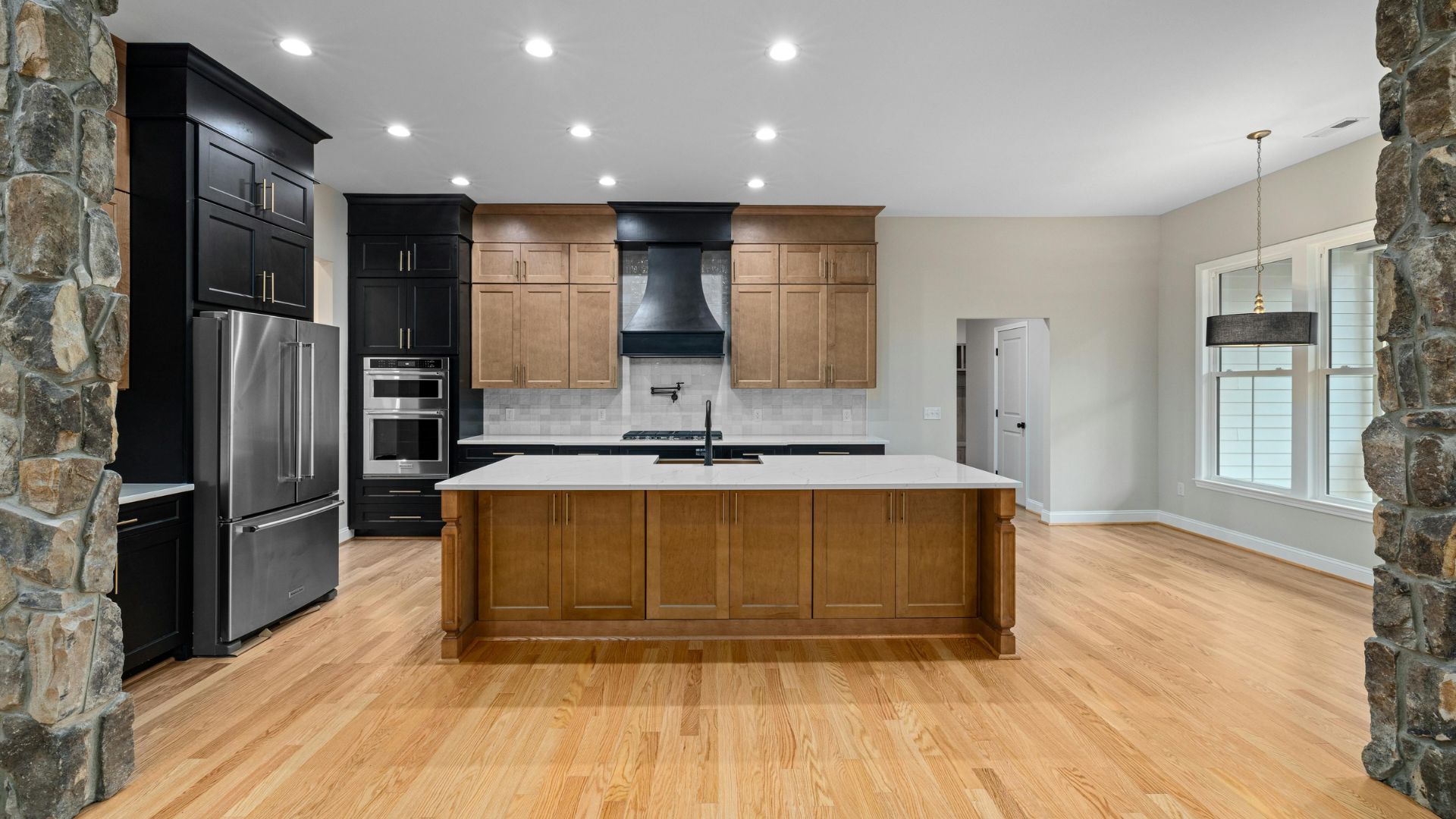
A kitchen renovation is one of the most rewarding upgrades you can make to your home—but it’s also one of the most complex. From layout decisions to budget planning and material selection, every choice affects functionality, style, and long-term value. Whether you’re modernizing an outdated space or creating your dream chef’s kitchen, careful planning is the key to success.
If you’re planning a kitchen renovation Maryland homeowners trust for quality craftsmanship and thoughtful design, working with experienced professionals can make all the difference. A well-executed kitchen remodel not only improves daily living but also significantly boosts your home’s resale value when done right.
1. Define Your Goals and Lifestyle Needs
Before you think about cabinets or countertops, start with why you’re renovating. Ask yourself:
- Do you need more storage?
- Is the kitchen too closed off or too small?
- Do you cook daily or mostly entertain guests?
Families may prioritize durable finishes and extra seating, while avid cooks might focus on high-performance appliances and workflow efficiency. Clear goals help prevent scope creep and ensure every decision supports how you actually use your kitchen.
2. Set a Realistic Budget (and Contingency)
Kitchen renovations can vary widely in cost depending on size, materials, and structural changes. Your budget should include:
- Design and planning
- Labor and construction
- Cabinets, countertops, and appliances
- Lighting and electrical upgrades
- A 10–15% contingency for surprises
Older homes especially may reveal hidden issues like outdated wiring or plumbing. Planning for this upfront avoids stress and delays later.
3. Choose the Right Layout
The layout determines how functional your kitchen will be. Common layouts include:
- Galley kitchens (great for efficiency in smaller spaces)
- L-shaped kitchens (flexible and open)
- U-shaped kitchens (maximizes counter and storage)
- Open-concept kitchens (ideal for entertaining)
Pay attention to the classic kitchen work triangle—the relationship between the sink, stove, and refrigerator. A well-balanced layout reduces unnecessary movement and improves flow.
4. Cabinetry: Style Meets Storage
Cabinets take up the most visual and physical space in a kitchen. Consider both aesthetics and usability:
- Shaker vs. flat-panel doors
- Painted vs. natural wood finishes
- Soft-close drawers and doors
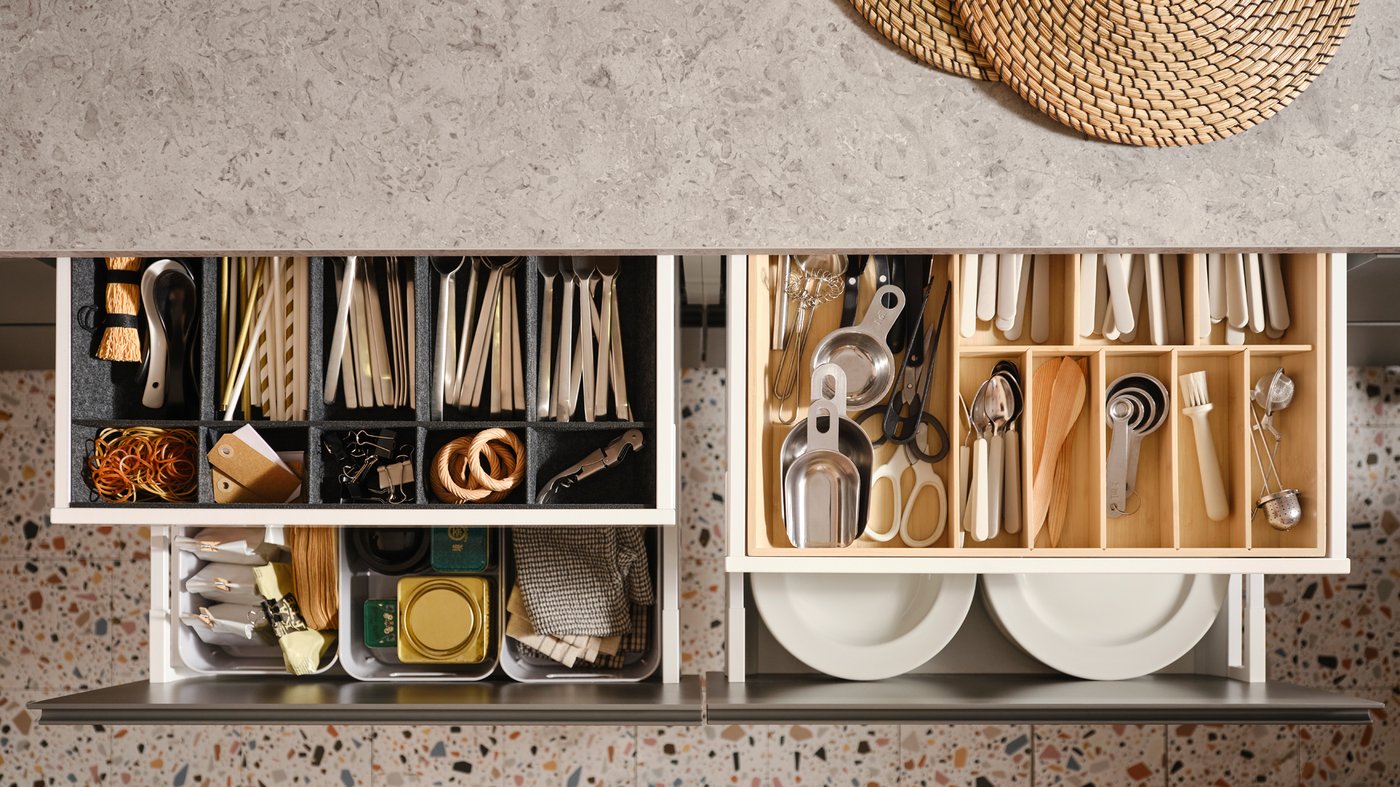
- Deep drawers for pots and pans
- Pantry cabinets for bulk storage
Custom or semi-custom cabinets cost more but allow better use of awkward spaces and personalized storage solutions. If this isn’t in your plans, cabinet refacing is a great option. It keeps your existing cabinet boxes but updates the doors, drawer fronts, and hardware, giving the kitchen a fresh look without the cost or downtime of a full replacement.

5. Countertops and Backsplashes
Countertops must be durable, easy to maintain, and visually appealing. Popular options include:
- Quartz – low maintenance and consistent look
- Granite – natural beauty and durability
- Marble – elegant but higher maintenance
Backsplashes add character and protect walls from moisture and heat. Subway tiles remain timeless, while bold patterns or natural stone can make a strong design statement.
6. Appliances and Technology
Modern kitchens often integrate smart technology. When selecting appliances, consider:
- Energy efficiency ratings
- Size and configuration
- Built-in vs. freestanding
- Smart features (Wi-Fi, touch controls, alerts)
Make sure appliance choices align with your layout and electrical capacity. Upgrading appliances without proper planning can lead to costly modifications.
7. Lighting Makes or Breaks a Kitchen
Good lighting improves both appearance and functionality. Aim for a layered approach:
- Ambient lighting (ceiling fixtures or recessed lights)
- Task lighting (under-cabinet lights for prep areas)
- Accent lighting (pendants or toe-kick lighting)
Lighting can dramatically change how finishes look, so always review samples under your actual lighting conditions.
8. Flooring and Durability
Kitchen floors need to handle spills, heavy foot traffic, and temperature changes. Popular choices include:
- Porcelain or ceramic tile
- Luxury vinyl plank (LVP)
- Engineered hardwood
Slip resistance, ease of cleaning, and durability should guide your decision as much as style.
9. Permits, Timelines, and Professional Help
Many kitchen renovations require permits for electrical, plumbing, or structural work. A professional design-build team helps manage:
- Code compliance
- Inspections
- Scheduling and trades coordination
This ensures your renovation runs smoothly and meets local regulations—saving you time, money, and headaches.
Final Thoughts
A kitchen renovation is a major investment, but with thoughtful planning and the right team, it can transform how you live in your home every day. By considering layout, materials, lighting, storage, and professional execution, you set yourself up for a successful project that’s both beautiful and functional.
If you’re exploring a kitchen renovation Maryland homeowners rely on for expert design and construction, partnering with experienced specialists ensures your kitchen isn’t just renovated—it’s reimagined for years of enjoyment.