Buying a home is one of the biggest investments you will ever make. It is easy to get caught up in the paint colors and kitchen tiles while ignoring the systems that keep the building standing. Infrastructure issues often hide behind walls or under the dirt.
New owners frequently overlook these critical components until a major failure occurs. Learning to spot these risks early can save you from massive repair bills later. Professional inspections are a start, but ongoing vigilance is what truly protects your equity over the long haul.
Failing to Manage Yard Slope
Many people do not look at the dirt around their house when they move in. Poor grading is one of the main causes of drainage problems in residential complexes. When the ground slopes toward your house, rain has nowhere to go but against your foundation.
This pressure leads to cracks and leaks that are very expensive to fix. You should check the perimeter of your home after a heavy storm to see where water sits. If you notice puddles against the siding, you need to add soil to create a downward slope away from the structure.
A proper slope should drop about 6 inches for every 10 feet of distance from the wall. This simple landscape fix keeps the soil near your basement dry and stable. It also prevents wood rot on the lower sections of your exterior framing.
Neglecting External Drainage Systems
Water pooling near the base of the home increases the risk of moisture problems and structural damage. Many people think a few puddles in the yard are harmless. You might need commercial-grade drain products such as those at Dura Trench to handle heavy runoff. Using the right materials ensures that water moves quickly into the proper channels. High-quality systems prevent the soil from becoming oversaturated and unstable.
Without a clear path for exit, water will eventually seep into the smallest concrete pores.
Installing a French drain or a trench system is a smart move for low spots. These systems use perforated pipes and gravel to catch underground water before it hits your walls. You should also make sure your yard drains do not point toward your neighbor’s property.
Ignoring Gutter Downspouts
Gutters are your first line of defense against water damage. Many people let their downspouts dump water right at the corner of the house.
You should use extensions to carry that water at least 5 feet away from the walls. If the water just sinks into the ground next to the basement, it will eventually find a way inside. Keeping these paths clear of leaves is a monthly chore that prevents overflow.
Clogged gutters cause water to spill over the sides, hitting the ground with a lot of force. This erosion can wash away the soil that supports your walkways or porch. You might also see basement leaks even if your roof is in good shape. Simple plastic or metal extensions are cheap and take only minutes to install. They are one of the most effective ways to protect your foundation from hydraulic pressure.
Forgetting About Backflow Prevention
Plumbing systems are designed to move waste in one direction only. Heavy rain or city sewer issues can sometimes force water back into your pipes.
You should include backflow prevention measures in your plumbing design and work with certified professionals to install and maintain these devices. These valves act as a one-way gate for your waste lines. Without them, a flood in the street could result in a sewage backup in your guest bathroom.
Testing these valves once a year is a good habit for any homeowner. Some systems are manual, while others work automatically when pressure changes. A backup is not just messy – it is a health hazard that requires professional cleaning.
Disregarding Foundation Settling Signs
Every house settles over time, but some movement is a warning of a larger failure. Small cracks might seem like a cosmetic issue that you can just paint over.
In 2026, foundation repairs increasingly integrate comprehensive drainage solutions rather than isolated repairs. Addressing the root cause of the shift is better than just patching the concrete. You should look for doors that no longer latch or windows that stick as early indicators of shifting.
If you see a crack wider than a nickel, it is time to call an expert. Horizontal cracks are usually more dangerous than vertical ones because they suggest the wall is bowing. Soil expansion and contraction are the primary drivers of this movement.
Overlooking Electrical Load Limits
Modern life requires a lot of power for gadgets, appliances, and electric vehicles. Older homes often have panels that cannot keep up with these new demands. You might trip breakers constantly if you run a microwave and a vacuum at the same time.
Upgrading your electrical service is a safety necessity to prevent overheating wires inside your walls. It is a good idea to have an electrician calculate your total load before you add new high-power appliances.
Loose connections in an old panel can cause arcing, which is a leading cause of house fires. If you hear a buzzing sound near your outlets, stop using them immediately. You should also avoid using too many power strips or extension cords for permanent items.
Skipping HVAC Maintenance
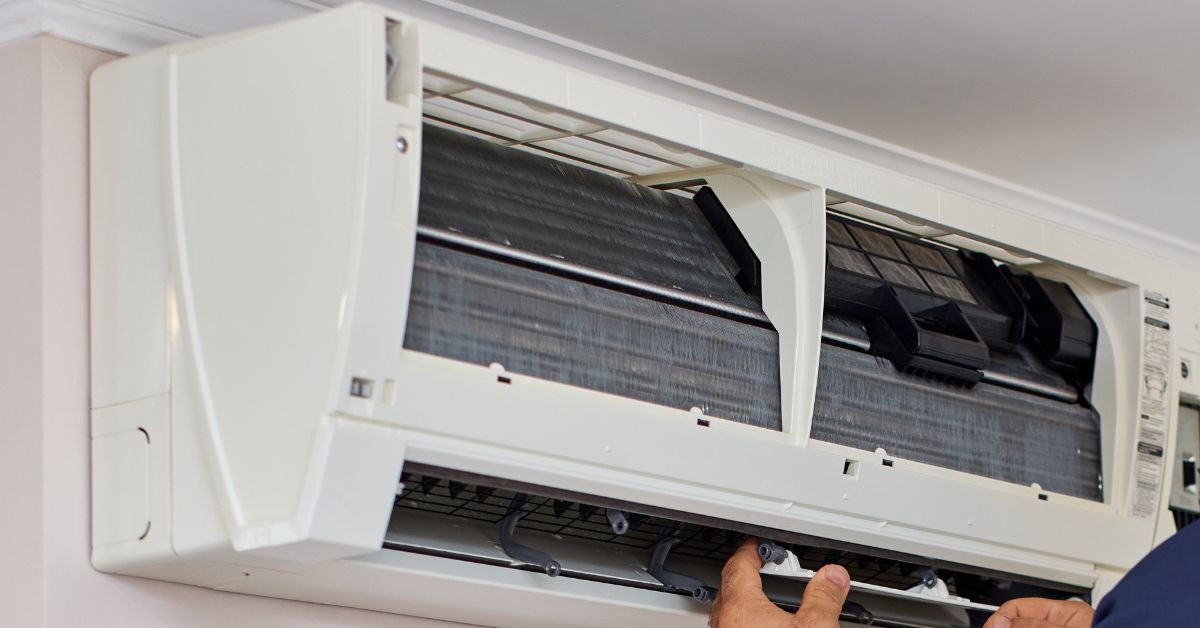
Your heating and cooling system is the lungs of your home. Many new owners forget to change filters or schedule annual tune-ups. A dirty system works harder and wears out much faster than a clean one. You can avoid the high cost of a total replacement by performing simple monthly checks.
Keep these items on your seasonal checklist:
- Swap out air filters every 90 days.
- Clear tall grass and debris from the outdoor condenser unit.
- Check the condensate drain line for clogs or slime buildup.
- Listen for unusual banging or whistling noises during startup.
- Inspect the ductwork for gaps or loose tape in the attic.
- Test your thermostat to ensure it reads the room temperature accurately.
A well-maintained unit can last 15 to 20 years. If you ignore it, you might be looking at a $10,000 bill much sooner.
Missing Roof Flashing Checks
The shingles on your roof are not the only thing keeping you dry. Flashing is the metal material installed around chimneys, vents, and valleys. These are the most common spots for leaks to start because they are where different surfaces meet. You should inspect these metal strips for rust or gaps every spring. If the sealant is cracking, you can often fix it with a small tube of roofing cement before a leak ruins your ceiling.
Strong winds can sometimes lift the edges of the flashing. Once water gets underneath, it can travel a long way before it shows up as a drip in your living room. You should use binoculars to check the roof from the ground if you are not comfortable on a ladder.

Staying ahead of these infrastructure needs keeps your home safe and valuable. Most of these mistakes are easy to avoid if you pay attention to the small details. You do not need to be an expert to walk around your property and look for signs of trouble.