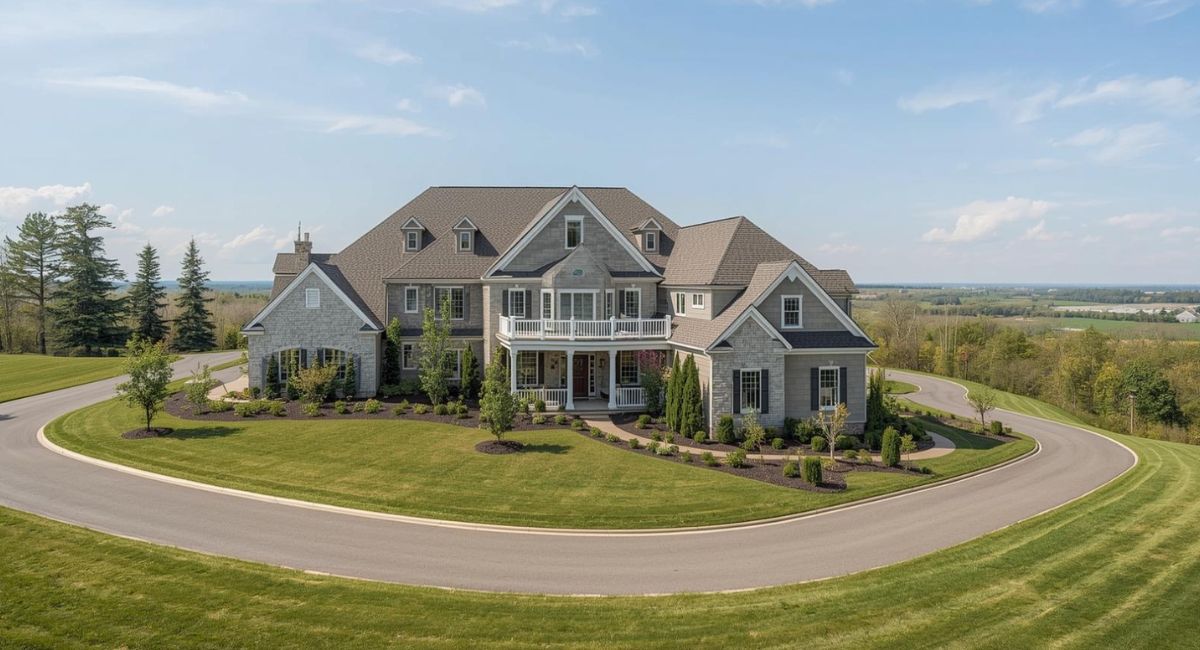
A smart exterior upgrade plan blends looks with function. Focus on the pieces people see first and the ones that shield your home from the weather. This guide breaks down practical projects that boost curb appeal, improve comfort, and support long-term value without overcomplicating your weekend.
Prioritize The Big Curb Appeal Hits
Start with elements that dominate the front view. A 2024 industry report from Builder noted that replacing a tired garage door delivered about a 194% average national return on investment – a rare case where value gained can outpace cost. That stat underscores a simple point: high-visibility replacements can punch above their weight.
Refresh High-touch Surfaces with Paint
Paint protects wood, metals, and masonry from the sun and moisture, and it cleans up the whole elevation fast. For cabinetry in outdoor kitchens or the garage, consider professional cabinet painting services to get factory-smooth results without the mess or missteps of DIY. Follow with fresh coats on trim, fascia, porch ceilings, shutters, and railings so the palette reads clean and consistent.
Upgrade Entry Doors for Performance and Style
Your front door sets the tone and blocks drafts. Fiberglass and steel units handle weather swings better than old wood, and modern thresholds plus compression weatherstripping can cut air leaks. Pair a durable slab with a smart deadbolt and wide-view peephole for everyday security.
Windows, Weather, and Comfort
If frames are solid, a tune-up can go far. Check for soft wood, loose trim, and cracked glazing, then scrape, prime, and repaint to seal out water. Replace worn weatherstripping and torn sweeps, and add exterior-grade caulk where siding meets casings to stop wind from sneaking in. Clear weep holes, lubricate hinges and sliders, and tighten latches so sashes close snug and quiet.
When panes and sashes are past their prime, efficient replacements make daily life better. Look for low-e double or triple pane units with insulated frames to cut drafts, glare, and street noise. A lower U factor slows heat loss, while the right solar heat gain number keeps rooms comfortable in your climate. In storm zones, choose impact-rated glass, and use tempered glass near doors and baths for safety.
Light The Approach and The Outdoors
Lighting guides footsteps, reduces trips, and adds nighttime charm. Mix path lights low to the ground with sconces at eye level and a single downlight at the entry to avoid harsh glare.
Aim for layered lighting
Use motion sensors near steps and dark corners so lights appear when needed, not all night. Choose warm white bulbs for a welcoming cast that also helps color read true at the door.
Hardscape, Paths, and Drainage
People notice where they walk first, so the path layout and water control need to work together. Reset loose or sunken pavers on a compacted base, add sturdy edging, and sweep in polymeric sand so joints lock tight and heels do not catch. Pitch walks and patios 1 to 2 percent away from the house, extend downspouts 6 to 10 ft with solid pipe, and use splash blocks or a trench drain where runoff crosses a walkway. For spots that stay wet, cut a shallow swale to guide water, or install a French drain with perforated pipe wrapped in fabric and gravel that discharges to daylight or a dry well, then top with turf or river rock for a clean finish.
Quick wins you can do in a weekend
- Swap a dented mailbox and mount numbers large enough to read from the street.
- Pressure wash siding, steps, and patio to lift mildew and stains.
- Add a doorbell camera at the main entry and a wedge mount to capture a wider view.
- Update house lights with sealed fixtures rated for wet locations.
- Replace cracked caulk where siding meets trim to block seepage.
- Tidy beds with a 2 in mulch refresh and a weed barrier where needed.
Plan Your Upgrades and Tap Incentives
Good planning saves money and time. Map projects season by season, then sequence work so trades do not undo each other, like painting after major carpentry and sealants after masonry cures. Federal guidance from the IRS explains that the Energy Efficient Home Improvement Credit can cover 30% of qualified costs for certain exterior components, with annual limits that include up to $250 per door and $500 total for exterior doors, and up to $600 for exterior windows and skylights. Document purchases, keep product labels, and save invoices so filing at tax time is straightforward.
Budget smarter with phased steps
- Group small fixes together to lower trip charges and material waste.
- Use a 70-20-10 split: 70% to high-impact items, 20% to protective maintenance, 10% to finishes that unify the look.
- Reserve 10% contingency for hidden damage behind trim or under pavers.
- Price both repair and replacement so you can compare true lifecycle costs.
- Check HOA rules and city permits early to avoid delays.
Materials that Match Your Climate

Choose materials that match your weather so they last longer and need less work. In coastal zones, pick corrosion-resistant fasteners and hardware – stainless steel or hot-dip galvanized – plus composite trim and fiberglass or vinyl doors that do not swell or rust. In freeze-thaw and high-rainfall areas, use permeable pavers, air-entrained concrete, flexible joint sand, and generous flashing so water drains and surfaces can move without cracking. In hot, high-UV regions, favor light-colored roofs, UV-stable paints and sealants, and decking that resists heat and fading; if you face high winds or wildfire risk, choose impact-rated windows, Class A roofing, ember-resistant vents, and noncombustible cladding like fiber cement or stucco.
Make Maintenance Effortless
Upgrades pay off when they are easy to keep up. Choose finishes that wipe clean with mild soap and water, pick exterior hardware that resists rust, and label paint cans with room and date so touch-ups stay simple. Build a seasonal rhythm – spring and fall – to rinse gutters, clear window and door weep holes, oil gate and garage hinges, test GFCI outlets, and reset motion lights so they trigger only when needed. Where it fits your roof and trees, add leaf guards and gutter strainers, keep spare bulbs and a quart of matching trim paint on hand, and stash a small kit with caulk, screws, and a multi-bit driver so quick fixes happen before they turn into projects.
A thoughtful exterior plan is less about grand gestures and more about stacking solid moves. Lead with curb appeal, protect the shell, and use light to make the path clear. With the right order and a steady pace, your home will look better, feel safer, and work harder for years.