One of the most neglected parts of the property and facility management is its roof, yet it is one of the most important investments that a homeowner or a facility manager can make. Having a well-maintained roof does not only cover your building against the elements, but also guarantees your whole property investment, avoids the expensive emergency repairs and extends your roofing for a flat roof (lamekatuse) system by many years or even decades.
This paper will discuss why roof management is so important and how preventive maintenance will save you thousands of dollars in the long run.
Understanding the True Cost of Roof Neglect
Not all property owners are aware of the financial consequences of not taking care of their roofs until there is a crisis. What would otherwise have cost a few hundred dollars to repair due to a leakage, might turn into tens of thousands in damage to the structure. Insulation Water infiltration undermines insulation, encourages the growth of moulds, destroys interior walls and ceilings and may even compromise the foundation of your building.
Statistics are strong: research indicates that properties with regular maintenance programs on roof coverages incur 40-60 per cent on emergency repairs compared to the ones that do not get preventive care. This is not an accident, but a direct consequence of the ability to prevent and solve the issues before they lead to disasters.
With the preventive roof maintenance strategies, you are not merely repairing the problems as they come up. You are introducing the systematic approach to finding the vulnerabilities, eliminating them in time and increasing the lifecycle of your roofing for flat roof system. Such a proactive position makes the management of the roof more of an investment rather than a cost center.
The Economics of Preventive Roof Management
The idea of preventive roof management is based on a simple and efficient economic principle: small but systematic investment now can prevent huge costs in the future. An already great commitment of a long-term, be it a residential or commercial property, the installation of a quality roof already is a huge investment that needs to be safeguarded upfront. Frequent preventive services, including routine inspections and minor repairs demand relatively little effort and resources, but they are of vital importance to ensure the structural integrity of the roof.
On the one hand, minor problems can grow into severe ones when there is no maintenance and require immediate work, causing inconvenience, as well as putting unwarranted pressure on the budgets. In most instances, carelessness also reduces the total life span of the roof thus causing it to be replaced much earlier than necessary. The reasoning is simple: a well-maintained preventive care of the roofs is a great way to extend the service life, diminish the risk and make sure that roof offers the best value in the long run without the economic shock of the significant repair or the replacement.
Key Components of Effective Roof Management
A comprehensive roof management program includes several essential elements:
- Regular Inspections
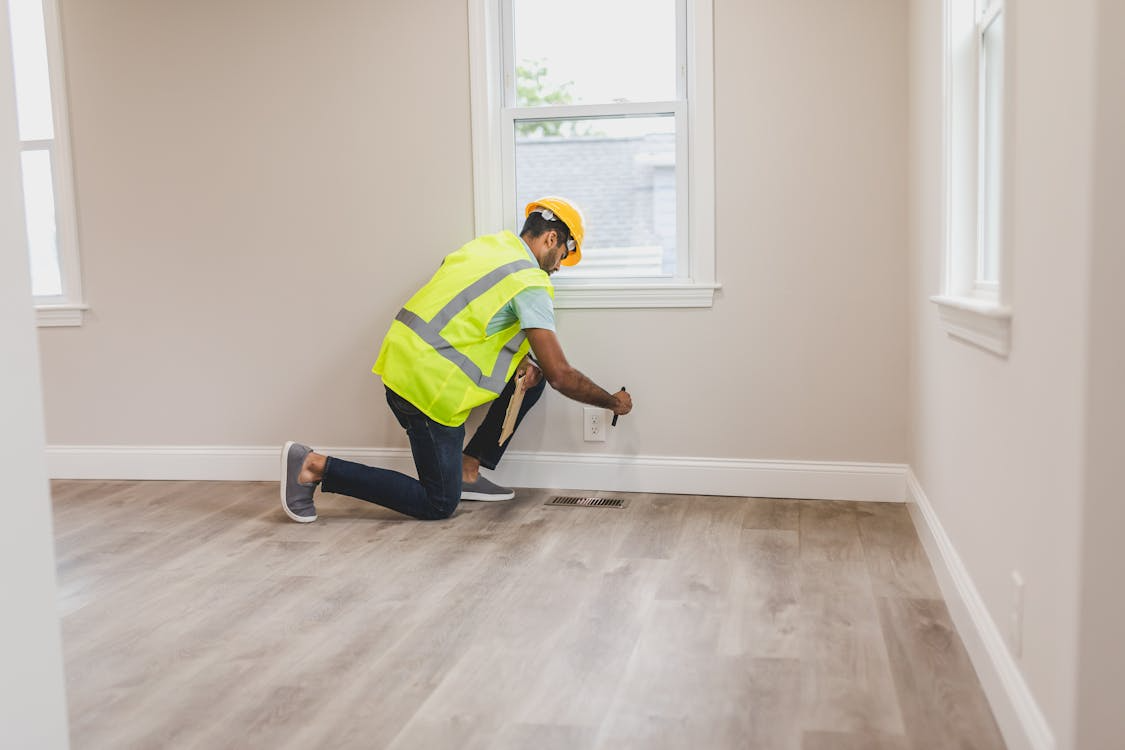
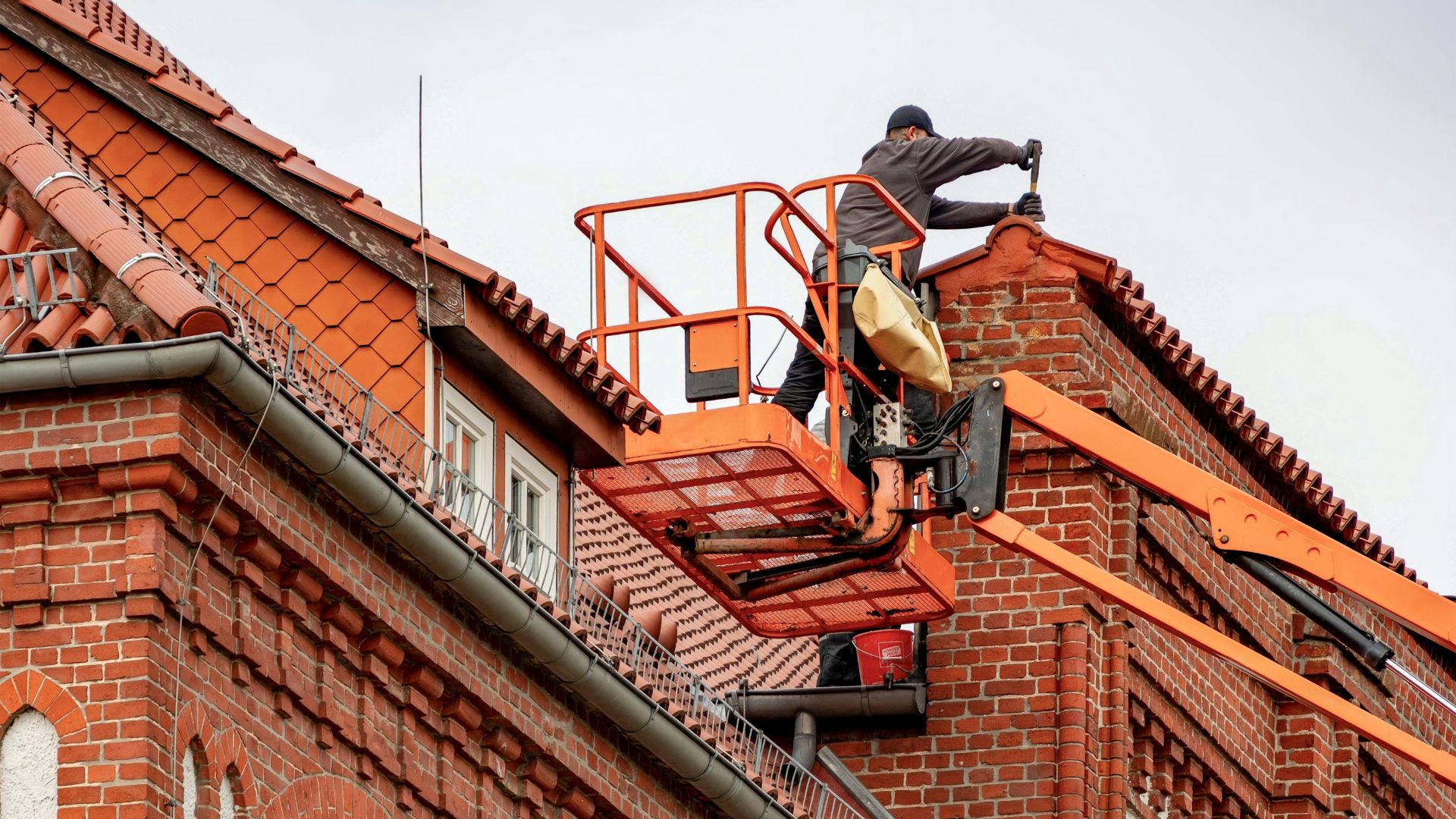
The roof is supposed to be inspected by professionals at least two times in a year, usually in spring and fall, as well as following extreme weather conditions. In such inspections, qualified technicians would evaluate the status of the roofing material stores, observe whether they are in good conditions, inspect flashing and seals, and determine areas where problems might arise and then prevent them before they get into serious issues.
- Material Selection and Quality
The nature of the roofing materials store used is a huge determinant of the maintenance and the roof life cycle. Bituminous roofing has continued to be a huge favorite in terms of longevity and affordability among the residential and commercial endeavors. In terms of materials, one should know the difference between the different options and how they will be maintained.
In cases of flat roofs, the choice of the material is very important. The flat roof system roofing needs have to be considered in a different way as opposed to the pitched roofs, such as enhanced drainage and UV protection. The roofing felt cost and roofing bases has a direct impact on the quality of your roof performance in the long run.
- Prompt Repairs
When flaws during inspections are found, be it broken flashing or damaged sealant or poor insulation, dealing with the problems that arise immediately will ward off water intrusion and subsequent damage. Minor repairs are much cheaper compared to letting the issues escalate.
- Seasonal Maintenance
Various seasons are associated with different challenges. The spring inspections are aimed at winter damage and clearing of debris. Fall maintenance makes your roof ready in winter. Summer inspections are done to make sure that drains operate well, and winter inspections are done to check the problems of ice dams and snow loads.
Understanding Roofing Materials and Costs
In estimating the management techniques of your roof, it is important to know your roofing materials. Various materials require various maintenance and maintenance lifespan:
- Asphalt Shingles: This is the most popular type of roofing used in a home which is normally expected to last 15-20 years in case of proper maintenance. Frequent checks are to determine curling, cracking, or unattached shingles to prevent leakages.
- Metal Roofing: Gaining popularity as it is durable and can be used in conserving energy. Metal roofs require minimum maintenance because they can last up to 40-70 years under the condition that they are periodically inspected to make sure that fasteners are tight and sealants are intact.
- Flat Roof Systems: Commercial buildings frequently employ flat cover roof systems that are constituted of bituminous materials or membrane systems. They should have more frequent checkups with possible risks of water pooling and in most cases the recoating will only have to be done after every 5-10 years.
- Roof Insulation: Insulation should be done properly to influence the energy efficiency and moisture management. Knowledge of the price of roof insulation will assist you to make wise judgments on upgrades that will enhance performance without being expensive.
In case of sourcing materials, having a reputable roofing materials store will at least assure you of the fact that you are dealing with a good material which will work as anticipated, and that it will also mix with your system.
The Role of Professional Roof Management Services
While some homeowners attempt DIY roof maintenance, professional roof management services offer significant advantages:
Expertise: Trained professionals recognize problems that untrained eyes miss. They understand how different roofing systems function and what warning signs indicate emerging issues.
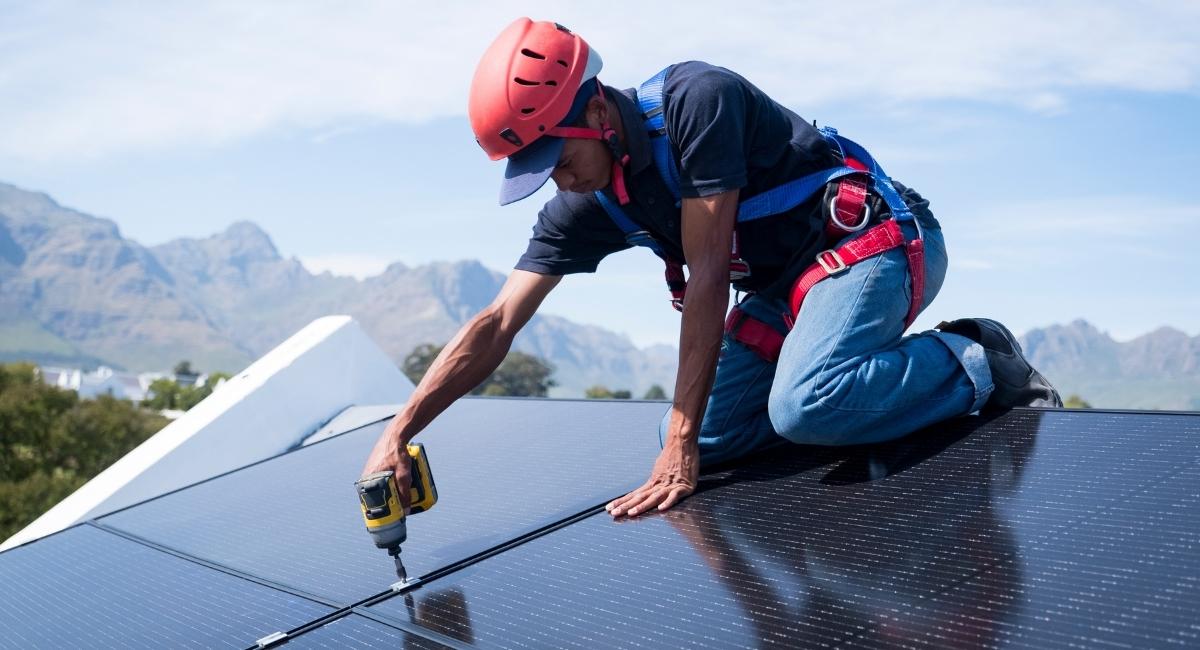
Safety: Roof work is inherently dangerous. Professional services have proper equipment, training, and insurance to work safely at heights.
Comprehensive Approach: Professional services provide systematic inspections, detailed documentation, and coordinated repairs that ensure nothing is overlooked.
Warranty Protection: Many roofing warranties require professional installation and maintenance. DIY work can void these protections.
Cost Efficiency: Professional services can often source materials at better prices than homeowners can obtain, and their expertise prevents costly mistakes.
Turnkey Roofing Solutions
Turnkey roofing services offer complete management solutions to property owners who want all-inclusive solutions. These services are usually initial assessment, material selection, professional installation, and maintenance program. The turnkey solutions make it easy because all the roofing requirements are all put into one vendor and this guarantees uniformity and responsibility.
Long-Term Financial Benefits
The financial advantages of roof management go far beyond simply avoiding emergency repairs. A well-maintained roof with effective insulation improves energy efficiency by reducing heat loss in winter and minimizing cooling demand in summer, which directly lowers utility costs. Proper roof care also enhances property value, as buildings with well-maintained roofs are more attractive to buyers and tenants, while poorly maintained roofs often become deal-breakers in real estate transactions.
From an insurance perspective, documented roof maintenance programs can lead to lower premiums or favorable coverage terms, whereas neglected roofs often result in higher costs or coverage restrictions. For commercial properties, proactive roof management ensures operational continuity by preventing unexpected failures that can disrupt business activities, damage inventory, and create safety or liability concerns. Additionally, extending the lifespan of a roof through preventive maintenance supports sustainability by reducing construction waste and minimizing the environmental impact associated with premature roof replacement.
FAQs about Roof Management
- How often should I have my roof inspected?
Professional inspections should occur at least twice annually—spring and fall—plus after severe weather events. Some properties in harsh climates benefit from quarterly inspections.
- What’s the average cost of roof maintenance?
Residential roof maintenance typically costs $300-$1,000 annually. Commercial properties usually spend $1,000-$5,000 annually, depending on roof size and complexity.
- Can preventive maintenance really extend my roof’s lifespan?
Yes. A well-maintained roof can last 5-10 years longer than a neglected roof. Regular maintenance prevents small problems from becoming major issues that compromise the entire system.
- What’s the difference between bituminous roofing and other materials?
Bituminous roofing uses asphalt-based materials and is cost-effective and durable. It’s particularly popular for flat roofs and commercial applications. Other materials like metal or slate have different performance characteristics and maintenance requirements.
- Should I repair or replace my roof?
Generally, if your roof is less than halfway through its expected lifespan and damage is localized, repair is more economical. If the roof is nearing the end of its life or damage is extensive, replacement may be more cost-effective.
Conclusion
Roof management isn’t an optional expense—it’s a strategic investment that protects your most valuable asset. By implementing preventive maintenance programs, you avoid costly emergency repairs, extend your roof’s lifespan, improve energy efficiency, and maintain property value. The question isn’t whether you can afford preventive roof maintenance; it’s whether you can afford not to invest in it.
The difference between a property owner who manages their roof proactively and one who waits for problems to emerge can easily be tens of thousands of dollars over a decade. Start with a professional assessment, establish a regular maintenance schedule, and commit to addressing issues promptly. Your future self—and your bank account—will thank you.
For comprehensive roofing solutions and expert guidance on developing your roof management strategy, consider consulting with RoofMaster professional services to ensure your property receives the protection it deserves.