In luxury architecture, railings are often treated as supporting elements rather than design
features. However, in traditional mansion design, railings play a critical role in defining elegance,
craftsmanship, and historical character. Whether used on grand staircases, balconies, terraces,
or verandas, the right railing style can elevate a mansion from impressive to timeless.
Traditional railing designs have endured for centuries because they balance beauty, function,
and architectural harmony. Below are classic railing styles every mansion should consider when
aiming for refinement and lasting appeal.
Wrought Iron Railings
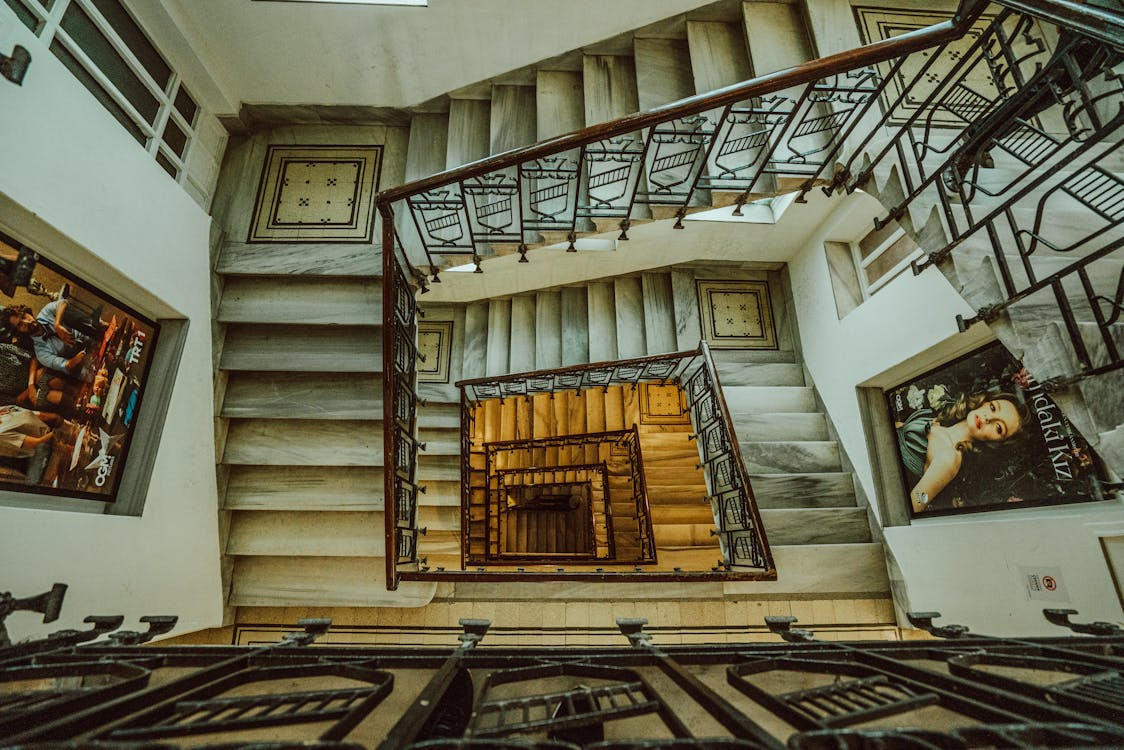
Wrought iron railings are perhaps the most iconic choice for traditional mansions. Known for
their strength and intricate detailing, they are commonly associated with European estates,
classical villas, and historic townhouses.
What makes wrought iron special is its versatility. Scrollwork, floral motifs, twisted balusters, and
custom crests can all be incorporated without overwhelming the structure. These railings are
ideal for grand staircases, Juliet balconies, and formal outdoor terraces.
Beyond aesthetics, wrought iron offers durability and longevity. When properly treated and
maintained, it can last for generations while retaining its stately charm.
Stone and Balustrade Railings
Stone balustrades are a defining feature of classical architecture. Often seen in Renaissance,
Baroque, and neoclassical mansions, this railing style conveys permanence and grandeur.
Typically composed of evenly spaced stone balusters topped with a substantial handrail, stone
railings work beautifully along balconies, roof decks, garden stairways, and sweeping front
staircases. Materials such as limestone, marble, and cast stone add texture and visual weight
that complement large scale residences.
Stone balustrades are best suited for mansions with expansive facades and symmetrical
designs, where their solid presence enhances the overall architectural composition.
Wooden Railings with Carved Details
Wooden railings bring warmth and craftsmanship to traditional interiors. In mansions inspired by
colonial, Victorian, or classic European styles, carved wood railings often serve as focal points
within grand stair halls.
Rich hardwoods like mahogany, oak, or walnut are commonly used, featuring turned balusters,
decorative newel posts, and hand-carved details. These elements represent classic traditional
railing components that emphasize artisanal skill and timeless design.
Wood railings require attentive maintenance, but their natural beauty and tactile quality make
them a lasting choice for formal interiors.
Brass and Bronze Railings
For mansions seeking understated luxury, brass and bronze railings offer refined elegance
without excessive ornamentation. These metals develop a natural patina over time, adding
depth and character.
Often used in interior staircases, mezzanines, or private galleries, brass railings work especially
well in neoclassical and Beaux Arts-inspired homes. Simple vertical balusters, geometric
patterns, and polished handrails allow the material itself to take center stage.
When paired with marble flooring or richly textured walls, brass and bronze railings create a
sophisticated and cohesive interior aesthetic.
Cast Iron Railings
Cast iron railings differ from wrought iron in that they are molded rather than hand forged. This
allows for repeating patterns, classical motifs, and symmetrical designs that align well with
formal architecture.
Commonly used in Victorian and early 20th century mansions, cast iron railings often feature
floral designs, medallions, and geometric forms. They are particularly effective for balconies,
verandas, and exterior staircases.
Their solid construction and decorative appeal make cast iron railings a practical yet elegant
option for traditional estates.
Glass with Traditional Frames
While glass may seem modern, it can be incorporated into traditional railing designs when
framed with classic materials. Glass panels combined with wood, iron, or bronze frames allow
for unobstructed views while maintaining a formal appearance.
This approach is especially useful for mansions with scenic surroundings, such as gardens or
waterfronts, where visibility enhances the experience. The key is to use traditional framing
details so the railing remains consistent with the mansion’s overall design language.
Choosing the Right Style
Selecting the appropriate railing style depends on the mansion’s architectural theme, scale, and
location. A coastal estate may favor stone and iron, while a heritage inspired residence might
highlight wood craftsmanship. Interior and exterior railings should complement each other to
create a unified visual narrative.
Traditional railing styles are not about trends. They are about legacy. When chosen thoughtfully,
they contribute to a mansion’s identity and ensure its beauty stands the test of time.
By investing in classic railing designs, homeowners preserve the elegance, dignity, and
architectural integrity that define true luxury living.