
Key Takeaways
- Regular tree maintenance promotes safety and enhances property aesthetics.
- Understanding local tree species and their specific needs is crucial.
- Proper pruning and watering techniques are vital for tree health.
- Recognizing signs of disease and pest infestations can prevent tree loss.
- Consulting with certified arborists ensures professional care and advice.
Table of Contents
- Understanding Local Tree Species
- Pruning Techniques for Optimal Growth
- Watering Guidelines During Dry Periods
- Identifying and Managing Tree Diseases
- Seasonal Tree Care Tips
- When to Seek Professional Tree Services
- Frequently Asked Questions
- Conclusion
Maintaining healthy trees is essential for enhancing property value, ensuring safety, and preserving the natural beauty of Grand Rapids, MI. For comprehensive tree care solutions, homeowners can rely on tree services in Grand Rapids MI. Big Chipper Tree Service has been serving West Michigan for over 36 years, offering tree removal, trimming, pruning, stump grinding, and 24/7 emergency tree service. Their experienced team works with homeowners and businesses to remove hazardous trees, clean up storm damage, and maintain healthy, well-structured trees.
Understanding Local Tree Species
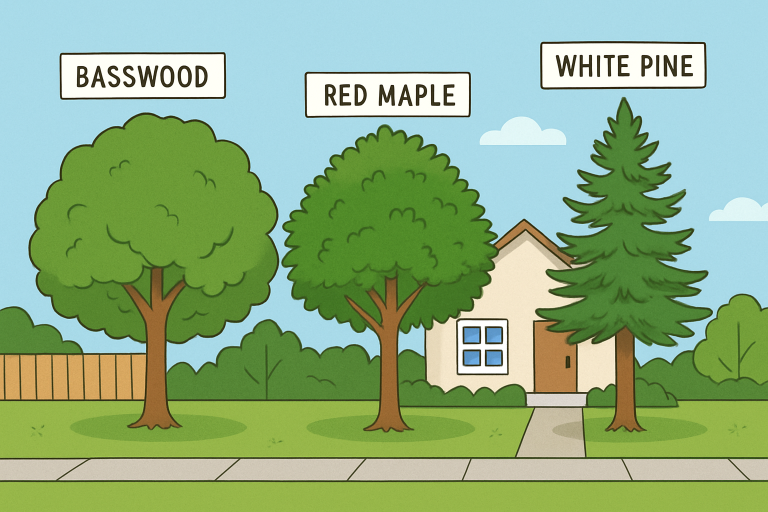
Grand Rapids boasts a diverse range of tree species, each with unique characteristics and care requirements. Common species include:
- American Basswood (Tilia americana): Known for its fragrant yellow blossoms that attract pollinators.
- Red Maple (Acer rubrum): Celebrated for its vibrant red foliage in autumn.
- Eastern White Pine (Pinus strobus): A native evergreen providing year-round greenery.
Familiarizing yourself with these species helps in implementing appropriate care strategies. Observing how these trees adapt to Grand Rapids’ climate can help you select the right species for your yard, based on sunlight requirements, soil preferences, and expected growth habits. Understanding mature size can prevent overcrowding, which can lead to poor air circulation and the spread of disease.
Pruning Techniques for Optimal Growth
Proper pruning enhances tree health and safety. Key practices include:
- Timing: Prune in late winter or early spring, when trees are dormant, to minimize stress.
- Technique: Remove dead or diseased branches to prevent decay and promote healthy growth.
- Safety: Ensure branches are pruned away from power lines and structures to prevent hazards.
For detailed pruning guidelines, refer to the City of Grand Rapids Forestry Department. Make sure to use clean, sharp tools to prevent injuries and the spread of pathogens. Always prune just outside the branch collar, avoiding stubs.
Watering Guidelines During Dry Periods
During dry spells, adequate watering is crucial. The City of Grand Rapids recommends:
- Watering young or newly planted trees with up to 15 gallons per week.
- Applying water slowly to allow deep soil penetration.
- Watering under the tree canopy for established trees, moving the hose every few hours.
For more information, see the city’s advice on watering trees during dry conditions. Applying mulch around the base of your tree can reduce evaporation, keep roots cool, and improve soil quality. Keep mulch a few inches from the trunk to avoid moisture buildup around the bark, which can promote decay.
Identifying and Managing Tree Diseases
Early detection of diseases like oak wilt is vital. Signs include:
- Wilting leaves.
- Discoloration.
- Premature leaf drop.
To prevent the spread of oak wilt, avoid pruning oak trees between April 15 and July 15. For more details, visit the City of Grand Rapids Forestry Department. In addition to oak wilt, be vigilant for other common pests in the area, such as emerald ash borer and gypsy moths, which can quickly devastate tree populations. Implementing proactive monitoring and treatment plans, such as regular trunk inspections or the use of pheromone traps, can detect infestations before they cause irreparable damage.
Seasonal Tree Care Tips
Adapting tree care to the seasons ensures year-round health:
- Spring: Inspect for winter damage and begin pruning.
- Summer: Monitor for pests and diseases; ensure adequate watering.
- Fall: Prepare trees for winter by mulching and final pruning.
- Winter: Prune dormant trees and plan for spring planting.
Additionally, avoid using salt-based deicers near trees in winter, as salt can damage root systems and alter soil chemistry. In spring, apply compost or a slow-release fertilizer tailored to your specific tree species, but avoid excessive fertilization, which can lead to weak, spindly growth. During autumn, proper leaf cleanup can also reduce fungal diseases that may overwinter in fallen debris.
When to Seek Professional Tree Services
Some tree-related situations demand expert intervention to ensure safety and proper maintenance. These situations include removing large or dangerous trees, treating trees affected by disease or pests, and pruning branches near power lines. In Grand Rapids, Big Chipper Tree Service offers full tree care, staffed by certified arborists who understand the local environment. Engaging specialists helps minimize accidents and guarantees that problems are accurately identified and resolved, keeping your trees healthy and valuable assets on your property for years.
Frequently Asked Questions
How often should I water my trees during a drought?
Young trees should receive up to 15 gallons of water per week. Established trees benefit from deep watering under the canopy, ensuring soil saturation.
When is the best time to prune trees in Grand Rapids?
Late winter to early spring is ideal, as trees are dormant, reducing stress and promoting healthy growth.
How can I identify if my tree is diseased?
Look for signs like wilting leaves, discoloration, and premature leaf drop. If unsure, consult a certified arborist for assessment.
Is it necessary to hire a professional for tree removal?
For large, hazardous trees near structures, professional services ensure safety and proper removal techniques.
What are the benefits of regular tree maintenance?
Regular care enhances tree health, prevents potential hazards, and improves property aesthetics and value.
Conclusion
By following these guidelines, homeowners in Grand Rapids can ensure their trees remain healthy, safe, and beautiful year-round. Proactive, consistent tree care not only enhances curb appeal but also supports local wildlife and improves air quality throughout the community. Building a relationship with reputable local arborists or tree service providers can grant you access to timely advice, emergency services, and ongoing support, ensuring that your landscape flourishes for generations to come. Remember, an investment in your trees is an investment in the long-term well-being and value of your property.


