Building an Accessory Dwelling Unit can feel overwhelming at first, especially for homeowners who have never managed a construction project before. That’s where working with an experienced adu company makes a difference. Instead of coordinating architects, engineers, permit offices, contractors, and subcontractors separately, you work with one organized team that guides the entire process from concept to completion. A company like OneStop ADU helps homeowners navigate local regulations, select the right design, and move smoothly into construction without unnecessary delays.
An ADU project usually begins with a property evaluation to determine setbacks, available space, access points, and utility requirements. From there, the company helps match or customize a design based on how the space will be used—whether for rental income, family members, or extra living space. Once the design is approved, detailed planning begins, including sewer connection planning, structural considerations, foundation type, and material choices.
Throughout the process, communication is key. Homeowners can ask questions and receive updates without needing to manage multiple vendors. This approach removes confusion and stress while providing a clear path toward completing the project. The goal isn’t just to build another structure—it’s to create a functional, long-lasting, and comfortable living space that fits naturally into the property.
Design, Permits, and Construction Support
One of the biggest challenges in building an ADU is the permit process. Each city or county has unique rules that must be followed, including setbacks, maximum size limits, height restrictions, fire separation requirements, and utility guidelines. A professional ADU team knows how to prepare and submit complete, accurate permit applications, which reduces the chance of costly revisions or delays.
Design support ensures the floor plan fits the homeowner’s needs while staying within local regulations. Some homeowners need an accessible layout for aging parents, while others prioritize a rental-friendly design with a full kitchen and private entry. Good design anticipates storage needs, furniture layout, durable materials, and long-term maintenance.
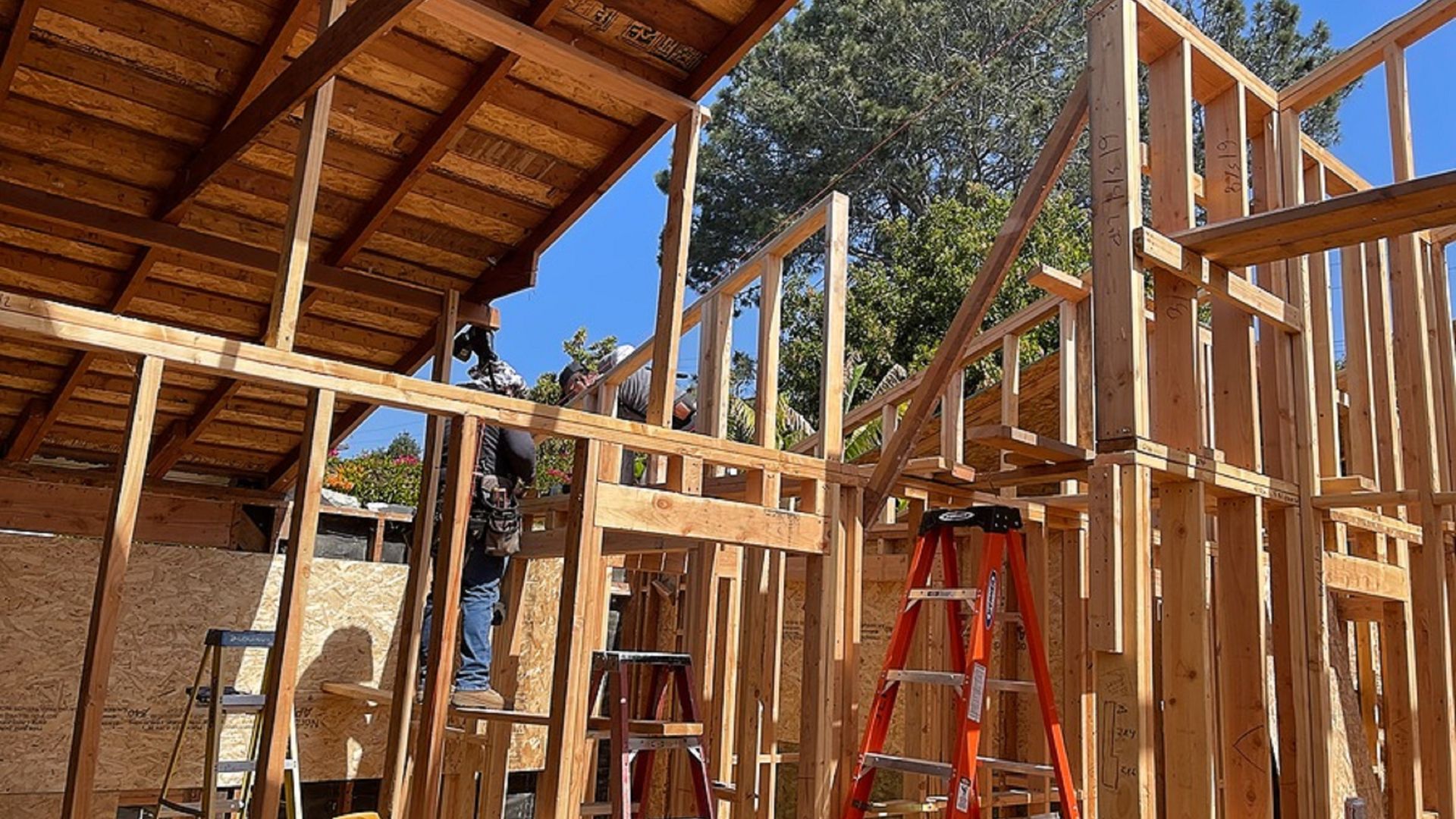
Once permits are secured, construction support begins. This includes coordinating contractors, scheduling inspections, tracking materials, overseeing budgeting, and ensuring timelines are followed. Without this level of coordination, homeowners risk unexpected delays, budget overruns, or miscommunication between trades. Working with a dedicated team keeps the project organized and predictable.
How Working With a Single Team Helps Keep Costs and Timelines Clear
Managing an ADU build through separate vendors can quickly become complicated. Different teams may have conflicting timelines, unclear pricing, or inconsistent communication. Working with one coordinated team simplifies everything. Homeowners know who to contact, how progress is measured, and what to expect next.
A single ADU company can also provide cost transparency early in the planning process. Instead of surprise expenses appearing later, budgeting is mapped out from the start, including construction costs, finishes, utility connection fees, and permit expenses. This helps homeowners make informed decisions and avoid overspending.
Timeline clarity is another advantage. When the same team manages the workflow, tasks happen in a logical order—design, permits, foundation, framing, electrical, plumbing, finishing, then final inspections. This structure reduces downtime and confusion between stages.
Ultimately, working with one organized team keeps the ADU project moving forward while protecting the homeowner’s time, finances, and peace of mind. The process feels smoother, decisions are easier, and the final result is a well-built, thoughtfully designed space ready for long-term use.