Soft Sage Sherwin Williams SW 9647 – 2026 Designer Guide

There’s something quietly magical about Soft Sage Sherwin Williams SW 9647. Imagine the gentle calm of a morning garden, the muted green of sage leaves brushed by soft sunlight — that’s exactly the feeling this color brings into your home. For anyone looking for a neutral that feels alive yet subtle, Soft Sage offers the perfect balance: not too bold, not too pale, but just enough personality to transform a room into a sanctuary.
In this guide, we’ll dive deep into every aspect of Soft Sage — from its color nuances and lighting behavior to room-by-room ideas, pairing suggestions, painting tips, and comparisons with other iconic Sherwin Williams shades like Drift of Mist, Outerspace, and even Caviar vs Tricorn Black. By the end, you’ll understand why this muted green-gray is a favorite for 2026 interiors.
Understanding Soft Sage SW 9647
Soft Sage is more than just green. It’s a muted, earthy tone that balances gray and yellow undertones. This gives it a warm yet sophisticated feel, making it a perfect choice for spaces that need color without overwhelming the eye. Unlike bright or lime greens, Soft Sage whispers elegance — it’s soft, grounded, and versatile.
- HEX: #BEC5B2
- RGB: 190, 197, 178
- LRV: 50 — meaning it reflects medium light, brightening rooms subtly.
- Undertones: Gray and soft yellow, which keep it neutral yet inviting.
Think of it as the color of a morning mist over a sage garden — neutral enough to pair with nearly anything, yet with enough depth to hold its own against richer tones like Outerspace or Caviar.
How Lighting Shapes Soft Sage
Lighting is key to understanding Soft Sage. Its undertones reveal themselves differently depending on the room’s exposure:
This adaptability makes it perfect for almost any space in your home, whether you want a lively, airy feel or a serene, relaxing vibe, and it pairs beautifully with other versatile shades like Light French Grey Sherwin Williams for added depth and elegance.
Room-by-Room Inspiration
Soft Sage works beautifully in nearly every room, and how you style it can shift the mood completely.
Living Rooms
Picture a living room with sunlight streaming over a sage-green wall. Paired with warm wood furniture, linen cushions, and neutral rugs, Soft Sage creates a restful yet sophisticated backdrop. Accent it with Drift of Mist pillows or a vase in Outerspace to add subtle depth without overpowering the soft green.
Bedrooms
Soft Sage transforms bedrooms into serene sanctuaries. Layer soft textures — think boucle throws, linen bedding, and natural fiber rugs — to enhance its earthy calm. It pairs beautifully with crisp whites or muted beiges, allowing you to create a space that’s both cozy and elevated.
Kitchens & Dining Areas
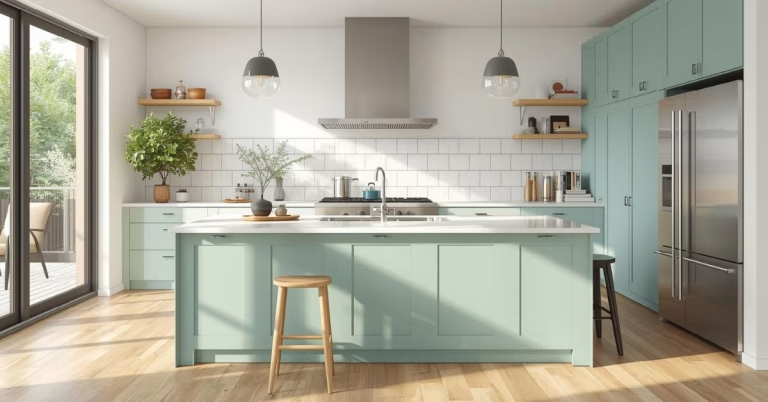
Kitchens benefit from Soft Sage’s gentle warmth. On cabinets or walls, it pairs effortlessly with white countertops, brass hardware, and wood accents. Consider a dining space with sage walls, natural wood chairs, and Outerspace-colored decor for a sophisticated, modern vibe.
Bathrooms
Soft Sage in a bathroom instantly brings a spa-like atmosphere. Combine it with white fixtures, stone tiles, and woven baskets for texture. Even small bathrooms can feel expansive if you complement the soft green with crisp trim and mirrors that reflect light.
Home Offices & Hallways
In offices, Soft Sage fosters focus and calm, while hallways feel welcoming without being stark. Pair with warm wood floors and minimal artwork to maintain serenity. For contrast, you can even add Caviar vs Tricorn Black elements like picture frames or shelving — the deep tones really make Soft Sage pop.
Pairing Ideas
Soft Sage’s beauty is in its versatility:
Even richer tones like Outerspace or Caviar can work for dramatic contrast, making Soft Sage a perfect canvas for layered, high-end design.
Painting Tips
Comparing Soft Sage to Other Sherwin Williams Colors
To fully appreciate Soft Sage, it helps to compare it with similar or complementary shades:
- Drift of Mist SW 9166: Softer gray undertones; cooler than Soft Sage.
- Outerspace SW 6251: Deep blue contrast; use Soft Sage as a grounding wall color.
- Caviar SW 6990 vs Tricorn Black SW 6258: Deep blacks bring dramatic depth when paired with Soft Sage’s muted green.
These comparisons help you design a balanced 2026 interior palette, ensuring that Soft Sage always shines in harmony with other colors.

What Is the Undertone of Soft Sage?
Soft Sage SW 9647 has a delicate balance of gray and yellow undertones, giving it a warm, muted, and natural feel. This combination allows it to appear soft and earthy without leaning too green or too gray. Its subtle undertones make it versatile for various lighting conditions, so it feels cozy in the morning light and serene in cooler, shaded rooms. That’s why designers love using it as a neutral base that adds personality without overwhelming the space.
What Colors Go Well With Sherwin Williams Soft Sage?
Soft Sage pairs beautifully with both neutrals and muted accent shades. Crisp whites, warm beiges, soft blues, and earthy tones all complement its muted green-gray personality. You can even introduce deeper accents like Outerspace or Caviar for contrast. Textures like wood, linen, or rattan also harmonize with Soft Sage, creating a cohesive, inviting, and naturally layered look.
Can Soft Sage Make a Room Look Bigger?
While Soft Sage is muted, its medium light reflectance (LRV ~50) helps brighten spaces without washing them out. When paired with crisp white trim, light flooring, or reflective surfaces, it can make smaller rooms feel airy and open. Its soft, neutral quality avoids overwhelming a space, giving the impression of a larger, balanced, and welcoming environment.

What Is Joanna Gaines’ Favorite Green Paint?
Joanna Gaines, known for her warm and inviting farmhouse style, often gravitates toward muted, earthy greens like Soft Sage SW 9647. These gentle shades add calm and natural beauty to her interiors, pairing perfectly with wood textures, neutrals, and layered textiles. Soft Sage embodies the kind of versatile, timeless green that makes rooms feel cozy yet sophisticated — a signature of her design philosophy.
Conclusion
Soft Sage Sherwin Williams SW 9647 is a muted, natural, and versatile green that adds warmth, calm, and sophistication to any space. It adapts beautifully to different rooms, lighting conditions, and design styles, making it one of the most reliable 2026-ready colors.
Paired with crisp whites, earthy textures, or deeper shades like Outerspace or Caviar, Soft Sage can transform your home into a serene, welcoming, and stylish retreat. For anyone looking for a soft, flexible, and character-filled neutral, Soft Sage is truly a top choice.
FAQs
Is Soft Sage SW 9647 a true green?
Not exactly — it’s a muted green-gray with subtle yellow undertones, making it versatile and neutral.
Will it make a small room feel darker?
No — with an LRV of 50, Soft Sage reflects light enough to maintain brightness while adding depth.
Can Soft Sage be used on cabinets?
Absolutely. It works beautifully for kitchen or bathroom cabinetry, especially with warm hardware or stone countertops.
What colors pair best with Soft Sage?
Soft neutrals, muted blues, earth tones, and metallics like brass or copper complement it perfectly.