What Makes Buying a Foreclosed Property Risky Select Two Key Dangers
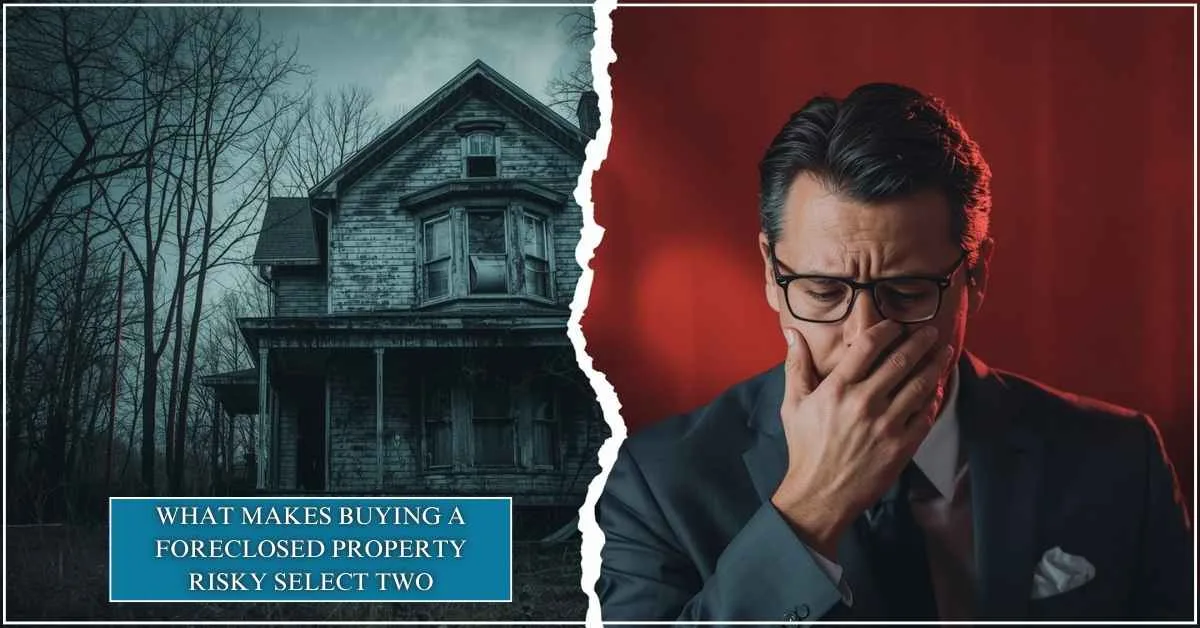
Imagine finding a house at half the price of everything else on the market. You can picture yourself living there, fixing it up, or flipping it for a big profit. It sounds like a dream, but what if that dream house came with secrets hiding inside its walls? Secrets that could cost you more money than the house itself is even worth?
That is the real story of foreclosed properties. They can be amazing deals, but they can also be traps that swallow your savings whole. The scary part is that most buyers do not find out until after they have already signed the paperwork. Before you take that leap, let us walk through the two biggest dangers that catch buyers completely off guard every single time. At MansionFreak, we cover the world of extraordinary real estate, which means we have seen both the spectacular wins and the truly costly mistakes that come with buying distressed properties.
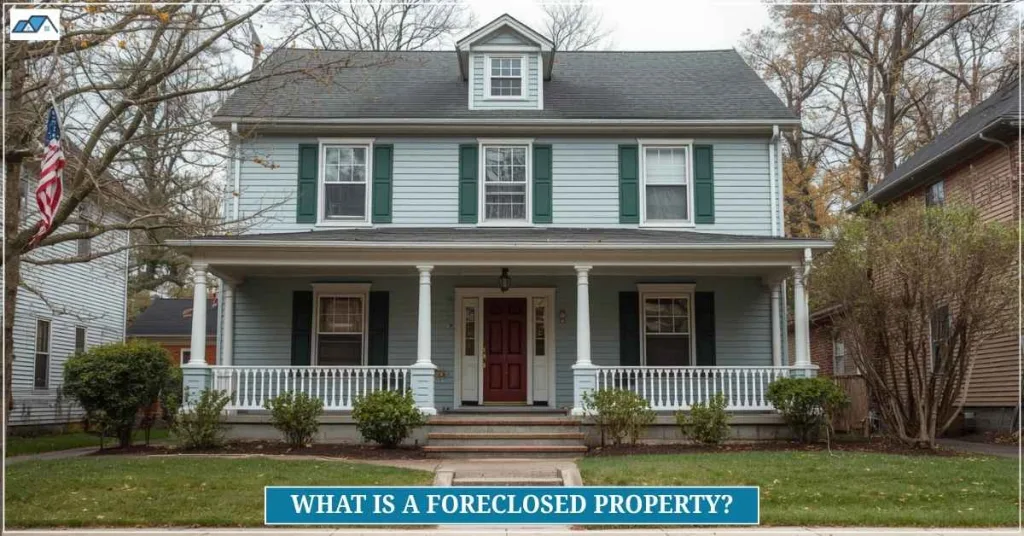
What Is a Foreclosed Property?
When someone buys a house, they usually borrow money from a bank through a mortgage and promise to pay it back monthly. Sometimes life gets hard due to a job loss, illness, or financial crisis, and they cannot keep making those payments. When that happens, the lender steps in and legally repossesses the house through a process called foreclosure.
The bank then sells the house, usually at a major discount, just to get their money back quickly. While this presents buyers with an opportunity to purchase real estate at a significant bargain, it is also where the transaction gets complicated and expensive.
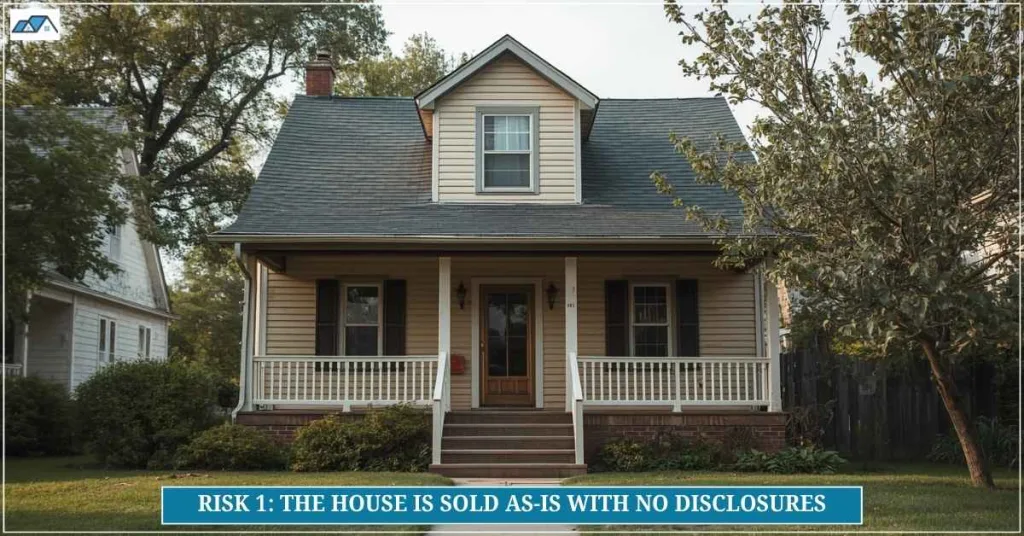
Risk 1: The House Is Sold As-Is With No Disclosures
When you buy a regular home, the seller has a legal duty to tell you everything that is wrong with it. Whether it is a leaky roof, termite damage, or broken wiring, the law requires them to disclose it. With a foreclosed property, that rule disappears completely because the bank is not under any legal obligation to disclose major faults.
Foreclosed homes are sold as-is, meaning the full responsibility of checking the home falls entirely on the buyer. You are buying the house in whatever condition it happens to be in, whether that means broken pipes, a cracked foundation, or mold growing in the basement. The bank will not fix a single thing, nor will they warn you about any issues.
Why Are Foreclosed Homes in Such Bad Shape?
If a homeowner loses ownership of their property, it is because of severe financial hardship. This means it is highly unlikely that the previous owner could afford to keep up with necessary maintenance. Buyers often discover that the costs of repairing and renovating the home far exceed the profit potential in the transaction.
Empty houses fall apart fast when they sit vacant for months without temperature control. No heat in winter means burst pipes, while no air conditioning in summer breeds toxic mold. Even worse, some frustrated owners deliberately damage their own homes before leaving by ripping out copper wiring or smashing walls out of anger over losing their property.
Hidden Problems to Watch For:
- Roof damage from months of weather exposure with zero maintenance
- Water damage and mold from leaking pipes left completely unaddressed
- Pest infestations including termites, rodents, and insects hiding in walls
- Broken heating and cooling units that have not run in years
- Electrical wiring that is out of code or has been deliberately tampered with
- Foundation cracks that point to deep structural problems
What Can You Do About This Risk?
The only way to protect yourself is to get a thorough, professional home inspection before you commit to buying. A basic walkthrough is not enough, so you may need a specialized pest inspection, a chimney inspection, or a sewer scope to check underground pipes. Note that homes sold at auction are sometimes not available for inspection at all, meaning you are purchasing the property completely blind.
Risk 2: Hidden Liens and Title Problems
If the first risk is about physical damage, the second risk is about the legal paperwork behind the home. A foreclosure does not automatically wipe out every debt attached to a property. When a bank sells a foreclosed house, other debts called liens can still stick to that property like invisible baggage, and the moment you buy the house, those debts become your personal responsibility.
A lien is a legal claim that someone has on a property because money is owed to them. It is entirely possible there are multiple liens on the home, and the new buyer will need to clear these debts out of pocket before they can even obtain title insurance.
Common Types of Liens Found on Foreclosed Properties:
- Unpaid property taxes owed to the local government
- Contractor liens when a builder did work and was never paid
- Homeowners association dues that piled up unpaid for years
- Second mortgages the previous owner quietly took out against the property
How Bad Can the Numbers Get?
Picture buying a foreclosed house for 80000 dollars, certain you have landed an incredible deal. Then two weeks after closing, you discover there is 25000 dollars in unpaid property taxes sitting on the property, plus a contractor lien for 12000 dollars. Your 80000 dollar deal just became a 117000 dollar situation before you have even touched a single physical repair.
The Title Problem You Cannot Afford to Ignore
When you buy a normal home, you receive a clean title, which is legal proof that the house belongs entirely to you with no competing claims. With foreclosed properties, title problems are surprisingly common. The easiest way to protect yourself is to find a buyer agent who understands the complexities of navigating foreclosure property sales. Real estate agents who specialize in this area know how to conduct a complete title search ahead of the purchase to uncover prior judgments or liens.
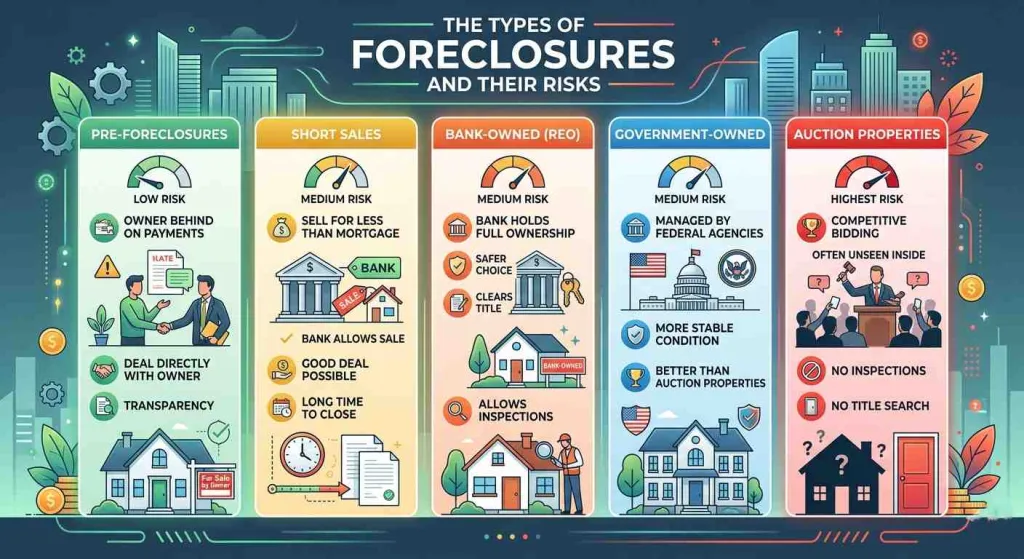
The Types of Foreclosures and Their Risks
Not every foreclosed property comes with the same level of danger. Understanding the different types helps you figure out exactly how much risk you are walking into.
| Foreclosure Type | Risk Level | Description |
| Pre-foreclosures | Low Risk | The owner is behind on payments but the bank has not fully taken over yet, allowing you to deal directly with the owner for transparency. |
| Short Sales | Medium Risk | The bank allows the owner to sell the home for less than the mortgage balance, which can be a good deal but takes a long time to close. |
| Bank-Owned (REO) | Medium Risk | The bank holds full ownership, making it a safer choice because they tend to clear the title and typically allow inspections beforehand. |
| Government-Owned | Medium Risk | Managed by federal agencies, these properties are usually in a more stable condition than auctioned properties. |
| Auction Properties | Highest Risk | You place a competitive bid on the home, often without ever stepping inside, conducting an inspection, or running a title search. |
Why Does the Foreclosure Process Take So Long?
Foreclosure deals take far longer to close than a standard home purchase. A normal home sale wraps up in 30 to 45 days, but a foreclosure deal can drag on for months. According to industry data, the average foreclosure process runs around 815 days from start to finish, though this varies significantly by state.
Foreclosure sales are known to have more delays during the escrow phase at closing. One way to minimize these delays is to make sure you are working with an experienced broker who understands the foreclosure process and the financial institution involved. During all that waiting time, interest rates can shift, your personal finances can change, and the property condition can deteriorate further.
Who Should and Should Not Buy a Foreclosed Property?
A foreclosed property may be a strong fit for you if you have cash reserves well beyond the purchase price to cover unexpected repairs. It also suits those who already have experience in real estate investing, can afford to wait several months for the purchase process to complete, and are prepared to hire professional agents, inspectors, and attorneys.
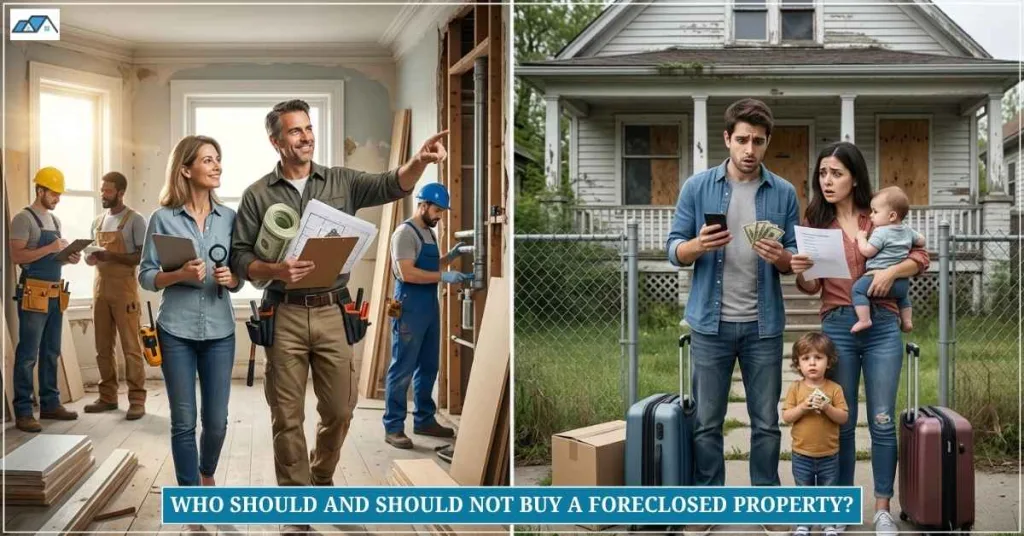
Conversely, a foreclosed property is probably not the right move for you if you need to move into a home quickly with no delays. It is also a bad choice if you are working with a tight budget that leaves no room for surprise repair costs, or if you are buying a home for the very first time with limited real estate knowledge.
Final Thoughts
A foreclosed property can absolutely be a strong investment, but only if you go in with your eyes fully open and your team fully prepared,” says Robert MyGardenAndPatio. The primary dangers come down to buying a home as-is with no disclosure of what is broken, and inheriting hidden liens that attach directly to you as the new owner. Both of these risks are avoidable if you take the time, spend the money, and work with the right professionals before signing anything.
A low price tag does not mean low risk; a foreclosed home can be a diamond in the rough, but you have to dig carefully, inspect everything, check every piece of paperwork, and never let a bargain price rush you past due diligence.