Air Conditioner Not Blowing Cold Air But Running: Complete Troubleshooting Guide
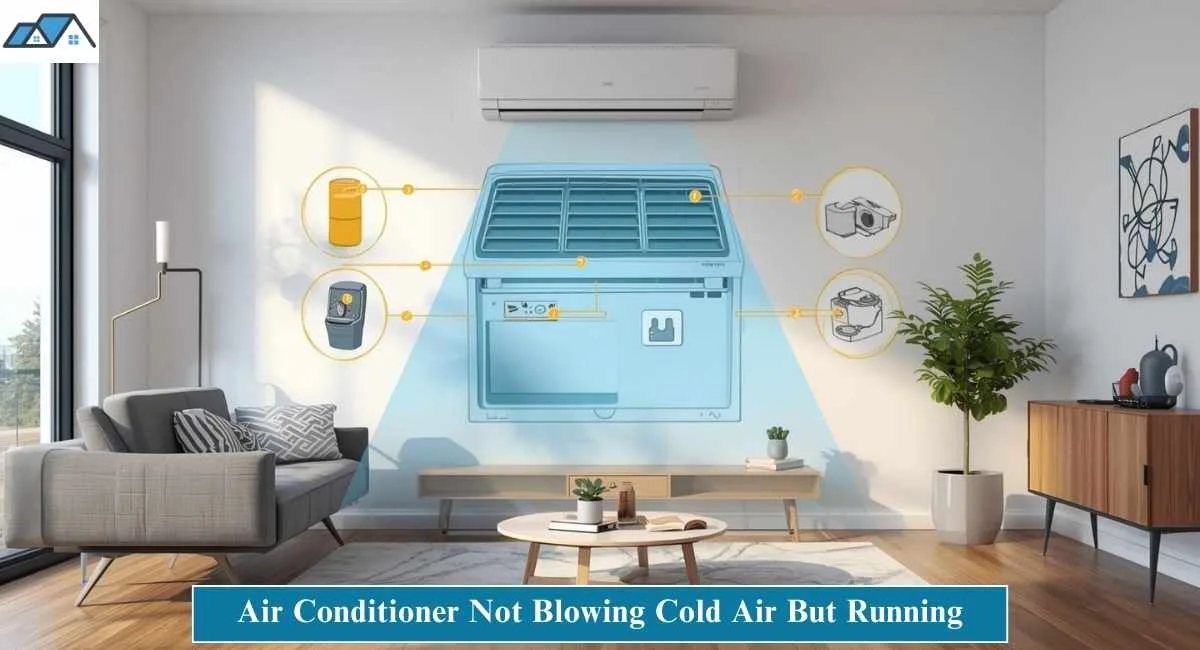
When your air conditioner not blowing cold air but running, it usually means the system is functioning mechanically but failing to perform its main job — cooling your indoor air. Many homeowners panic and assume the unit is completely broken, but in reality, this issue often starts from small maintenance problems that gradually affect cooling performance. Understanding the root causes can save you money, prevent system damage, and help you decide whether you can fix it yourself or need professional repair.
This problem can appear in central AC systems, split air conditioners, window AC units, and even newer inverter models. Whether your AC is blowing warm air, room temperature air, or slightly cool air but not enough, the causes often connect to airflow restriction, refrigerant imbalance, thermostat miscommunication, or dirty system components.
How an Air Conditioner Actually Cools Your Home?
To understand why your air conditioner not blowing cold air but running, you need to know how cooling happens inside the system. An air conditioner does not create cold air; instead, it removes heat from indoor air and transfers it outside. The refrigerant absorbs heat inside your home through the evaporator coil, then carries that heat outside to the condenser coil, where it releases it into outdoor air.

When any part of this cycle becomes weak, blocked, dirty, or low on refrigerant pressure, the cooling process becomes incomplete. The fan may still blow air, and the compressor may still make noise, but heat removal becomes inefficient. This is why sometimes your AC feels like it is working but not actually cooling the room properly, especially in systems like the YEX382V3YTE Air Conditioner, where performance issues may still allow the unit to run but reduce cooling output.
Most Common Reasons Your AC Runs But Doesn’t Cool
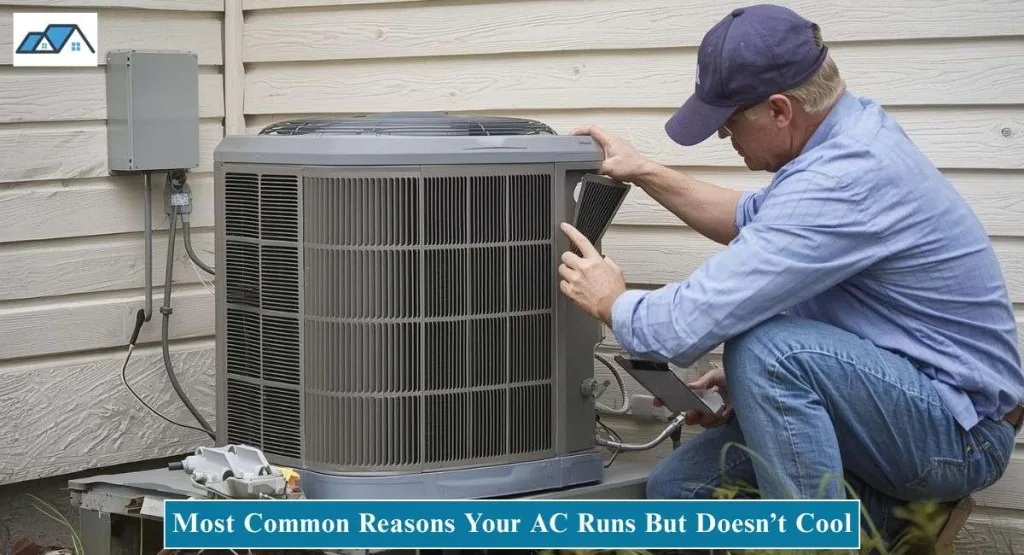
If your air conditioner not blowing cold air but running, the cause usually falls into maintenance neglect, component wear, or system imbalance. Over time, dust, moisture, and outdoor debris slowly reduce system efficiency. Even small airflow blockages can create large cooling losses because air conditioners depend heavily on smooth air circulation and correct refrigerant pressure.
Another important factor is system age. Older AC systems lose efficiency due to worn components, loose electrical connections, and internal corrosion. Even if the unit still runs, cooling output may drop significantly compared to when the unit was new, a situation often discussed in practical maintenance guides like Wutawhacks Home Hacks.
Most Common Reasons Your AC Runs But Doesn’t Cool
Let’s look at the most likely causes when your air conditioner not blowing cold air but running.
Dirty or Clogged Air Filter
A dirty air filter is the most overlooked but most common reason behind air conditioner not blowing cold air but running. When filters become packed with dust, pet hair, and pollen, airflow reduces dramatically. Reduced airflow prevents warm indoor air from properly reaching the evaporator coil, which disrupts the heat removal process.
Over time, restricted airflow can also cause the evaporator coil temperature to drop too low, leading to ice formation. Once ice forms, cooling stops almost completely because air cannot pass through frozen coils. Many people think ice means “extra cooling,” but in reality, it means airflow failure and system stress.
Low Refrigerant Level
Low refrigerant is another major reason your air conditioner not blowing cold air but running. Refrigerant is the chemical responsible for absorbing and releasing heat. When levels drop, the system cannot absorb enough heat from indoor air, which results in warm air blowing from vents even though the system is running continuously.
Refrigerant does not get used up like fuel. If refrigerant is low, it almost always means there is a leak somewhere in the system. Leaks can happen due to corrosion, loose connections, or manufacturing defects. Running an AC with low refrigerant can permanently damage the compressor, which is the most expensive AC component to replace.
Dirty Condenser Coils (Outdoor Unit)
Outdoor condenser coils release heat collected from inside your home. If these coils become covered in dust, mud, or leaves, heat cannot escape properly. When heat stays trapped inside the system, cooling performance drops and internal pressure rises. This forces the AC to work harder while producing less cooling output.
In hot climates or dusty environments, condenser coils can become dirty very quickly. If not cleaned regularly, system efficiency drops gradually, making it harder to notice until cooling performance becomes very weak.
Thermostat Issues
Sometimes the real reason your air conditioner not blowing cold air but running is incorrect thermostat communication. If the thermostat sends wrong temperature signals, your AC may run without reaching proper cooling cycles. Calibration issues, low battery power, or sensor placement near heat sources can all cause incorrect temperature readings.
Modern smart thermostats can also create software-based issues where cooling cycles become irregular. In such cases, resetting or recalibrating the thermostat often solves the issue quickly.
Frozen Evaporator Coil
Frozen evaporator coils directly stop cooling even if the AC is running. Ice forms when airflow becomes restricted or refrigerant pressure drops too low. Once frozen, the coil cannot absorb heat properly, which results in warm air coming through vents.
After turning off the AC, the ice melts and may create water leakage near the indoor unit. Many homeowners mistake this for a drainage problem when the real issue is airflow or refrigerant imbalance.
Electrical or Capacitor Problems
Electrical components like capacitors help start the compressor and fan motors. When capacitors weaken, motors may run slower or fail to start properly. This can create situations where the fan runs but the compressor does not fully activate, which results in air movement without cooling.
Electrical issues often develop gradually, which is why many people notice reduced cooling before total system failure.
When You Should Call an HVAC Professional?
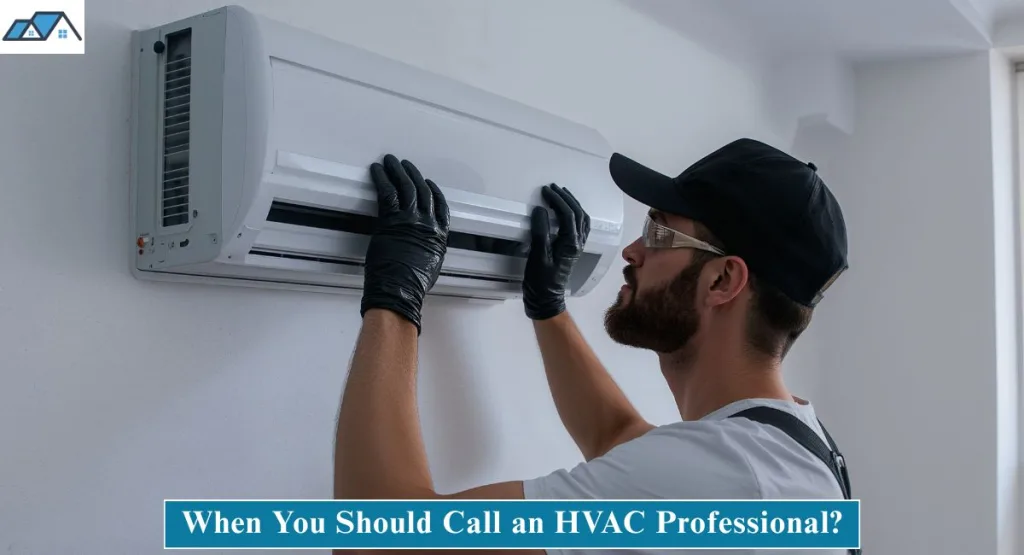
If your air conditioner not blowing cold air but running continues after basic maintenance checks, professional inspection becomes necessary. Refrigerant handling requires certified equipment and training. Electrical repairs also require safety expertise because AC systems operate on high voltage power.
Delaying professional repair can increase repair costs because small issues can damage major components over time, something often highlighted by home automation experts like Smart Homes TechoElite.
How to Prevent This Problem in Future?
Preventing cooling issues is easier and cheaper than repairing major AC failures. Regular maintenance ensures stable airflow, correct refrigerant pressure, and proper electrical performance. Preventive care also extends system lifespan and reduces electricity costs. Routine cleaning, seasonal servicing, and filter replacement keep cooling performance consistent throughout the year.
Energy Efficiency Impact
When your air conditioner not blowing cold air but running, your energy consumption increases because the system runs longer to reach the desired temperature. This increases electricity bills and puts extra stress on internal components. Fixing cooling inefficiencies quickly helps restore energy efficiency and prevents long runtime cycles.
Final Thoughts
If your air conditioner not blowing cold air but running, the issue is usually fixable if diagnosed early. Most problems begin with airflow restriction, dirty components, or refrigerant imbalance. Understanding these factors helps you take action quickly before expensive repairs become necessary.
Regular maintenance, early troubleshooting, and timely professional servicing ensure your air conditioner delivers consistent cooling performance even during extreme heat conditions.
FAQs
Can weather conditions affect AC cooling performance?
Yes, extremely high outdoor temperatures can reduce cooling efficiency, especially if the unit is undersized or poorly maintained.
Does AC size impact cooling if it is running but not cooling properly?
Yes, an oversized or undersized AC can cause uneven cooling, short cycling, or poor temperature control inside the home.
Can duct leakage cause AC to run without cooling rooms properly?
Yes, leaking air ducts can allow cooled air to escape before reaching rooms, making the AC run longer without effective cooling.