
Whole House Fan Installation: Steps, Planning, and Benefits
When I first started researching whole house fan installation, I realized that many homeowners overlook one of the simplest and most cost-effective ways to cool a house. Instead of relying solely on air conditioning, a whole house fan pulls fresh outdoor air through windows and pushes hot air out through the attic. The result is better airflow, improved comfort, and lower energy costs.
In this guide, I’ll walk through how the installation process works, what tools and planning are required, and what homeowners should know before starting the project.
What a Whole House Fan Actually Does?
Before starting a whole house fan installation, I always make sure to understand how the system works. A whole house fan is usually mounted in the ceiling between the living space and the attic. When turned on, it draws cool outside air through open windows and vents hot air through attic vents.
This creates several benefits:
- Reduces indoor temperature quickly
- Improves indoor air circulation
- Removes trapped heat from the attic
- Lowers air conditioning usage
- Cuts overall energy costs
Many homeowners use it in the evening or early morning when outdoor air is cooler.
When a Whole House Fan Makes the Most Sense?
Not every home needs this system, but in many climates it works extremely well.
I usually recommend it when:
- Evenings are cooler than daytime temperatures
- The home has proper attic ventilation
- Windows can be safely opened for airflow
- Energy efficiency is a priority
In areas where summers are warm but nights cool down significantly, the system can replace air conditioning for much of the year.
For homeowners interested in improving property value or making smarter housing decisions, I often recommend exploring resources like Mansionfreak.com which cover practical home ownership insights.
Planning Before Installation
Preparation is one of the most important steps in whole house fan installation. Installing the fan without planning airflow and attic ventilation can reduce efficiency.
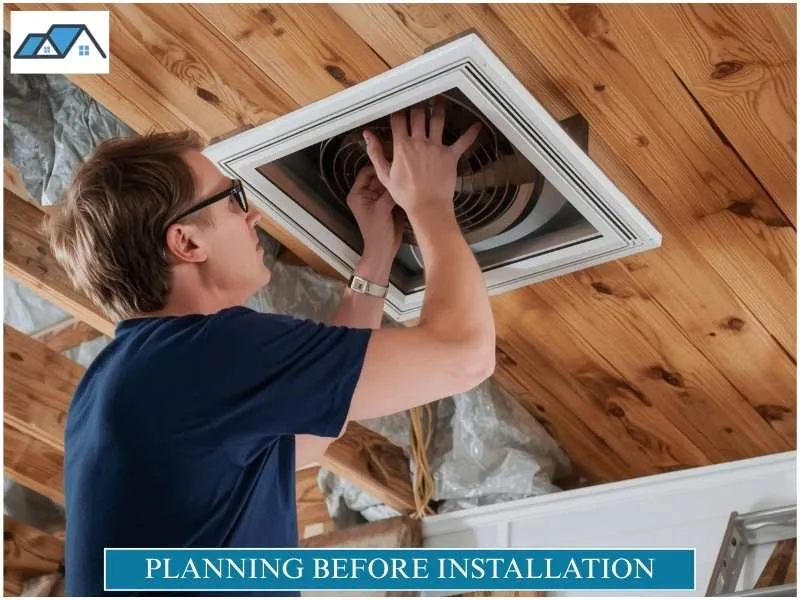
Key things I always check first include:
- Attic ventilation capacity
- Available ceiling space
- Electrical access
- Window airflow paths
- Noise level preferences
Proper attic venting is critical because the hot air pushed upward must escape efficiently. If the attic lacks enough vents, the system will not perform properly.
Choosing the Right Size Fan
Selecting the correct fan size determines how effectively the system cools the house. Most manufacturers rate whole house fans by CFM (Cubic Feet per Minute), which measures airflow.
Typical sizing guidelines include:
- Small homes: 1,500–3,000 CFM
- Medium homes: 3,000–5,000 CFM
- Large homes: 5,000–7,000+ CFM
I usually calculate airflow based on the square footage of the house and desired air exchange rate. Installing an undersized fan reduces effectiveness, while an oversized unit can create unnecessary noise and power usage.
Tools and Materials Required
Before beginning the project, I always gather all tools and components to ensure a smooth installation process.
Common materials include:
- Whole house fan unit
- Mounting brackets
- Electrical wiring and switch
- Ceiling grille or shutter cover
- Measuring tape
- Drywall saw
- Screwdriver or drill
- Safety gear
Having everything ready prevents delays once the ceiling opening is cut.
Step-by-Step Whole House Fan Installation
While professional installation is always an option, many homeowners complete the process themselves with careful planning.
Here is the typical step-by-step approach I follow.
Step 1: Choose the Installation Location
I start by selecting a central hallway ceiling location. This area usually allows airflow from multiple rooms and improves air circulation throughout the home.
Step 2: Mark and Cut the Ceiling Opening
Using the fan template, I mark the ceiling and carefully cut the opening. Precision is important because the grille must fit tightly without gaps.
Step 3: Build the Support Frame
A wooden frame is installed between ceiling joists to support the fan. This structure ensures the unit remains stable and reduces vibration during operation.
Step 4: Mount the Fan Unit
Once the frame is secure, I mount the fan according to the manufacturer’s instructions and attach the fan housing to the support structure.
Step 5: Connect the Electrical Wiring
The fan is connected to a dedicated switch or timer. Some modern systems also allow smart controls or remote operation.
Step 6: Install the Ceiling Grille
Finally, I attach the decorative grille or shutter cover. This completes the visible portion of the installation.
Ensuring Proper Attic Ventilation
A critical part of whole house fan installation is making sure the attic has enough ventilation. Without proper airflow in the attic, hot air cannot escape efficiently.
Common attic ventilation options include:
- Ridge vents
- Gable vents
- Roof vents
- Soffit vents
Experts typically recommend one square foot of vent area for every 750 CFM of fan airflow. This prevents pressure buildup and improves system performance.
Energy Savings and Efficiency Benefits
One of the biggest reasons I recommend whole house fans is the energy savings.
Compared with traditional air conditioning, whole house fans:
- Use significantly less electricity
- Cool homes faster during evenings
- Reduce strain on HVAC systems
- Improve indoor air freshness
Many homeowners see noticeable reductions in electricity bills during summer months.

Noise Considerations
Older fan models were known for being noisy, but modern designs have improved significantly.
When selecting a unit, I look for features such as:
- Insulated fan housings
- Rubber vibration mounts
- Variable speed motors
- Ducted fan systems
These features help keep operation quiet, making the system comfortable to use even during nighttime cooling.
Maintenance After Installation
Maintenance requirements are minimal, but a few simple steps keep the fan operating efficiently.
I usually recommend:
- Cleaning fan blades once per year
- Inspecting attic vents for blockage
- Checking electrical connections
- Ensuring shutters open and close properly
Regular maintenance extends the lifespan of the system and prevents performance issues.
Homeowners planning long-term housing upgrades or budgeting for home improvements may also benefit from understanding financial planning topics like i make $70,000 a year how much house can i afford when considering upgrades that affect property value.
Common Mistakes to Avoid
Through experience, I’ve seen several mistakes that can reduce system efficiency.
The most common ones include:
- Installing an undersized fan
- Ignoring attic ventilation requirements
- Placing the fan in a poorly ventilated location
- Forgetting to open windows before operation
- Using the fan during extremely hot daytime temperatures
Avoiding these issues ensures the system performs exactly as intended.
Final Thoughts
Installing a whole house fan is one of the most practical upgrades I’ve come across for improving home ventilation and reducing cooling costs. With the right planning, proper attic ventilation, and careful installation, the system can dramatically improve airflow throughout the house.
By following the steps outlined in this guide, homeowners can approach whole house fan installation with confidence and understand exactly how the process works. When done correctly, it becomes a simple but powerful solution for maintaining a cooler, fresher home environment without relying heavily on air conditioning.