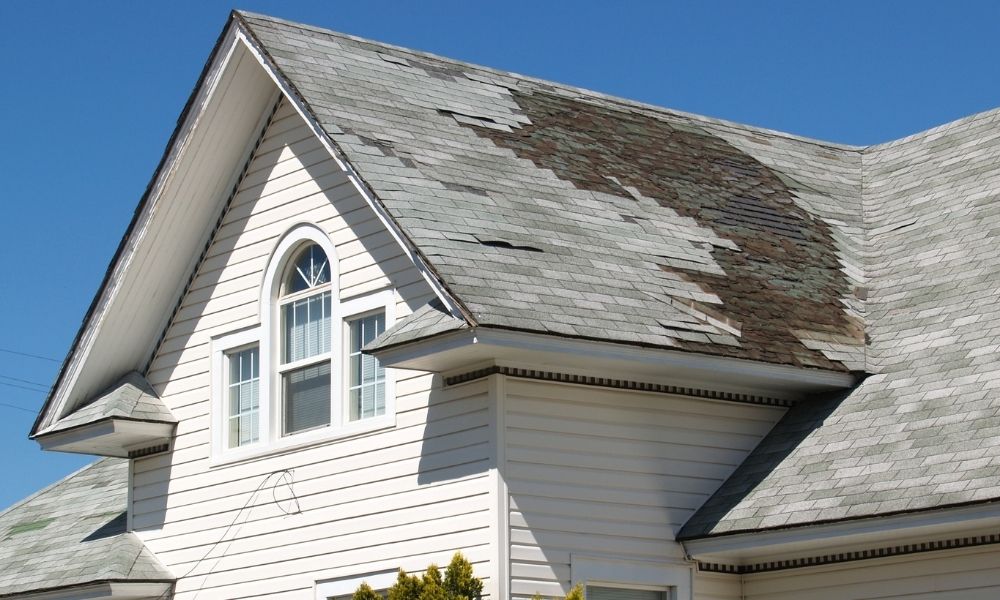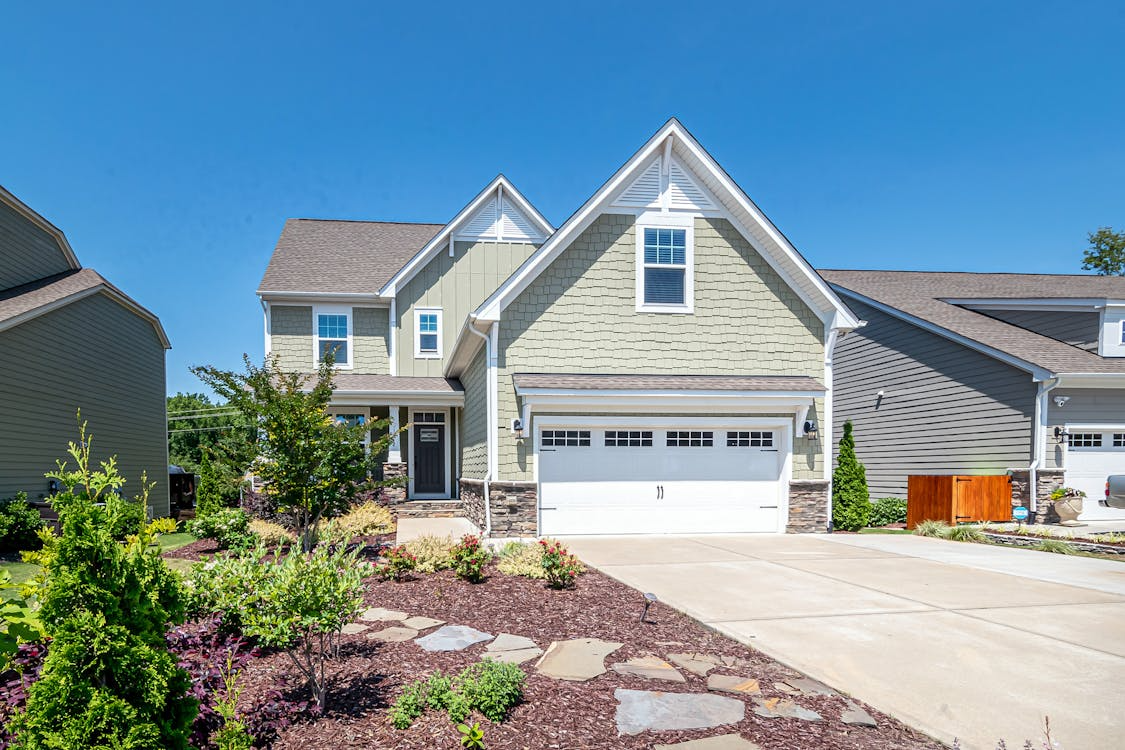
Exterior design tends to be judged from a distance first. A house may feature high-quality siding, thoughtful landscaping, and modern lighting, yet the overall look can still feel disjointed if large openings across the facade appear unrelated. Entry doors, wide patio openings, service doors, and vehicle access points occupy large sections of exterior walls. Their size makes them some of the most visually dominant architectural elements on the property. Once several of these openings appear on the same elevation, their relationship to one another becomes a major factor in how the home looks as a whole.
Many exterior updates focus on a single feature. A homeowner might upgrade a front door or replace a large opening with a modern system, yet leave the surrounding architectural elements untouched. The result often feels fragmented because large access points carry visual weight that affects the rest of the facade. A cohesive exterior develops through coordination across multiple openings.
Coordinating Large Access Points
Large access points shape how a facade is perceived because they occupy so much physical space. Entry doors, patio doors, and wide openings connected to service areas create visual anchors across the structure. Careful coordination between these openings and the surrounding architecture allows the exterior to feel structured rather than scattered. Color palettes, panel styles, and surface textures should relate to one another so that each opening supports the overall design language of the home. This same principle often applies to secondary structures as well. When adding sheds or similar outbuildings, aligning their openings and finishes with the main house helps maintain a consistent look, which is something many homeowners consider when working with reliable shed builders in Toowoomba, especially when aiming for a cohesive property-wide design.
Garage doors deserve particular attention during this process because they frequently take up the largest section of wall space on the front elevation. Their material finish, panel layout, and color tone should connect with nearby architectural elements such as trim boards or entry doors. Proper installation remains just as important as design. Hiring experienced professionals for garage door installation helps achieve correct alignment, secure fitting, and reliable performance.
Aligning Opening Heights to Support Visual Order
Opening height has a quiet but powerful influence on how organized a facade appears. Matching the top edges of doors and wide openings creates a clear horizontal line that guides the eye across the building. This alignment creates visual order even across homes with several large openings on the same elevation.
Height differences sometimes appear during renovations or additions. A patio door replacement, a new service entry, or a widened access point can disrupt existing alignment if the structural framing changes. Thoughtful planning allows adjustments through trim design or framing modifications so openings still share a common visual reference line.
Using Frame Styles That Complement Each Other
Frames shape the visual boundaries of large openings. Their thickness, material, and edge profile determine how an opening interacts with the surrounding facade. A sleek metal frame communicates a different architectural character than a thick molded wood surround. Choosing frame styles that relate to one another helps unify different access points across the exterior.
Coordination does not require identical frames everywhere. The goal involves maintaining a shared visual language. Similar edge shapes, matching depths, or consistent color treatments create continuity even across different types of openings.
Repeating Architectural Details Across Multiple Access Points
Architectural repetition plays a major role in cohesive exterior design. Decorative panel patterns, trim shapes, and molding profiles provide subtle connections between openings. A single detail may appear minor on its own, yet repetition across several locations allows the facade to develop a unified identity.
For example, a rectangular panel design appearing on an entry door might reappear in simplified form across other openings. Trim profiles around wide openings may mirror the shape used around windows or service doors. Repeating such elements creates visual continuity.
Coordinating Hardware Finishes Across Entry Systems
Exterior hardware contributes to the final layer of visual consistency across large access points. Handles, hinges, and decorative plates add small details that reinforce the overall architectural style. Consistency in hardware finishes helps tie together openings that may differ in size or structure.
Metal finishes such as matte black, brushed nickel, or bronze create subtle visual links across entry systems. Matching or coordinating these finishes allows doors and wide access points to share a common design language.
Coordinating Rooflines with Exterior Opening Placement
Rooflines naturally frame large openings from above. Overhangs, exposed beams, and structural supports create architectural boundaries that influence how openings sit within the facade. Once roof elements line up with the placement of large access points, the structure develops a clear sense of order that carries across the entire exterior.
Thoughtful coordination between rooflines and opening placement strengthens that architectural relationship. Wide openings positioned beneath roof edges, covered porches, or overhangs appear grounded within the design rather than floating within large wall surfaces. This alignment helps distribute visual weight evenly across the facade and reinforces the connection between the upper and lower sections of the structure.
Cohesive exterior design develops through coordination across the largest architectural features of the home. Wide access points influence how the facade appears from every angle, which makes their alignment, framing, and detailing especially important. Attention to roof placement and repeated design elements allows each opening to connect naturally with the surrounding architecture. A well-organized exterior rarely depends on a single standout feature. Harmony across multiple openings shapes the visual character of the entire facade.