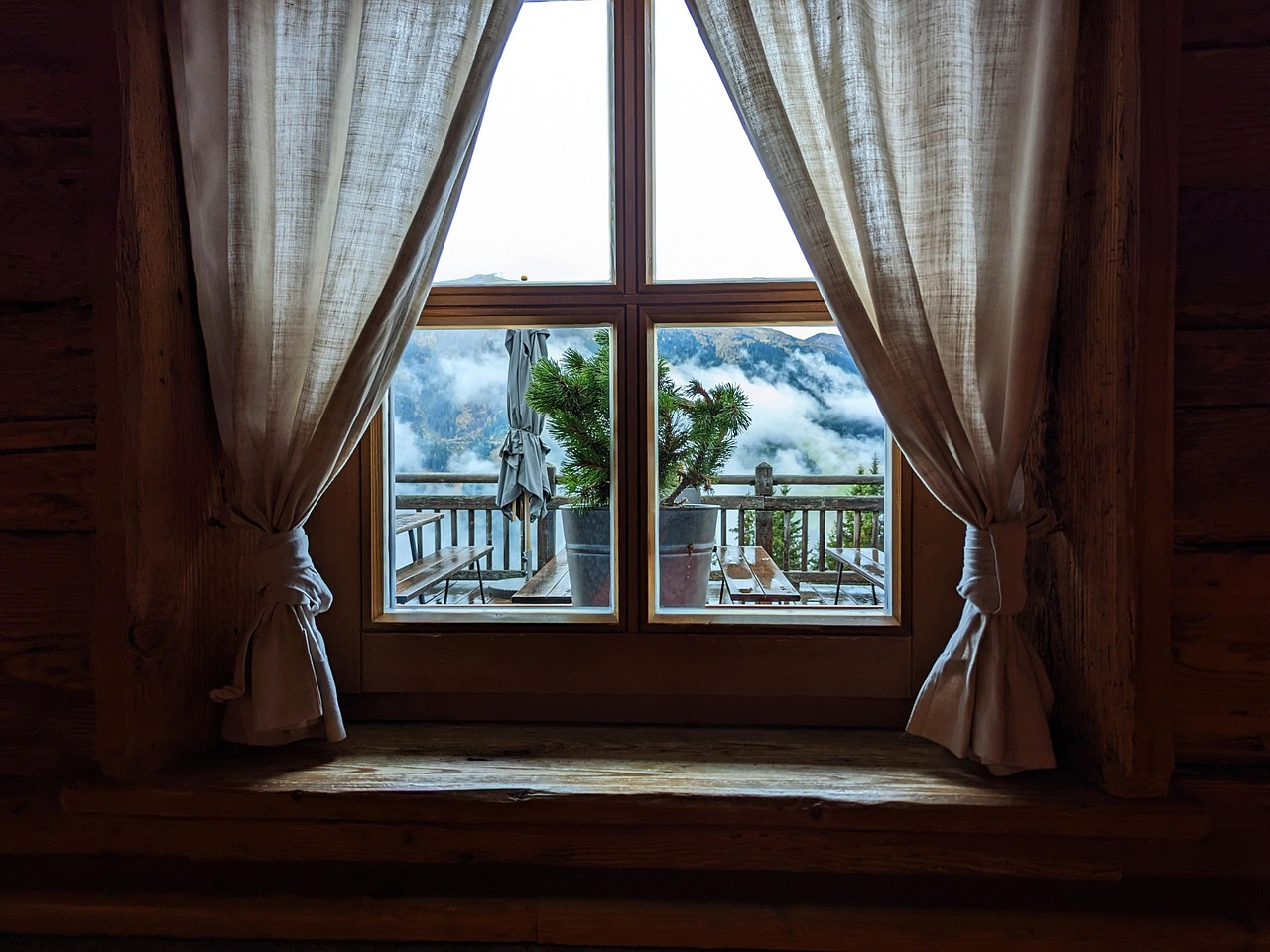
Windows influence both the appearance and performance of a home. They shape how much natural light enters a space, affect ventilation, and contribute to overall energy efficiency. Well-designed windows can elevate curb appeal while also improving indoor comfort. However, upgrading them requires more than selecting a style that looks appealing. Homeowners need to consider how their choices will impact insulation, maintenance, and long-term durability.
Location plays an important role in these decisions. For example, Orlando experiences high humidity, intense sunlight, and seasonal storms, all of which can put added stress on standard window systems. These conditions make it essential to choose materials and designs that can withstand environmental demands. By understanding both aesthetic and functional aspects, homeowners can approach a window upgrade with greater confidence and make decisions that support long-term performance.
Planning Your Window Upgrade: More Than Just Aesthetics
Many homeowners begin the upgrade process by focusing on how new windows will improve their home’s appearance. While appearance matters, it should not be the only consideration. Factors such as insulation performance, structural compatibility, and climate resilience play a significant role in determining the effectiveness of the upgrade over time. Ignoring these elements can lead to higher energy costs and premature wear.
In regions with challenging weather conditions, careful planning becomes even more important. Over time, windows can lose efficiency due to aging materials, seal failures, or constant exposure to harsh environmental conditions. This is often when homeowners start considering replacing windows to improve energy performance, enhance indoor comfort, and better protect against external elements. If you are looking for services like window replacement in Orlando, there are many professionals who have years of experience. Working with experts ensures that the replacement process is handled correctly, from selecting durable materials to ensuring proper installation, ultimately improving long-term performance and reliability.
Energy Efficiency & U-Factor: What Homeowners Should Know
Energy efficiency is one of the most important factors to consider when upgrading windows. The U-factor indicates how effectively a window resists heat transfer, with lower values indicating greater insulation performance. Choosing windows with an appropriate U-factor can help maintain stable indoor temperatures, especially in climates with extreme heat or cold. This directly impacts how often heating and cooling systems need to run.
Beyond comfort, energy-efficient windows can significantly reduce monthly utility costs. Double- or triple-pane glass, along with insulated frames, creates an effective barrier against outdoor temperatures. Homeowners should also look for recognized certifications, such as ENERGY STAR ratings, to ensure performance standards are met. Investing in energy-efficient windows not only improves daily comfort but also contributes to long-term savings.
Frame Materials: Choosing the Right Fit for Your Home
Selecting the right frame material is essential for balancing durability, maintenance, and performance. Vinyl frames are a popular choice due to their affordability and low maintenance requirements. Aluminum frames offer strength and a sleek appearance, but they may conduct heat more easily, which can affect energy efficiency in warmer climates.
Wood frames provide excellent insulation and a traditional look, but they require consistent upkeep to prevent moisture damage. Composite materials combine the benefits of different materials, offering durability and resistance to weather-related wear. When choosing a frame, homeowners should consider how each option performs under local environmental conditions and the level of maintenance they are willing to manage over time.
Impact Resistance: Why Durability Matters
Durability is a key factor when selecting new windows, especially in areas that experience strong winds or seasonal storms. Impact-resistant windows are built with reinforced glass and multiple layers designed to withstand sudden pressure changes. This added strength helps prevent breakage from flying debris and reduces the risk of interior damage during severe weather events.
Beyond storm protection, impact-resistant windows also enhance home security. Their sturdy construction makes forced entry more difficult, offering an extra layer of safety. While the initial cost may be higher than standard options, the long-term benefits often outweigh the investment. Homeowners can reduce potential repair expenses and gain peace of mind knowing their windows are built to handle demanding conditions.
Glass Coatings & Tints: Enhancing Performance and Protection
Modern windows use advanced coatings designed to enhance both comfort and energy performance. Low-emissivity (Low-E) glass has a thin, nearly invisible layer that reflects heat while still allowing natural light to enter the home.
Tinted glass options can further enhance performance by minimizing glare and blocking harmful UV rays. This protection helps preserve furniture, flooring, and décor from fading over time. Homeowners can choose from various tint levels depending on their preferences for light and privacy. By selecting the right glass features, you can create a more comfortable living environment while improving overall energy efficiency.
Style vs. Functionality: Finding the Right Balance
Window style plays a major role in both the appearance and usability of a home. Double-hung windows are a common choice because they allow for easy cleaning and flexible ventilation. Casement windows, which open outward, provide a tighter seal when closed and offer excellent airflow when open, making them ideal for areas that need consistent ventilation. Window selection also plays an important role in interior design, as it influences how natural light enters a space and how open or inviting a room feels.
Picture windows, on the other hand, are designed to maximize natural light and outdoor views. However, they do not open, limiting their airflow functionality. For this reason, many homeowners combine picture windows with operable styles to achieve both visual appeal and practicality. Choosing the right mix of styles ensures that each space meets both aesthetic and functional needs while supporting a cohesive interior design throughout the home.
Making a Smart Investment for Long-Term Comfort
Upgrading your home’s windows requires careful attention to efficiency, materials, and environmental demands. Each decision, from selecting the right frame to choosing impact-resistant glass, affects how well the windows perform over time. When these elements are aligned with local climate conditions, homeowners can achieve better insulation, improved durability, and lower energy costs.
High-quality windows also contribute to increased property value and everyday comfort. They enhance curb appeal while creating a more stable indoor environment. By focusing on long-term performance rather than short-term savings, homeowners can make informed choices that deliver lasting benefits.