How Interior Design Affects Mental Health

How Interior Design Affects Mental Health goes far beyond paint colors and furniture — our homes are emotional landscapes that quietly tell our stories.
The way a space is designed shapes how we think, feel, and recover from everyday stress.
As Leyden, founder of MansionFreak.com, often shares, interior design isn’t just about style — it’s a form of self-care expressed through environment. Every room holds energy: where we rest, dream, and recharge.
When designed thoughtfully, our surroundings can restore calm, spark creativity, and support emotional balance — proving that a well-designed home truly nurtures the mind as much as the body.
Why Is Emotional Awareness Important in Interior Design?
True interior design isn’t just about creating a space that looks good — it’s about how a space makes you feel. Modern designers are increasingly recognizing that every design choice carries emotional weight. The people over at Schots always advise selecting high-quality bathroom tapware that blends tactile functionality with timeless aesthetics to elevate your daily self-care rituals. By choosing finishes and shapes that resonate with your personal style, you can transform a purely utilitarian room into a sanctuary of comfort and visual harmony.
When a room is balanced, well-lit, and harmonious, it naturally promotes calmness and clarity. On the other hand, cluttered or dark interiors can trigger stress, restlessness, or even sadness.
This is why successful design starts with understanding human needs — mental, emotional, and physical — before choosing any materials or layouts.
Concepts like the Danish philosophy of Hygge beautifully capture this connection. Hygge is about creating environments that feel cozy, safe, and emotionally fulfilling.
It’s not about adding a few candles or soft blankets; it’s about cultivating a genuine sense of belonging and harmony in the place you live.
The Psychology Behind Interior Design and Mental Health
Modern life presents numerous challenges to our mental state, from demanding jobs to a constant feeling of being “on.” Finding ways to protect and improve our mental health is essential.
Since many of us spend the vast majority of our time—up to 90%—indoors, our homes become one of the most significant factors influencing our daily wellbeing.
The time we spend at home is substantial, covering everything from sleep and meals to work and relaxation. This makes the quality of our indoor environment incredibly important.
When your home is a source of calm and positivity, it acts as a buffer against external stressors. By consciously designing our interiors, we can create a supportive setting that has a tangible, positive effect on our minds every single day.
Interior Design Elements That Influence Your Mental Health
Did you know your surroundings can shape your mood, focus, and overall happiness? From the colors on your walls to how much natural light enters your room — every design choice has a direct impact on your mind.
In fact, research shows that certain colors can boost concentration, while others can make you feel calmer or more energetic. Interior design isn’t just about beauty — it’s about creating a space that supports your emotional well-being.
Below, we’ll explore the key design elements that influence your mental health and how you can use them to turn your home into a sanctuary of peace and positivity.
1. Functionality: Designing for Daily Comfort and Flow
Bad design often goes unnoticed until it causes frustration. Small things like tight walkways or awkward furniture placement can affect your comfort without you realizing it. Thoughtful design helps you move easily, live comfortably, and feel calmer every day.

- Keep walkways open and uncluttered for easy movement.
- Choose furniture that fits your space instead of overcrowding it.
- Place frequently used items within easy reach.
- Use multipurpose furniture to save space.
- Test your layout by walking through — if it feels cramped, rearrange.
2. Declutter for Clarity and Calm
Clutter creates mental noise and can make you feel tense or overwhelmed. A clean and organized space supports focus, rest, and peace of mind. You don’t need perfection — just systems that make sense for your daily life.

- Sort belongings by what you use most and store the rest.
- Use baskets, boxes, and shelves for smart organization.
- Avoid over-decorating surfaces like tables or countertops.
- Keep a small daily “reset” routine for tidying.
- Let go of items that don’t serve a purpose or bring joy
3. Spaciousness: Give Your Mind Room to Breathe
Even small homes can feel open and freeing when designed thoughtfully. Spaciousness isn’t about size — it’s about how your space breathes. An airy home can lift your mood and boost creativity.

- Use light wall colors to make rooms look bigger
- Add mirrors to reflect natural light and open up corners.
- Choose furniture with legs to create a sense of openness.
- Keep windows uncovered or use sheer curtains.
- Limit bulky décor to maintain a clean visual flow.
4. Balance and Harmony: The Key to a Peaceful Home
When a room feels balanced, your mind feels balanced too. Harmony between colors, shapes, and textures makes your home instantly more relaxing and visually pleasing.

- Stick to a simple color palette across your home.
- Mix textures like wood, fabric, and metal for depth.
- Arrange furniture symmetrically when possible.
- Avoid overcrowding one side of a room.
- Use repeating tones or patterns to tie spaces together.
5. Sunlight: Your Natural Mood Booster
Sunlight naturally boosts your energy and happiness. It helps regulate sleep and creates an inviting atmosphere. Homes filled with natural light feel alive and warm.

- Keep windows clean and open curtains during the day.
- Use mirrors to reflect light deeper into the room.
- Choose lighter fabrics and wall colors.
- Avoid blocking light sources with tall furniture.
- Add LED lights that mimic daylight where sunlight is limited.
6. Color Psychology: Paint Your Emotions
Colors directly affect your emotions. Choosing the right tones helps create the mood you want in each room — calm, focus, or coziness.

- Use soft blues and greens for calm and focus areas.
- Add warm yellows or terracotta for comfort and warmth.
- Choose neutral shades for bedrooms to promote rest.
- Avoid too many bold colors in small rooms.
- Use art or cushions to add color without overwhelming the space.
7. Shape and Texture: Soft Edges, Softer Feelings
The shapes and textures in your home affect how safe and relaxed you feel. Soft edges and gentle materials can make any space more inviting and cozy.
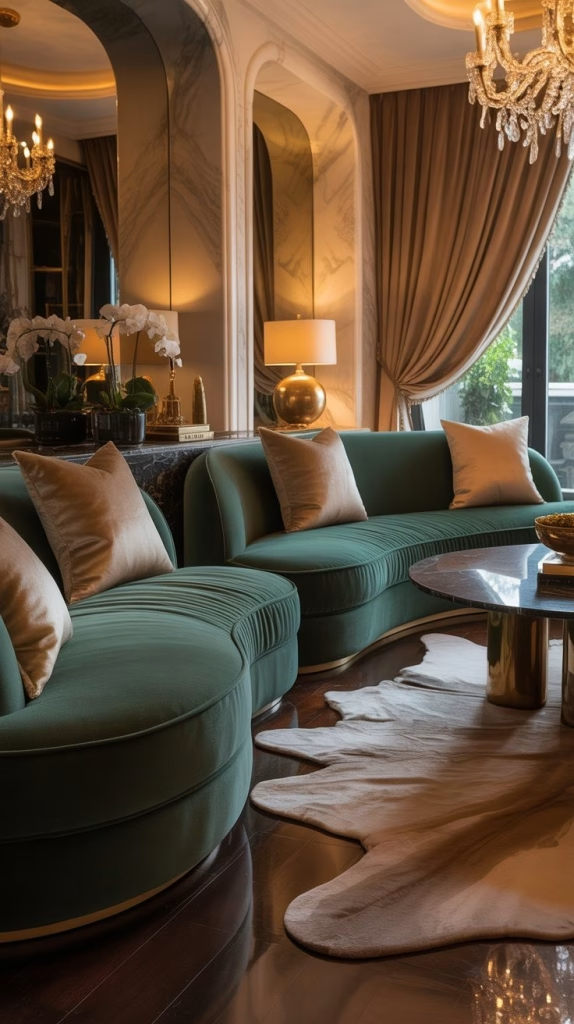
- Choose furniture with curved edges instead of sharp corners.
- Add circular mirrors or round rugs for softness.
- Use cozy fabrics like cotton, linen, and wool.
- Layer textures to create depth and warmth.
- Avoid harsh, glossy surfaces in areas meant for relaxation.
8. Greenery and Natural Elements
Nature has a calming effect that helps reduce stress and restore focus. Even a few natural touches can bring peace and freshness to your space
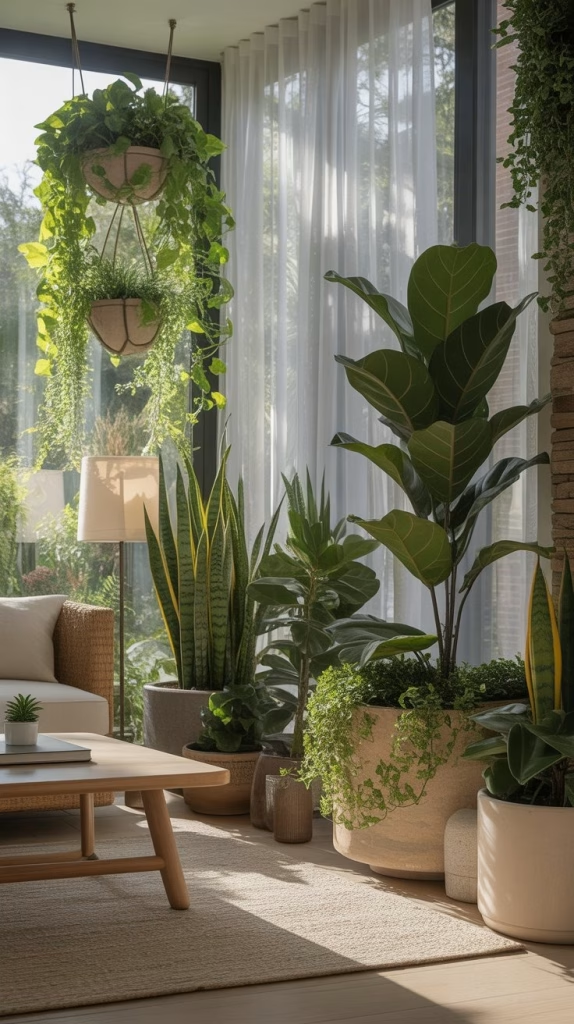
- Add indoor plants or small potted herbs.
- Use wood, stone, or rattan in your décor.
- Keep a small vase of fresh flowers near your window or desk.
- Display nature-inspired art or photos.
- Open windows regularly for fresh air and natural scents
9. Lighting Choices: Avoid the Blue Light Trap
Lighting affects both mood and sleep. Harsh artificial or blue light can make you restless, while warm lighting helps you unwind. Creating soft, gentle lighting can improve your evenings instantly.
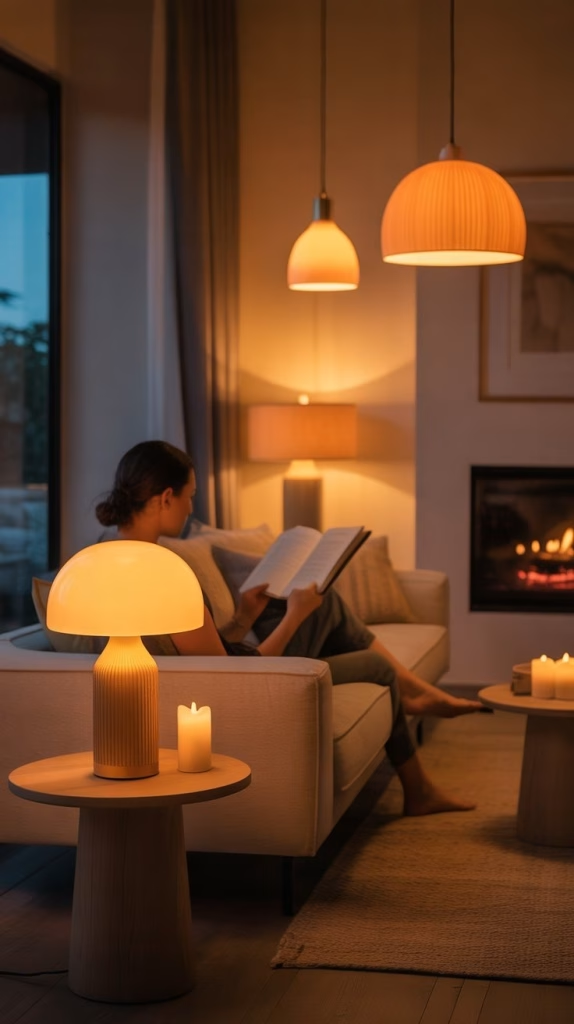
- Use warm light bulbs for relaxation areas.
- Avoid screens an hour before bedtime.
- Place lamps at different levels for a cozy glow.
- Add dimmers to control brightness easily.
- Keep bright overhead lights for daytime use only.
10. Energy and Electromagnetic Balance
Your home’s invisible energy also matters. Electronics and cluttered corners can affect how calm and focused you feel. Creating balanced energy flow supports better rest and clarity.

- Keep your bed and desk away from heavy electronics.
- Unplug devices at night to reduce background energy.
- Create a “tech-free” zone for reading or reflection.
- Arrange furniture to allow natural movement and airflow.
- Keep your sleeping area simple and free from distractions
How to Create Interiors That Boost Mental Wellbeing?
Interior design affects how we feel every day. Good design isn’t just about looks — it’s about comfort, calm, and emotional balance. Skilled designers often ask how a room makes you feel before making any changes. This helps create spaces that reduce stress and promote peace.
When designing your home, think about:
- How each room makes you feel — calm or anxious.
- Keeping layouts simple and functional.
- Adding sunlight, plants, and natural materials.
- Including personal touches that make you happy.
A well-designed home supports your mind, not just your lifestyle.
For more inspiration and smart ways to refresh your décor, explore these 20 Awkward Living Room Layout Ideas to Fix Odd Spaces that bring style, comfort, and creativity together to effortlessly transform any space.
Final Thought
Our homes are reflections of our inner world, shaping how we feel, think, and recharge. Thoughtful interior design goes beyond aesthetics — it’s a tool for emotional balance and mental clarity.
At MansionFreak.com, Leyden emphasizes creating spaces that blend comfort, functionality, and harmony to support everyday well-being.
After all, a well-designed home isn’t just where you live — it’s where you truly thrive.
To bring your dream design to life, explore Mansion Freak’s Modern Interior Design services and discover how luxury and comfort can beautifully coexist
FAQs
Q. How does interior design impact mental health?
Interior design influences emotions, focus, and overall mood. A well-designed space can reduce stress, promote calmness, and improve daily mental well-being.
Q. What colors are best for a relaxing home environment?
Soft blues, greens, and neutral tones are ideal for creating a peaceful atmosphere. These shades naturally calm the mind and enhance emotional balance.
Q. Can clutter really affect my mood?
Yes. Studies show that clutter increases stress and reduces focus. Keeping your space tidy helps you feel more in control and mentally refreshed.
Q. How does natural light improve mental health?
Sunlight boosts serotonin levels, improves sleep patterns, and enhances productivity. Bright, naturally lit rooms feel more energizing and positive.