10 Innovative Commercial Interior Design Ideas

Commercial Interior Design shapes the way people experience a business. It’s not just about aesthetics — it’s about creating spaces that inspire productivity, reflect brand values, and leave lasting impressions on clients and employees alike.
At Mansion Freak, we simplify the art of Commercial Interior Design, helping businesses create modern, functional, and visually appealing environments. Our expert approach blends aesthetics with purpose — offering you 10 inspiring design ideas that can transform your workspace into a true reflection of success and sophistication. To explore more of our professional design solutions, visit Mansion Freak’s services page.
Commercial Interior Design Difference Table
| Design Idea | Installation Difficulty | Estimated Cost Range | 2025 Trend Rating |
|---|---|---|---|
| Open-Concept Office Layout | Moderate | $2,000 – $8,000 | ★★★★★ |
| Biophilic Design Integration | Easy to Moderate | $500 – $3,000 | ★★★★★ |
| Statement Reception Area | Moderate | $1,000 – $6,000 | ★★★★☆ |
| Smart Lighting Solutions | Moderate | $300 – $2,000 | ★★★★★ |
| Acoustic Wall Panels | Moderate | $800 – $4,000 | ★★★★☆ |
| Branding Through Color Psychology | Easy | $300 – $1,000 | ★★★★★ |
| Industrial Loft Style | Difficult | $3,000 – $10,000 | ★★★★☆ |
| Multipurpose Breakout Zones | Easy to Moderate | $1,000 – $5,000 | ★★★★★ |
| Minimalist Retail Display Design | Easy | $700 – $3,000 | ★★★★☆ |
| Sustainable & Eco-Friendly Design | Difficult | $2,000 – $9,000 | ★★★★★ |
1. Open-Concept Office Layout
Modern commercial spaces thrive on openness. Removing unnecessary walls and creating shared spaces encourages collaboration, transparency, and a sense of freedom. It’s perfect for creative offices and startups that value teamwork over hierarchy.

Pros:
Cons:
How to Implement:
- Use glass partitions instead of walls to define zones.
- Choose modular furniture for flexible arrangements.
- Add acoustic panels to balance noise levels.
How It Works:
The open layout removes physical barriers, fostering collaboration and creativity while maintaining a modern, airy atmosphere that enhances company culture.
2. Biophilic Design Integration
Bringing nature indoors transforms commercial interiors into stress-free, inspiring environments. Plants, natural light, and organic materials reconnect employees and clients with nature — improving health and mood.

Pros:
Cons:
How to Implement:
- Add indoor plants like snake plants, pothos, or palms.
- Use natural textures like wood, jute, and stone.
- Position seating near windows for natural light.
How It Works :
Biophilic design uses nature-inspired elements to create a calming workspace that reduces stress and increases creativity and satisfaction.
3. Statement Reception Area
First impressions count — and your reception area is where your brand story begins. A stylish front desk, creative lighting, and bold branding create an unforgettable welcome experience.

Pros:
Cons:
How to Implement:
- Add a branded backdrop or logo wall.
- Use warm lighting and textured finishes.
- Keep the area clutter-free and inviting.
How It Works:
A well-designed reception works as a visual handshake — immediately communicating trust, luxury, and attention to detail.
4. Smart Lighting Solutions
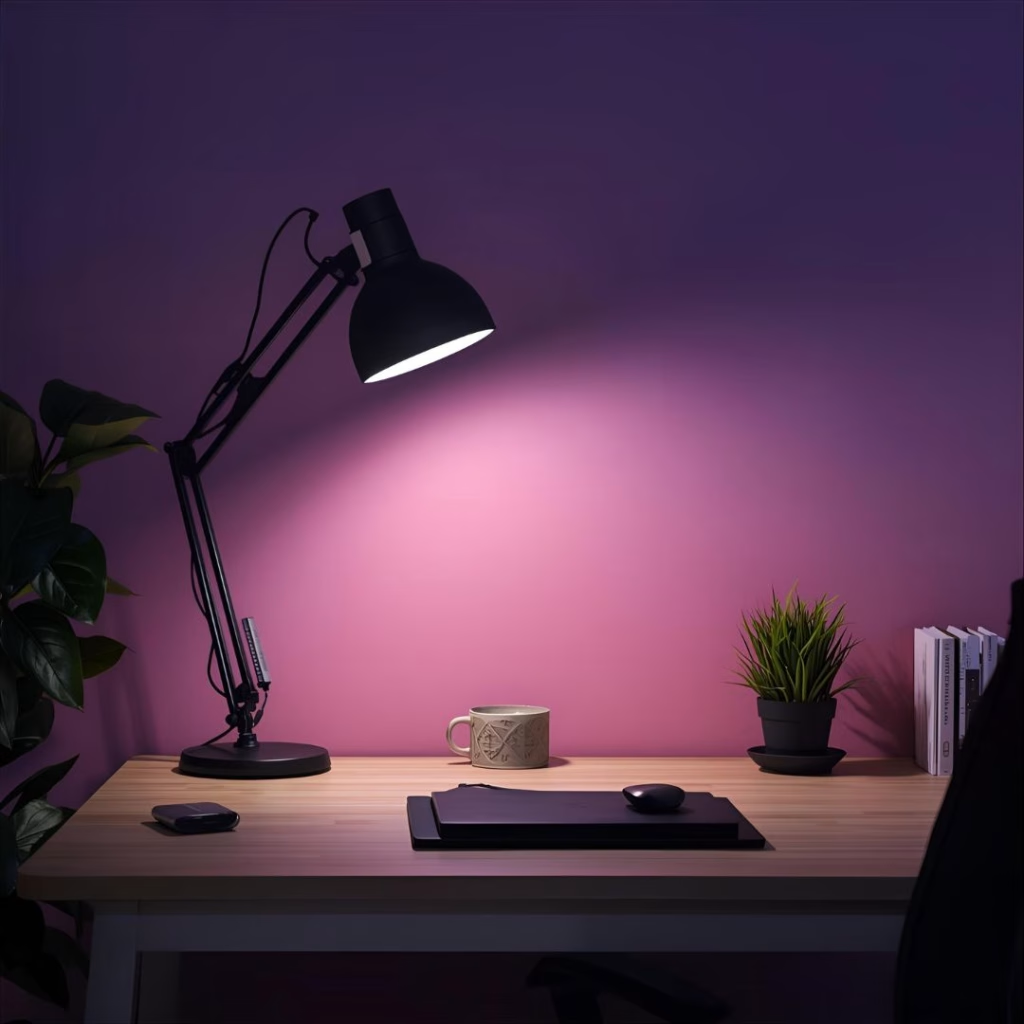
Smart, adaptive lighting enhances productivity and mood throughout the day. With adjustable brightness and color tones, it blends technology and comfort for a perfect workspace atmosphere.
Pros:
Cons:
How to Implement:
- Install smart LED bulbs or motion sensors.
- Use daylight sensors for natural balance.
- Connect with smart home apps for control.
How It Works:
Smart lighting adjusts based on human circadian rhythms and usage patterns, improving energy efficiency and creating a balanced work environment.
5. Acoustic Wall Panels
Soundproofing is essential in busy offices and restaurants. Acoustic panels reduce noise pollution, creating a calmer, more productive atmosphere without compromising aesthetics.

Pros:
Cons:
How to Implement:
- Install panels on major reflective surfaces.
- Choose materials that match your decor style.
- Combine with carpets or curtains for extra insulation.
How It Works:
These panels absorb unwanted sound waves, reducing echo and creating a peaceful soundscape ideal for meetings and work focus.
6. Branding Through Color Psychology
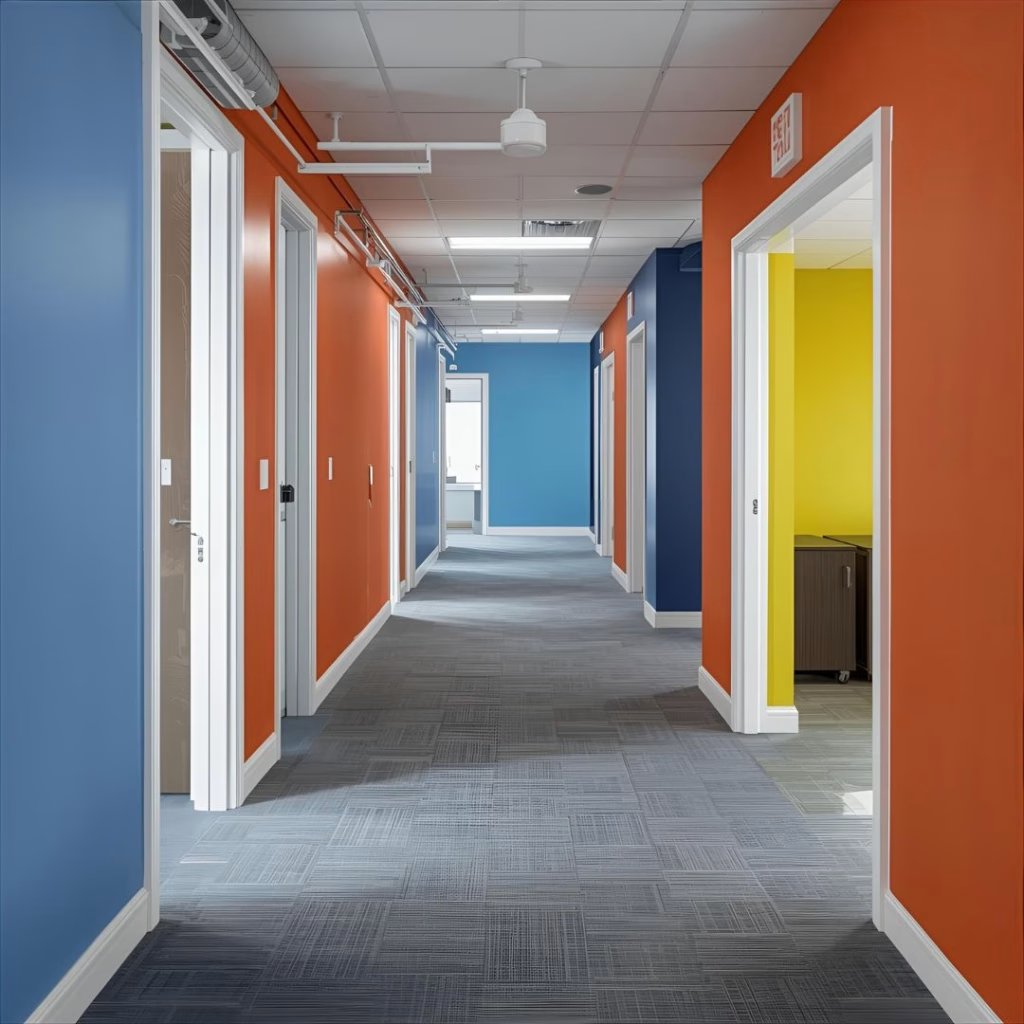
Colors evoke emotions — and in commercial interiors, they can shape behavior. From energizing reds to calming blues, thoughtful color use can enhance your brand and boost performance. For more inspiration on modern palettes and styling tips, explore our guide on modern interior design ideas.
Pros:
Cons:
How to Implement:
- Pick a color palette that reflects your brand’s message.
- Use accent walls for bold color expressions.
- Add neutral tones to balance strong hues.
How It Works:
Color psychology works by triggering subconscious emotions, allowing you to influence perceptions and moods within your commercial space.
7. Industrial Loft Style
Raw finishes, exposed bricks, and metal accents define this bold, urban-inspired look. It’s ideal for studios, cafes, and offices that want a modern, edgy aesthetic.

Pros:
Cons:
How to Implement:
- Keep ceilings exposed with visible ductwork.
- Use metal frames and reclaimed wood.
- Add warm lighting for a cozy touch.
How It Works:
Industrial design merges vintage charm with urban simplicity, balancing functionality and bold character for a confident business atmosphere.
8. Multipurpose Breakout Zones
Modern offices need relaxation areas that inspire creativity. Breakout zones encourage social interaction and mental refreshment during work hours. To see how comfort-driven spaces can be designed beautifully, explore our ideas on residential interior design.

Pros:
Cons:
How to Implement:
- Include soft seating and open tables.
- Add fun elements like bookshelves or board games.
- Designate zones near natural light sources.
How It Works:
Breakout areas blend leisure and work — giving employees mental resets that improve creativity and overall performance.
9. Minimalist Retail Display Design
In retail spaces, minimalism lets products shine. Clean shelves, neutral tones, and smart lighting guide customer focus directly to your merchandise.

Pros:
Cons:
How to Implement:
- Keep color schemes soft and balanced.
- Use spotlighting to emphasize bestsellers.
- Maintain open floor spacing for easy flow.
How It Works:
Minimalist retail design focuses customer attention and improves shopping experience by reducing distractions and enhancing brand clarity.
10. Sustainable & Eco-Friendly Design
Sustainability is the future of commercial interiors. Using recycled materials, energy-efficient systems, and eco-conscious layouts reduces costs and enhances brand reputation.

Pros:
Cons:
How to Implement:
- Choose low-VOC paints and natural materials.
- Install energy-efficient lighting and HVAC systems.
- Integrate recycling and green waste solutions.
How It Works:
Sustainable design minimizes environmental impact while creating a modern, healthy, and future-proof commercial space that clients appreciate.
Elevate Your Commercial Space
A powerful commercial interior design shapes how your business looks and feels — it sets the tone for creativity, collaboration, and client impressions. From office layouts to lighting and materials, every element contributes to how people experience your brand.
For more global design inspiration and trends, explore expert insights at Architectural Digest. Their resources complement our vision at Mansion Freak — helping you discover timeless commercial interiors that balance innovation with style.