There’s a particular kind of madness that comes with renovating in New York City. Not the creative kind, though there’s plenty of that too. The kind where permits stall for weeks, building co-op boards weigh in on everything from ceiling heights to tile selections, and your architect and contractor are playing telephone while your project budget quietly bleeds out. Anyone who has lived through a Manhattan renovation knows the feeling.
That’s precisely why the design-build model has taken hold in New York the way it has. In a city that rewards efficiency and punishes waste, combining design and construction under one roof is a logical response to one of the most demanding built environments in the world.
One Team. One Vision. Zero Blame.
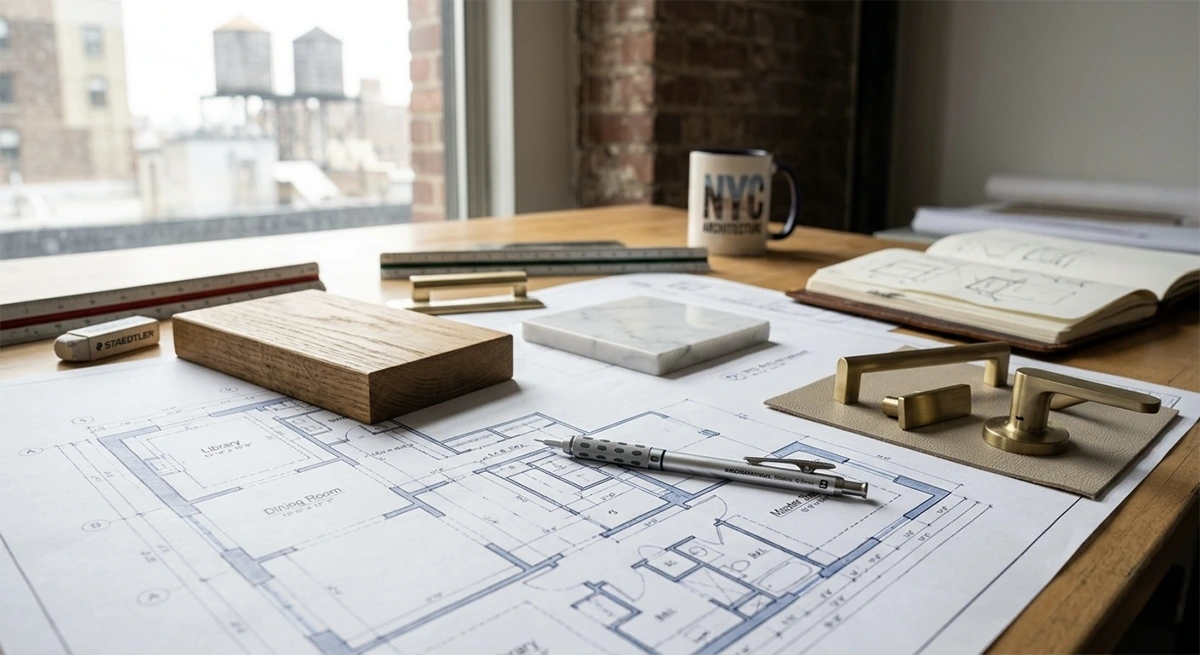
The traditional approach to renovation separates the people who dream up a space from the people who actually build it. In theory, this sounds reasonable. In practice, especially in New York, it creates friction at every turn. The architect envisions something beautiful. The contractor says it can’t be done on time or on budget. The client is caught in the middle, mediating between two parties who don’t share accountability.
Design-build changes that equation entirely. When a single firm handles everything from the first sketch to the final coat of paint, there’s no gap between concept and execution. The designer understands what the crew can build. The builders understand what the designer intends. And the client has one point of contact, one contract, and one team invested in the outcome.
For Manhattan homes specifically, this matters enormously. Pre-war Upper West Side apartments have quirks no blueprint fully captures until someone opens a wall. Downtown loft conversions in Tribeca or SoHo carry their own structural surprises. Upper East Side townhouses bring landmark designation considerations that require a team fluent in both aesthetics and compliance. A design-build firm that works regularly in these neighborhoods doesn’t just know the buildings. They know the buildings.
The Manhattan Renovation Reality
New York City is, without exaggeration, one of the most complex places in the world to renovate a home. The Department of Buildings processes thousands of permit applications. Co-op and condo boards impose their own timelines and restrictions. Neighbors in shared buildings have legal standing to slow down work. And the sheer density of the city means that every material delivery, every dumpster, every crew arrival has to be choreographed around a functioning street-level world.
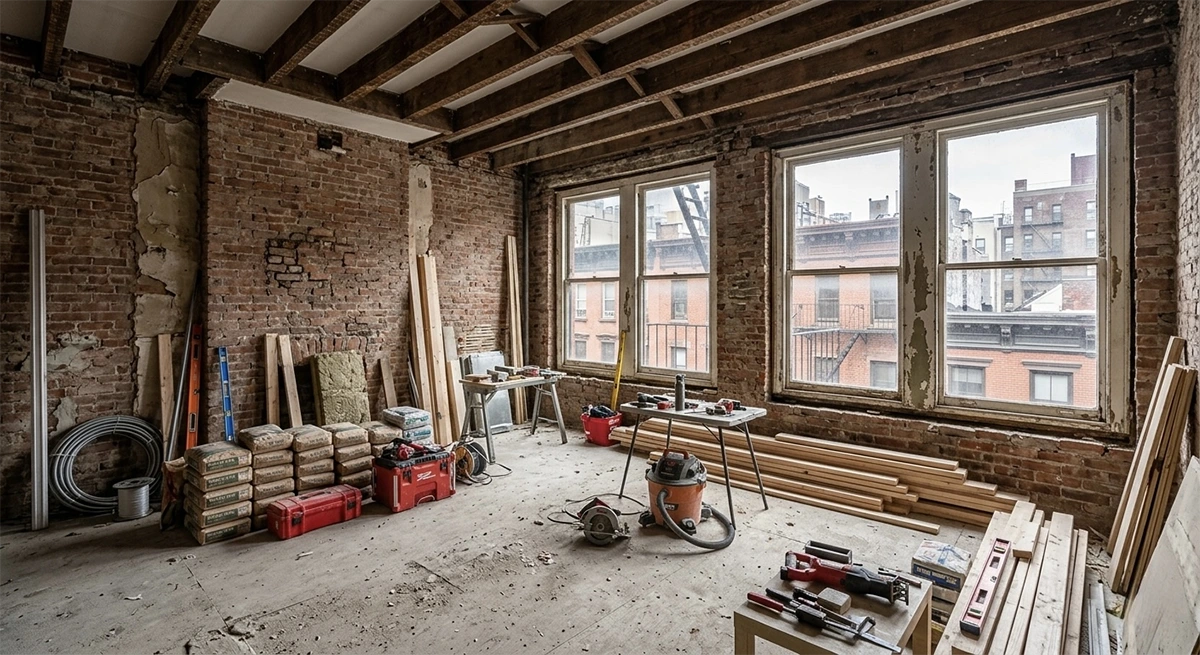
Add to this the premium on square footage, and the stakes rise further. In a Park Avenue co-op or a West Village brownstone, every inch of reconfigured space represents significant value. Decisions about layouts, whether to open a kitchen to a living area in a pre-war Midtown apartment or how to maximize natural light in a Brooklyn Heights townhouse, carry financial weight that extends far beyond aesthetics.
This is the context in which design-build firms in New York operate. Not as a shortcut, but as a framework built for complexity.
Luxury Renovation Without the Guesswork
At the higher end of the market, from penthouse renovations on the Upper East Side to full gut renovations of historic properties in the West Village or Carnegie Hill, design-build firms operate with the kind of precision that luxury projects demand. Custom millwork, imported stone, smart home integration, heating and cooling systems designed to disappear into the architecture. All of it requires coordination that only works when design intent and construction execution are aligned from day one.
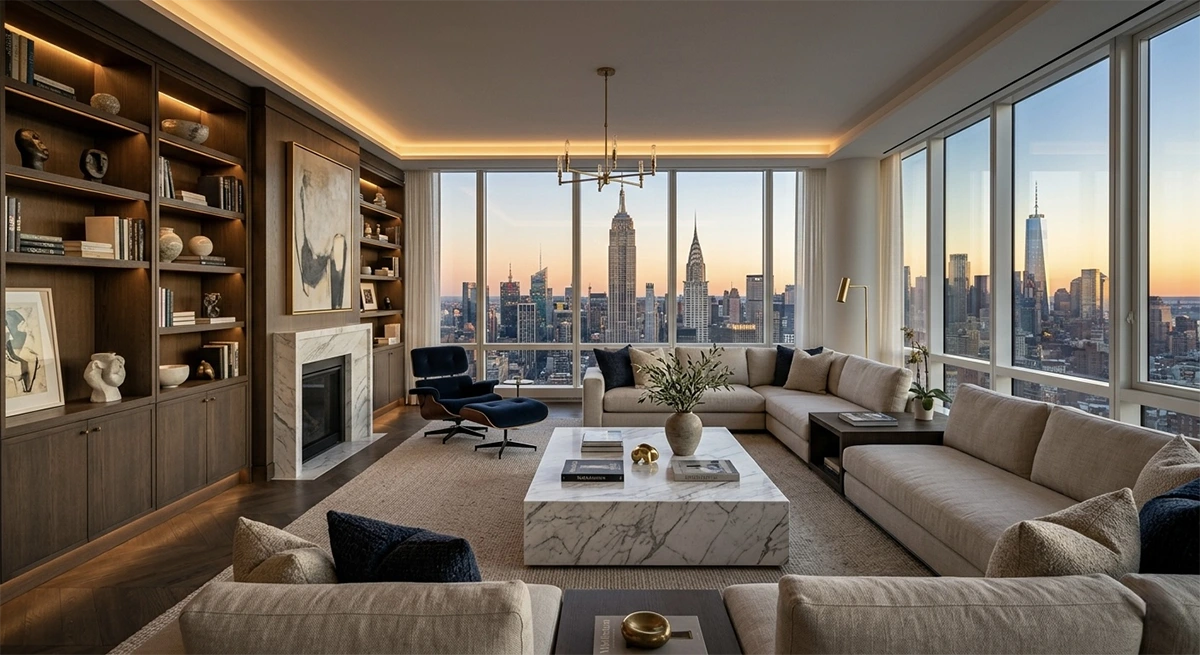
Interior design in this context goes beyond choosing finishes. It’s about creating spaces that feel genuinely tailored to the people who live in them, homes that reflect something real about their owners rather than assembling the expected signals of Manhattan luxury. The best design-build work in New York is the kind that looks inevitable, as if no other outcome was ever possible.
Why New Yorkers Are Choosing It
The clients choosing design-build for their Manhattan renovations aren’t doing so because it sounds appealing in theory. They’re doing it because they’ve watched friends navigate the alternative and emerged exhausted and over budget. They’re doing it because they’re renovating occupied homes in Gramercy or Kips Bay and can’t afford the delays that come from siloed teams. They’re doing it because they have demanding aesthetic standards and don’t want their vision diluted through layers of miscommunication.
New York rewards people who know how things actually work here. That applies to design and construction as much as anything else. The firms doing this well aren’t just delivering beautiful homes. They’re delivering them on time, within budget, and with the kind of fluency in New York’s regulatory and physical landscape that makes the whole process feel, if not effortless, then at least navigable.
In a city that demands everything, that’s not a small thing.
Frequently Asked Questions About Design-Build in New York City
What exactly is a design-build firm, and how is it different from hiring an architect and contractor separately?
A design-build firm handles both the design and construction of your project under one contract and one roof. When you hire an architect and a general contractor separately, you’re essentially managing two businesses with different priorities, different schedules, and different ideas about what went wrong when something does. A design-build firm eliminates that divide. The people drawing the plans are the same people, or work directly alongside the people, executing them. In New York, where timelines are tight and the margin for miscommunication is practically zero, that integration makes a tangible difference.
Is design-build more expensive than the traditional approach?
Not necessarily, and often the opposite is true. Because design and construction are coordinated from the start, costly surprises mid-project are far less common. Budgets are set with real construction knowledge behind them, not theoretical estimates that fall apart once work begins. For Manhattan renovations especially, where change orders can balloon quickly due to the complexity of older buildings and strict building codes, having a team that anticipated those challenges from day one tends to protect the budget rather than strain it.
How does the design-build process work in a New York co-op or condo building?
Co-op and condo renovations come with their own layer of approval. Before any work begins, the building’s board typically requires an alteration agreement, proof of insurance, and detailed plans showing exactly what will be done and how. An experienced design-build firm in New York will have navigated this process dozens of times. They know what documentation boards expect, how to structure plans to minimize back-and-forth, and how to schedule work within whatever hours the building permits. That fluency alone saves weeks.
What kinds of projects are best suited to the design-build model in NYC?
Almost any residential renovation benefits from it, but it’s particularly well-suited to full gut renovations, kitchen and bathroom remodels that require significant reconfiguration, pre-war apartment restorations, and townhouse or brownstone renovations where structural surprises are common. Projects in landmark districts, which cover significant portions of the Upper East Side Historic District, the West Village, and other Manhattan neighborhoods, also benefit from having a team that understands both the aesthetic constraints and the approval process that comes with them.
How long does a typical design-build renovation take in Manhattan?
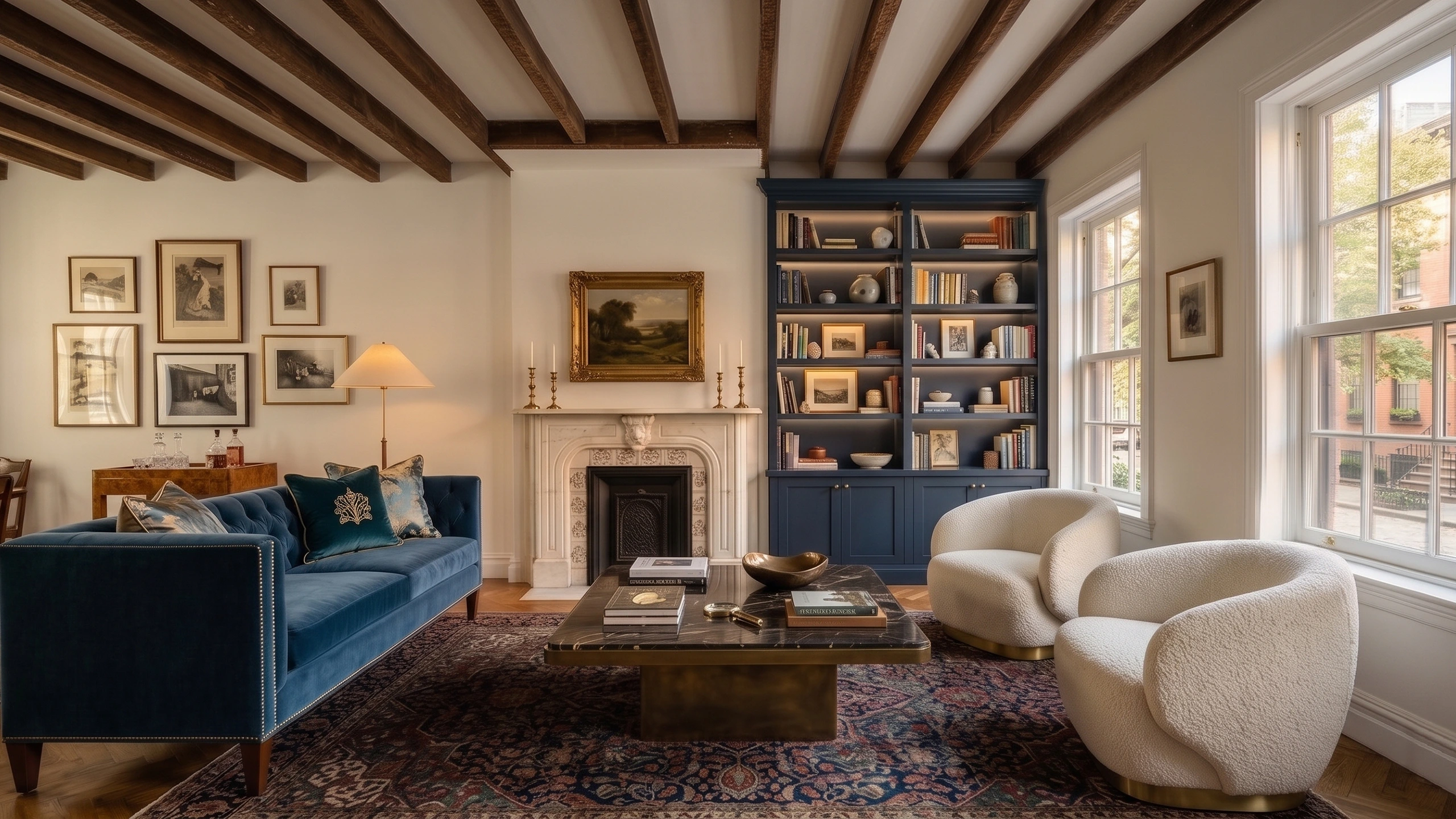
It depends heavily on the scope. A high-end kitchen renovation in a Midtown co-op might run three to five months from design to completion. A full gut renovation of a Park Avenue apartment or a multi-floor townhouse renovation can take anywhere from eight months to over a year. The design-build model doesn’t necessarily make projects faster in an absolute sense, but it reduces the dead time between phases that tends to stretch timelines when design and construction teams aren’t aligned. Less waiting for approvals, fewer revisions, fewer surprises.
What should I look for when choosing a design-build firm in New York?
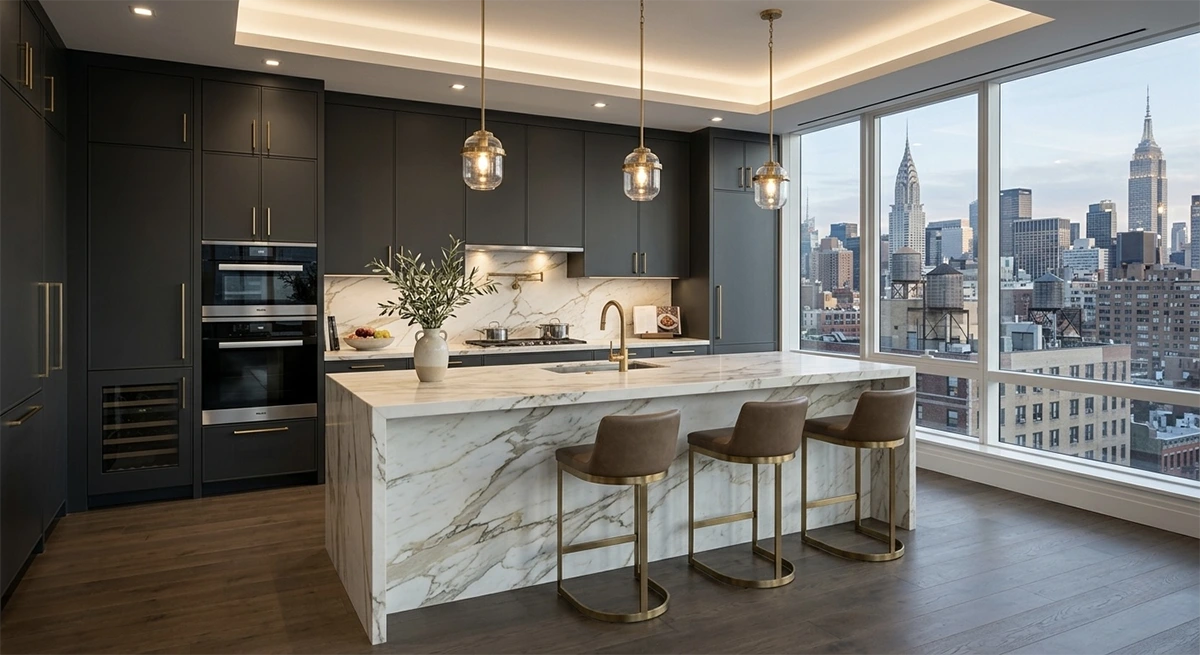
Local experience is non-negotiable. A firm that has worked extensively in Manhattan understands the building stock, the regulatory environment, and the practical realities of construction in a dense urban setting. Beyond that, look for a clear process and transparent communication. You should understand exactly what you’re getting at every stage, who is responsible for what, and how decisions get made. Strong references from past clients in similar building types, whether pre-war co-ops, landmarked townhouses, or new construction condos, are worth more than any portfolio photograph.