
Finding a suitable living space with one other person requires careful planning. The way a room is set up affects daily comfort, sleeping habits, and general mood. A good floor plan makes cohabitation smooth and stress-free for everyone.
Many people overlook design details when touring potential apartments. Choosing the wrong setup can lead to unnecessary friction between roommates later. Paying attention to floor plan elements helps prevent future living headaches.
Balanced Floor Space Distribution
Equal space distribution helps maintain peace between residents. Nobody wants to feel like they received the smaller half of the deal during move-in. A fair split prevents ongoing arguments about who occupies the better side.
Roommates often struggle to balance their personal zones without clear boundaries. Finding a great match on platforms like Roomster helps people connect over shared spatial expectations before signing a lease. Having equal square footage allows both individuals to decorate without feeling cramped.
Symmetrical arrangements offer a clear sense of order in tight quarters. A recent design guide from an online furniture specialist noted that symmetry brings balance to small areas, making them feel larger and better organized. This approach helps both occupants feel equally valued.
Strategic Bed Placement Options
The position of the beds determines the flow of the entire room. Placing sleeping spaces too close together eliminates any sense of personal privacy. Putting adequate distance between sleeping areas creates distinct zones for each individual.
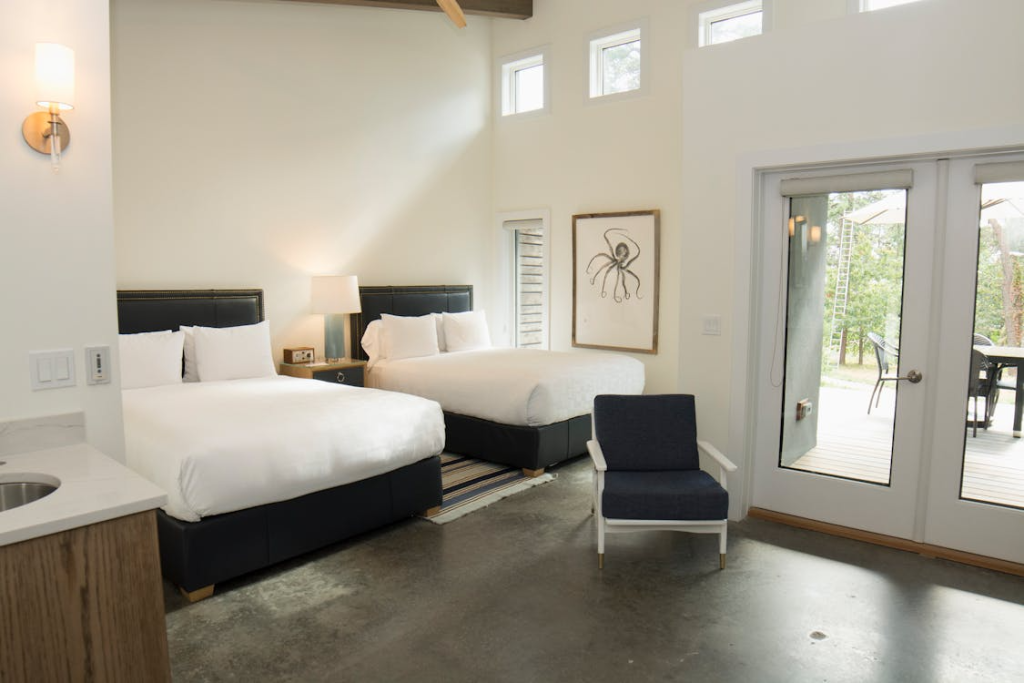
Parallel configurations work exceptionally well when the room is wide enough. This setup allows each person to claim their own side of the room completely. It creates an easy, unobstructed pathway through the space.
Some layouts utilize smart L-shaped configurations to maximize the available floor area. This positioning opens up the center of the room for desks or entertainment choices. It provides an excellent way to handle tight corners.
Individual Storage Solutions
Shared living spaces require plenty of closet and drawer capacity to remain comfortable. Clothes and personal items can accumulate quickly, leading to messy surroundings. Having dedicated storage spaces keeps clutter out of sight.
Look for rooms that feature independent closets or divided wardrobe systems. Separate storage units mean you do not have to negotiate over hanging space. It gives each resident complete control over their personal belongings.
Under-bed storage containers can provide excellent secondary options for clothing items. Utilizing vertical space with tall dressers can clear up valuable floor area for daily movement. Smart organization methods keep the environment looking tidy.
Dedicated Personal Privacy Zones
Everyone needs a quiet spot to decompress after an exhausting day. Even the closest roommates require moments of solitude away from each other to recharge. A layout should offer ways to separate oneself visually.
Room dividers, heavy privacy curtains, or strategically placed bookshelves act as temporary walls. These physical boundaries block light and sound when 1 person needs to sleep early. They give a sense of independence within a room.
Look for layouts that naturally feature distinct architectural nooks or recessed walls. These unique design details make it much easier to set up private corners. They allow residents to feel isolated even when sharing a single room.
Visual Harmony and Cohesive Color Schemes
Clashing decor choices can make a shared room feel chaotic and small. Agreeing on a unified style creates a pleasant environment for both occupants. Visual order contributes significantly to a relaxed and welcoming domestic atmosphere.
A recent article by design experts at The Coolist suggested using matching beds and a single shared nightstand paired with a calming color scheme to keep the area visually quiet. Selecting neutral tones helps the entire room feel unified. This coordination prevents the space from looking like 2 different rooms smashed together.
Selecting the right design elements helps maintain this visual balance. Consider these factors when coordinating style choices with a roommate:
- Identical bedding styles create an instant sense of neatness.
- Shared lighting fixtures minimize messy cords on tabletop surfaces.
- Matching storage bins hide personal items uniformly across the room.
Accessible Power Outlets and Lighting
Modern living requires plenty of accessible electrical outlets for charging multiple devices. A lack of plugs leads to dangerous extension cords stretching across the floor. Each person needs convenient access to electricity near their bed or desk.
Check the room for outlets positioned on both sides of the main space. Having separate plugs prevents petty arguments over who gets to charge their phone overnight. It allows both residents to set up lamps comfortably.
Independent task lighting is another major factor to verify before moving into a room. Separate reading lights allow 1 roommate to study without waking the other sleeper. Controlling your own light source maintains a respectful living environment.
Separate Bathroom Accessibility
Morning routines can become a major source of friction in shared housing situations. Waiting for someone to finish showering can make you late for work. Having efficient access to bathroom facilities is a massive benefit.
A floor plan guide from architecture website Foyr states that a layout featuring 2 bathrooms represents the absolute highest standard for shared living setups. This setup minimizes scheduling conflicts during busy morning rushes. It provides a level of personal luxury that makes roommate life much simpler.
If a second bathroom is unavailable, look for split designs where the sink sits outside the main toilet area. This arrangement allows one person to brush their teeth and another to use the shower. It keeps the household moving smoothly.
Flexible Furniture Arrangements
Living needs can shift significantly over the course of a lease agreement. Furniture that only fits in one specific spot limits your layout options drastically. A good room accommodates changes in personal preference or lifestyle.
Look for layouts that permit multiple configurations of desks, dressers, and beds. Lightweight or modular items can be moved around when you want a fresh look. This flexibility makes the room feel far less restrictive.
Versatile layouts offer distinct advantages for long-term domestic comfort. Flexible spaces allow for easy adjustments:
- Rearranging desks can create better work environments during exams.
- Moving beds apart can increase personal privacy when needed.
- Changing storage locations can optimize daily walking paths.
Choosing a shared room layout requires thinking about daily routines and personal habits. Examining floor plans closely prevents future arguments, frustration, and physical discomfort. A well-selected space supports a harmonious relationship between roommates over the long haul.
Prioritizing balance, ample storage, and personal privacy makes the shared living experience genuinely enjoyable. Keep these layout factors in mind during your apartment hunt to find a great home. The right environment turns a simple room into a true sanctuary.