Luxury homes used to be judged by scale first. Bigger rooms. Longer driveways. More columns than anyone knew what to do with. The result could be impressive, sure, but not always smart.
Modern luxury architecture is taking a different turn. It’s becoming cleaner, sharper, faster, and more intentional. Prefab-inspired design is a big reason why.
This doesn’t mean mansions are suddenly turning into plain box houses. Far from it. The new wave of high-end homes still includes dramatic glass walls, floating staircases, wide terraces, spa-style bathrooms, and magazine-worthy kitchens. The difference is in how these homes are planned and built.
There’s less waste. More precision. Fewer awkward floor plans. And thank goodness for that.
Precision Is Becoming a Luxury Feature
Prefab-inspired design brings a level of planning that traditional custom builds sometimes miss. Every measurement matters. Every panel, window placement, ceiling height, and structural connection is considered before construction begins.
That level of control can make a home feel more refined.
In luxury architecture, precision shows up in quiet ways. Cabinetry lines up perfectly with wall panels. Windows frame a view instead of randomly interrupting a room. Lighting tracks sit cleanly within ceilings. Materials meet without messy transitions.
It’s not always the first thing visitors notice, but it’s part of what makes a home feel expensive.
A mansion doesn’t need to scream. Sometimes it just needs to fit together beautifully.
Faster Builds Without the Rushed Look
One of the biggest reasons prefab-inspired design has caught the attention of luxury homeowners is speed. Traditional custom builds can drag on for years. Weather delays, labor shortages, supply issues, and design changes can stretch timelines far beyond what anyone planned.
Prefab thinking helps reduce that chaos.
Many components can be planned, engineered, or partially prepared before they arrive on-site. That creates a more efficient process and can help projects stay closer to schedule. For high-end homeowners, that matters. Nobody wants a dream home that feels like a permanent construction zone.
Still, speed alone isn’t enough. A rushed-looking mansion is not a win. The best prefab-inspired luxury homes use efficiency without sacrificing detail. The home still gets the stone, the glass, the custom millwork, the statement lighting, and the beautiful landscaping.
It just doesn’t take forever to get there.
Cleaner Construction, Cleaner Living
Luxury buyers are paying more attention to what happens during the build, not just the final result. Construction can be messy. Dust, debris, exposed materials, and constant site activity can affect nearby spaces, especially when a project involves renovating an existing estate or building beside a finished guest house, pool house, or garden structure.
That’s where careful site planning becomes part of the luxury experience. In busy cities, coastal neighborhoods, and high-value residential areas, dust control solutions can help reduce airborne debris during construction and protect surrounding finishes, outdoor spaces, and neighboring properties.
It’s not glamorous. No one is pinning construction dust management to a dream-home mood board.
But it matters.
A cleaner build can protect expensive materials before the home is even finished. It can also make the construction process less disruptive for everyone involved. In the world of luxury architecture, that kind of control feels less like a bonus and more like common sense.
Design That Feels Custom, Not Cookie-Cutter
Prefab used to have a reputation problem. People heard the word and pictured basic, repetitive homes with limited personality. That old image doesn’t match what’s happening now.
Prefab-inspired luxury design is not about copying the same house again and again. It’s about using smarter systems to create better homes.
A mansion can still feel completely custom. The layout can respond to the landscape. The exterior can use stone, timber, glass, metal, or concrete. The interiors can feature bespoke furniture, sculptural lighting, art walls, wine rooms, private gyms, and cinema spaces.
The structure may use repeatable logic, but the final design can feel highly personal.
That’s the sweet spot. Efficiency without blandness.
Better Use of Land and Views
Great mansion design starts with the site. The best homes know where the sun moves, where the views open up, where privacy is needed, and where the land naturally wants the house to sit.
Prefab-inspired architecture often works well with this kind of thinking because it encourages strong planning from the beginning. Instead of making endless changes mid-build, designers map the home carefully around orientation, access, outdoor living, and room flow.
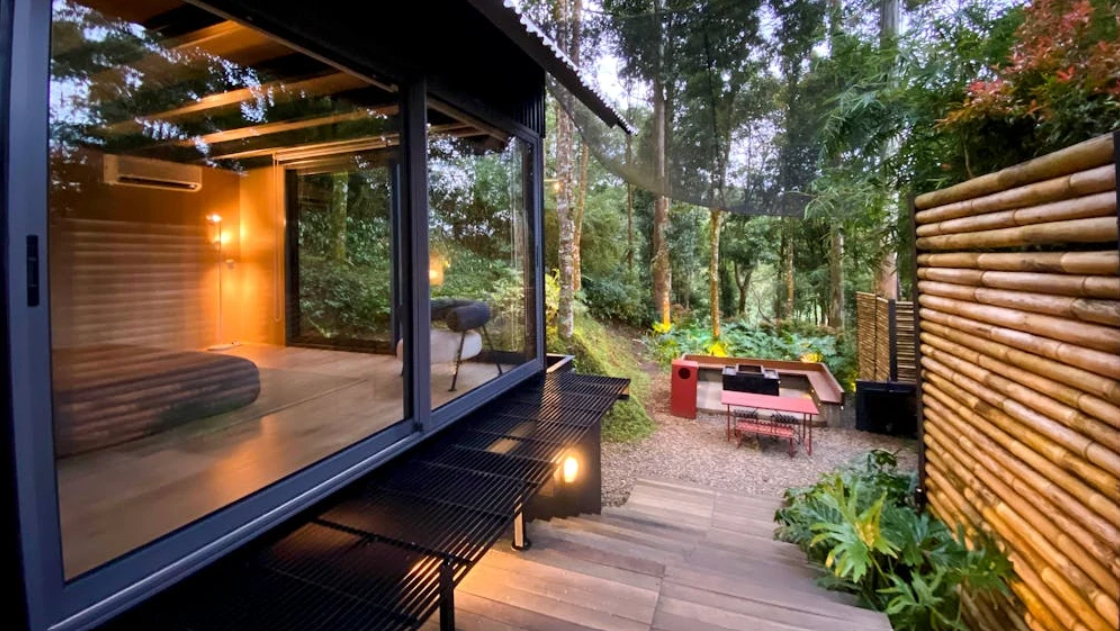
Large glass sections can face the best view. Bedrooms can sit in quieter zones. Courtyards can bring light into the center of the home. Outdoor terraces can connect naturally to kitchens and living spaces.
Simple idea. Big impact.
A mansion should not fight its location. It should make the most of it.
Flexible Spaces for Modern Lifestyles
Luxury homes are no longer designed around formal rooms that barely get used. The old “look but don’t touch” mansion layout feels dated now.
Today’s high-end homes need flexibility. Families want offices, wellness rooms, guest suites, media lounges, indoor-outdoor entertaining areas, and private spaces that can change over time.
Prefab-inspired planning supports that shift. Rooms can be designed as adaptable zones instead of fixed-purpose spaces. A guest wing might later become a studio. A pool house might work as a private office. A wellness room might convert into a nursery, library, or hobby space.
The wider interest in modular housing has also influenced luxury architecture, especially in places where homeowners want guest cottages, secondary suites, or remote retreats that feel polished but can be planned with greater efficiency.
This doesn’t make a mansion less luxurious. It makes it more useful.
And useful is underrated.
Sustainability Without the Lecture
Sustainable design can sometimes sound painfully serious. Important, yes. Exciting? Not always.
Prefab-inspired architecture makes sustainability feel more practical. Controlled planning can reduce wasted materials. Efficient building methods can limit unnecessary site disruption. Better insulation, tighter construction, and smarter glazing can improve energy performance.
For luxury homeowners, this means comfort and responsibility can sit in the same room.
A well-designed mansion can stay cooler in summer, warmer in winter, and more efficient all year. It can use natural light beautifully. It can support solar panels, rainwater systems, energy-efficient appliances, and durable materials that age well.
The best part? None of this has to make the home look overly technical. Sustainability can be quiet. Elegant, even.
Why the Look Feels So Modern
Prefab-inspired luxury homes often share a clean architectural language. Strong lines. Open spaces. Large windows. Minimal clutter. Seamless transitions between inside and outside.
That look fits the way people want to live now.
There’s less interest in heavy decoration and more interest in calm, open rooms that feel easy to use. Materials carry the mood: warm wood, smooth stone, polished concrete, soft textiles, matte metals. The result feels modern without feeling cold.
Done badly, minimalist design can feel like a hotel lobby with trust issues.
Done well, it feels peaceful.
Prefab-inspired design works best when it balances structure with warmth. The home should feel precise, but not sterile. Dramatic, but still livable.
The Mansion of the Future Feels Smarter
Prefab-inspired design is changing luxury home architecture because it challenges an old idea: that a mansion has to be complicated to be impressive.
It doesn’t.
A truly modern mansion can be beautifully planned, efficiently built, flexible, comfortable, and deeply personal. It can use advanced construction thinking without losing character. It can feel grand without feeling wasteful.
That’s the shift.
Luxury is no longer just about having more. It’s about making every part of the home work better.