Homes are changing because the way people live is changing. Residential architecture now has to do more than create attractive spaces. It must support flexible routines, improve energy performance, respond to technology, and make life easier. The homes of the future are not defined by one style or one material. They are shaped by thoughtful decisions that balance beauty, practicality, and long term value. As expectations shift, residential architecture is becoming smarter and more adaptable.
Why Residential Architecture Is Evolving
Residential architecture is evolving because homeowners now expect more from the spaces they live in every day. They want homes that are efficient, functional, and able to support changing needs over time. This shift is also influencing related fields, including the work of the best Fort Lauderdale interior design firms, which help shape how modern homes feel once the architectural framework is in place. Design is no longer just about appearance. It is about creating homes that respond to climate, lifestyle, comfort, and long term performance.
Flexible Layouts Are Becoming Essential
One of the biggest shifts in residential architecture is the move toward flexibility. Homes are no longer designed around rigid room definitions alone. A dining area may also serve as a workspace. A guest room may double as an office. Open living spaces are still popular, but they are planned with more purpose, allowing privacy when needed without losing flow. This flexibility makes homes more useful over time. It also helps families adapt to changing work habits and priorities without major renovations.
Sustainability Is Now a Core Design Priority
Sustainability has become central to how new homes are designed. Energy efficiency, better insulation, high performance windows, passive cooling, and durable materials all play a larger role than they did in the past. Homeowners are paying closer attention to operating costs, environmental impact, and durability. Architects are responding by designing homes that use resources carefully and perform better in local climates. Sustainable design is no longer treated as a niche preference. It is becoming a standard expectation in residential architecture because it supports responsible building and better living.
Smart Technology Is Being Built Into the Design
Technology is also changing how homes are planned from the beginning. Smart lighting, climate control, security systems, and energy monitoring are no longer separate extras added at the end of a project. They are being considered earlier so they can be integrated naturally into the design. When done well, technology improves convenience without taking over the look or feel of a home. The goal is not to make a house feel mechanical. It is to create a space that works more smoothly and supports comfort without clutter.
Natural Light and Indoor Outdoor Living Still Lead
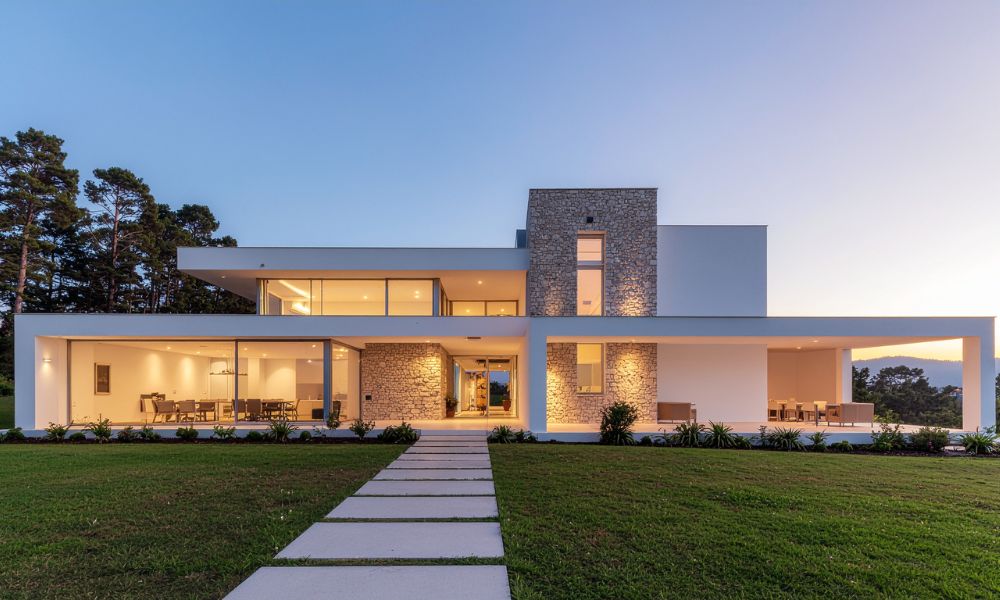
Even as homes become smarter, some of the most important trends remain rooted in timeless design principles. Natural light continues to shape modern residential architecture because it makes spaces feel larger, calmer, and more inviting. Large windows, sliding glass doors, and stronger indoor outdoor connections are still in demand. These features help homes feel open while also strengthening the link between architecture and environment. In warm climates, this approach improves livability and appeal.
Materials Are Chosen for Performance and Warmth
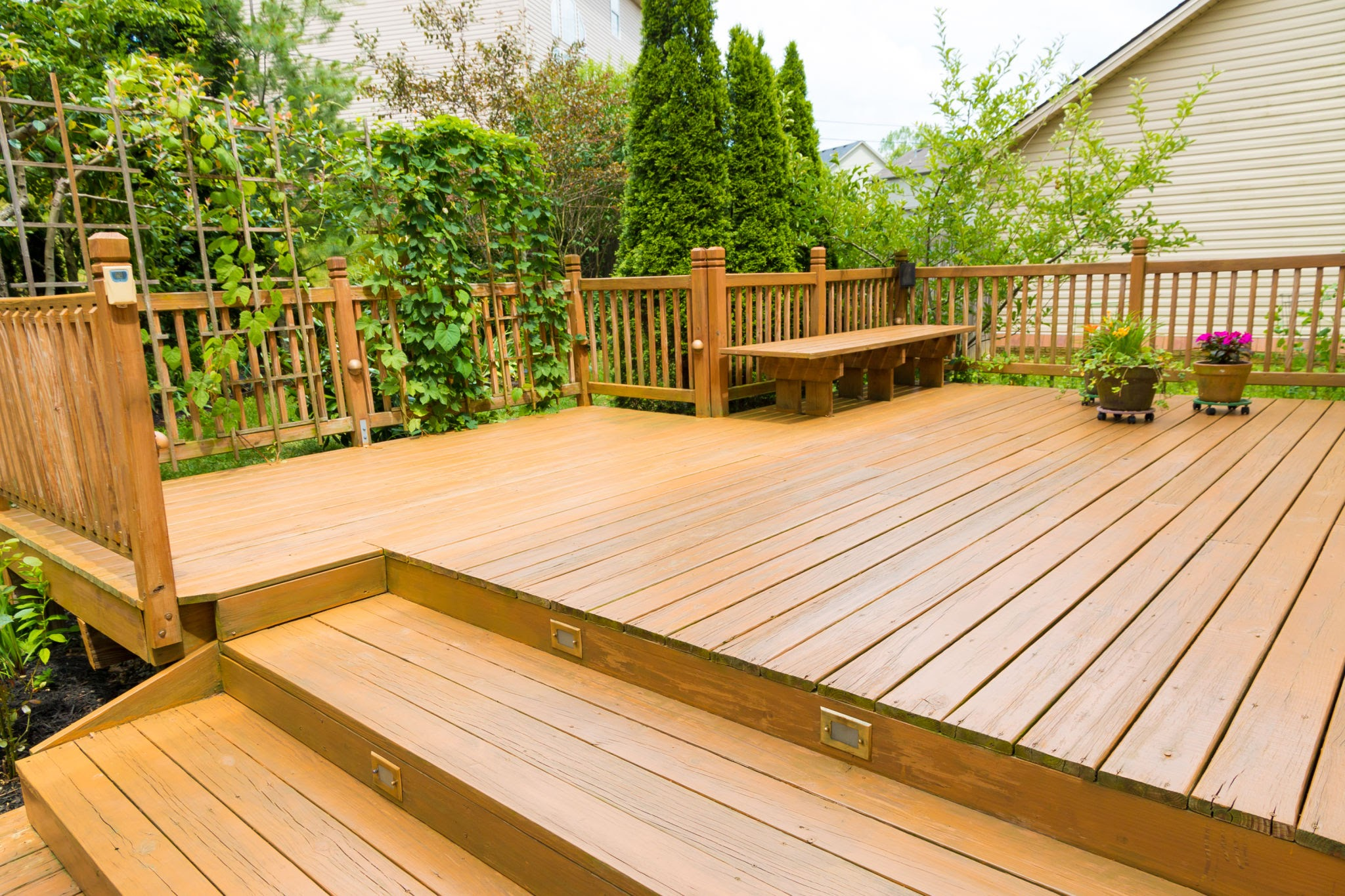
Material selection is also becoming more intentional. Homeowners still want clean, modern finishes, but they also want warmth and texture. That is why wood, natural stone, plaster, glass, and other tactile materials remain popular. At the same time, performance matters more than ever. Materials are expected to hold up well, require less maintenance, and support energy conscious building strategies. The strongest residential projects use materials that do more than look good. They help create a home that feels grounded, comfortable, and built to last.
Future Ready Homes Focus on Long Term Living
Another major trend is planning for how a home will function years from now, not just on move in day. Future ready design includes features that support aging in place, easier maintenance, changing family needs, and better accessibility. This approach adds value because it helps a home remain useful through different stages of life. Rather than chasing short term trends, architects are creating spaces that can evolve. That long term thinking is becoming one of the clearest signs of strong residential design.
Conclusion
The future of residential architecture lies in homes that are flexible, efficient, comfortable, and built with intention. Style still matters, but it now works alongside sustainability, smart technology, and practical planning. The strongest homes are the ones that respond to real life while still feeling timeless. As these trends continue to shape the industry, residential design will keep moving toward spaces better suited for the way people want to live now and in the years ahead. That shift is already visible across new residential projects today.