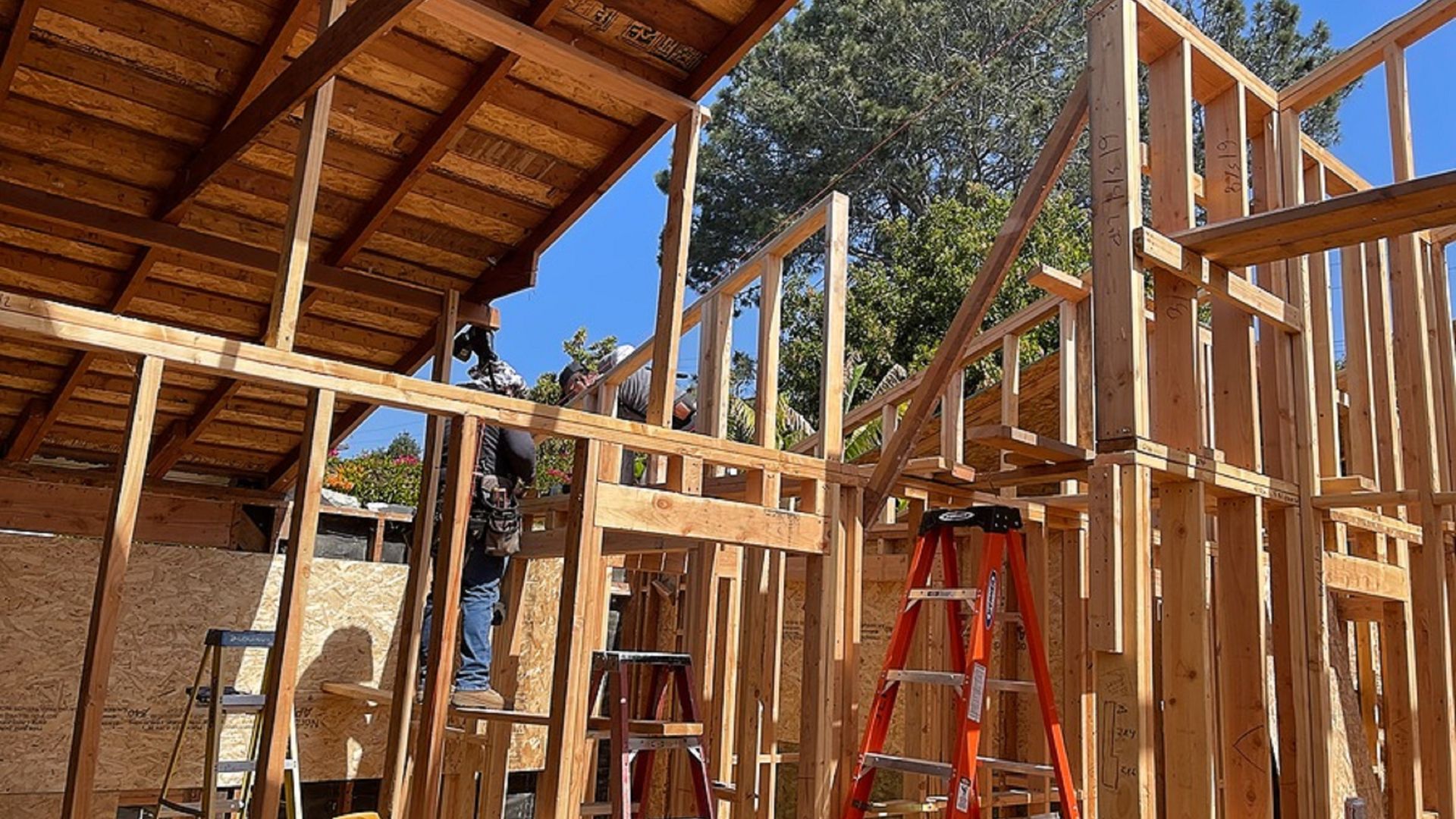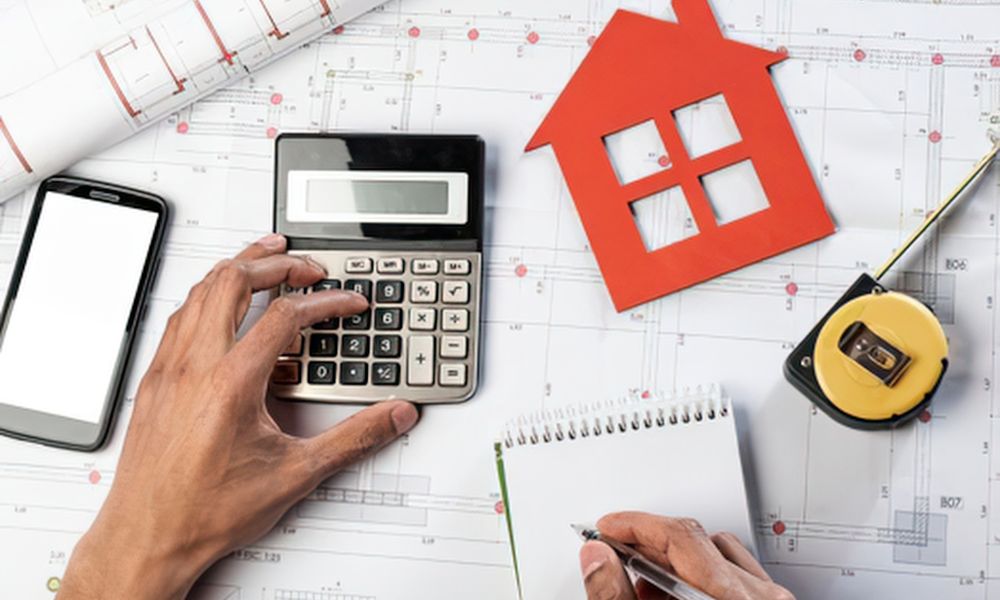
Building a custom home is one of the biggest financial decisions most homeowners will ever make. The exciting part is choosing the floor plan, exterior style, kitchen layout, finishes, windows, and outdoor living spaces. The stressful part is trying to understand what the home will actually cost before you sign a contract.
Many homeowners start with a dream home idea, a few inspiration photos, or a rough square footage target. Then they contact builders and receive estimates that are either too vague, too broad, or difficult to compare. One contractor may include site work. Another may exclude utility connections. One bid may include basic finishes. Another may assume premium materials. Without a clear cost framework, it becomes very hard to know whether a quote is fair.
Before hiring a contractor, it is worth building your own early cost estimate. It does not need to replace a professional bid, but it can help you understand the major cost categories, ask better questions, and avoid expensive surprises.
Start With the Size and Type of Home
The first number most people focus on is square footage. While square footage is important, it is only the starting point. A simple one-story rectangular home is usually easier to price than a complex multi-level home with rooflines, large glass openings, covered porches, balconies, custom stairs, and premium exterior materials.
For example, a 2,000 sq ft farmhouse-style home and a 2,000 sq ft luxury modern home can have very different construction costs. The same square footage does not always mean the same budget.
Before speaking with builders, define the basics:
Total heated living area
Number of stories
Foundation type
Garage size
Porches, decks, patios, or outdoor living areas
Roof complexity
Exterior material preferences
Finish level: budget, standard, premium, or luxury
The more specific you are, the more meaningful your estimate will be.
Understand the Main Construction Cost Categories
A home build is not one single cost. It is made up of many smaller categories. When a contractor gives you one large number without a detailed breakdown, it can be difficult to see what is included and what is missing.
A better estimate should separate the project into major categories such as:
Site preparation and grading
Foundation
Framing
Roofing
Windows and exterior doors
Siding, stone, brick, or exterior finishes
Plumbing
Electrical
HVAC
Insulation and drywall
Interior finishes
Cabinets and countertops
Flooring
Paint
Permits, inspections, and fees
Contractor overhead and contingency
This kind of breakdown makes it easier to compare contractor bids and identify missing items before they become change orders.
Do Not Ignore Site Work
Site work is one of the most overlooked parts of a new home budget. Many homeowners focus on the house itself and forget that the land must be prepared before construction can begin.
Depending on the property, site work may include clearing trees, grading, excavation, driveway installation, drainage, retaining walls, septic systems, well drilling, sewer connections, temporary power, erosion control, and utility trenching.
A flat lot with existing utilities near the building pad is very different from a sloped rural property that needs a long driveway, septic design, and major grading. If your contractor estimate does not clearly define site work, ask for clarification before signing anything.
Permits and Local Fees Can Change the Budget
Permit costs vary by city, county, state, and project type. Some areas have simple building permit fees. Others may add plan review fees, impact fees, utility connection fees, school fees, inspection fees, septic permits, driveway permits, or energy compliance requirements.
These fees may not be obvious early in the process, but they can affect the total budget. Before finalizing your build plan, contact the local building department or ask your contractor to clearly list which permit costs are included in the estimate.
It is also helpful to check permit expectations early if you are building an ADU, guest house, barndominium, large garage home, or custom home in a rural area. Local rules can affect setbacks, height limits, utility requirements, parking, fire access, and inspection timelines.
Compare Bids Line by Line
When you receive contractor bids, do not only compare the final number. A lower bid is not always better if it excludes important work.
Look for these details:
Is the foundation included?
Are permits included?
Is site work included or excluded?
Are utility connections included?
What finish level is assumed?
Are cabinets, countertops, and appliances included?
Are porches, decks, and garages included?
Is landscaping included?
Is there a contingency allowance?
What items are specifically excluded?
Two bids can look similar at first but be very different once you read the exclusions. A contractor who provides a detailed scope may appear more expensive, but the final project may be more predictable.
Use an Independent Estimate Before You Commit
One smart step before hiring a contractor is to create an independent construction cost estimate. This gives you a baseline number before comparing bids.
For homeowners who want a quick starting point, tools like this home build cost estimate can help organize expected costs by category and give you a clearer view of the project budget before you speak with builders:
https://www.costtobuildhouse.com/estimate
An estimate will not replace a licensed contractor, architect, engineer, or local permit office, but it can help you understand whether a bid is reasonable and where the biggest cost drivers are likely to be.
Think About the Cost of Design Choices
Many design choices affect the budget more than homeowners expect. Some upgrades are obvious, such as premium cabinets or luxury flooring. Others are less obvious.
Budget-sensitive design choices include:
Complicated rooflines
Large glass walls or oversized windows
High ceilings
Multiple exterior materials
Large covered porches
Custom stairs
Long plumbing runs
Complex foundation shapes
Detached garages or workshops
Basements or sloped-site foundations
If your goal is to build a beautiful home while staying within budget, ask your designer or builder where the layout can be simplified without losing the overall look and function you want.
Plan for Contingency
Even with a strong estimate, custom homes can involve surprises. Material prices can change. Site conditions may be different than expected. Local officials may request updates. Homeowners may change finishes during construction.
A contingency budget helps protect the project. Many homeowners plan for at least 5% to 10% of the construction budget as a reserve. For complex projects, rural sites, or luxury homes, a larger contingency may be wise.
The key is to plan for uncertainty before it happens, not after the budget is already stretched.
Final Thoughts
Estimating the cost of a custom home before hiring a contractor is not about replacing professional expertise. It is about becoming an informed homeowner.
When you understand the major cost categories, site work, permits, finish levels, and bid exclusions, you can make better decisions and avoid signing a contract based only on a vague number.
Before you commit to a builder, take time to prepare your own budget framework, compare bids carefully, and ask direct questions about what is included. A clear estimate early in the process can save stress, money, and confusion later.