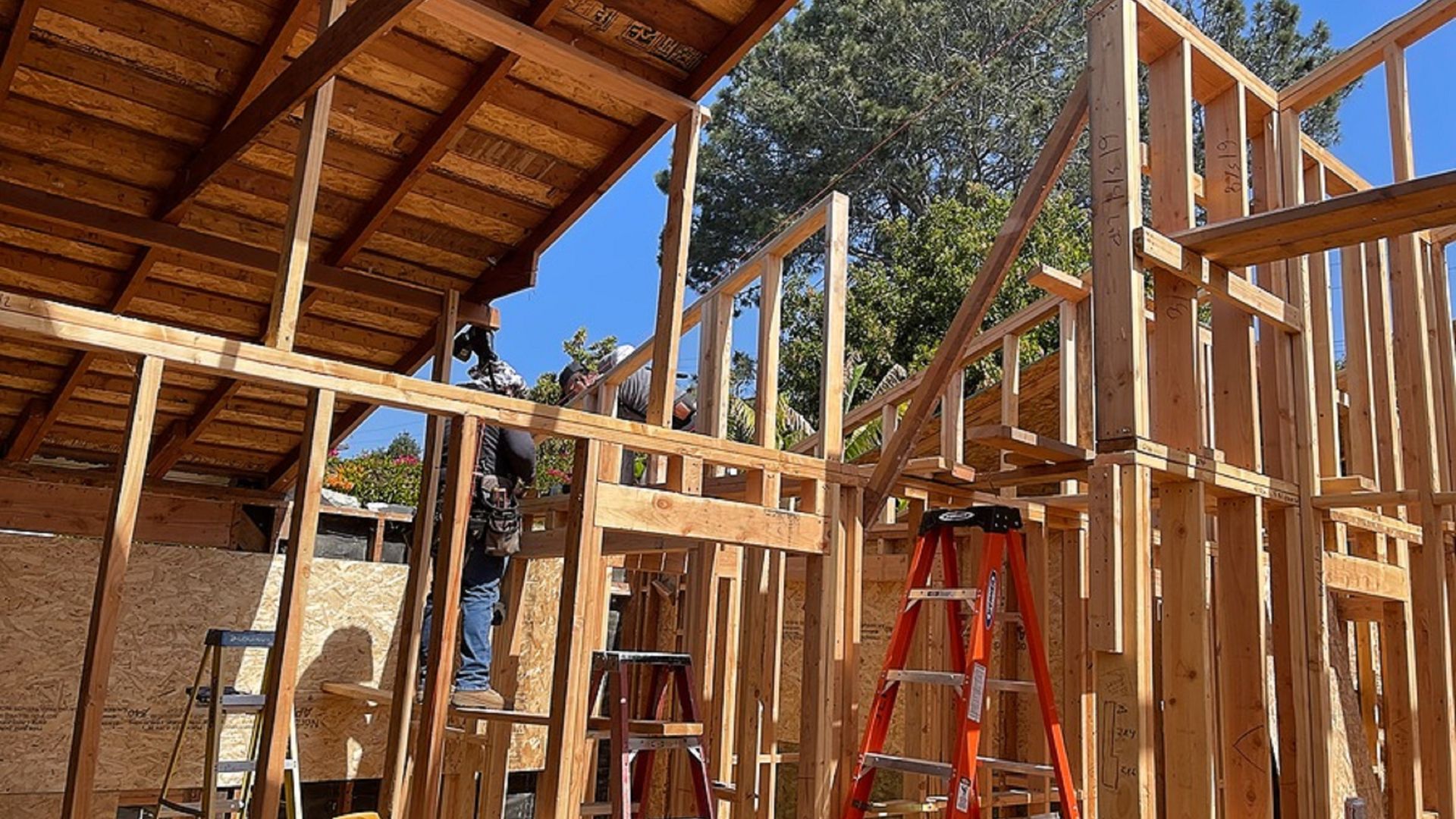
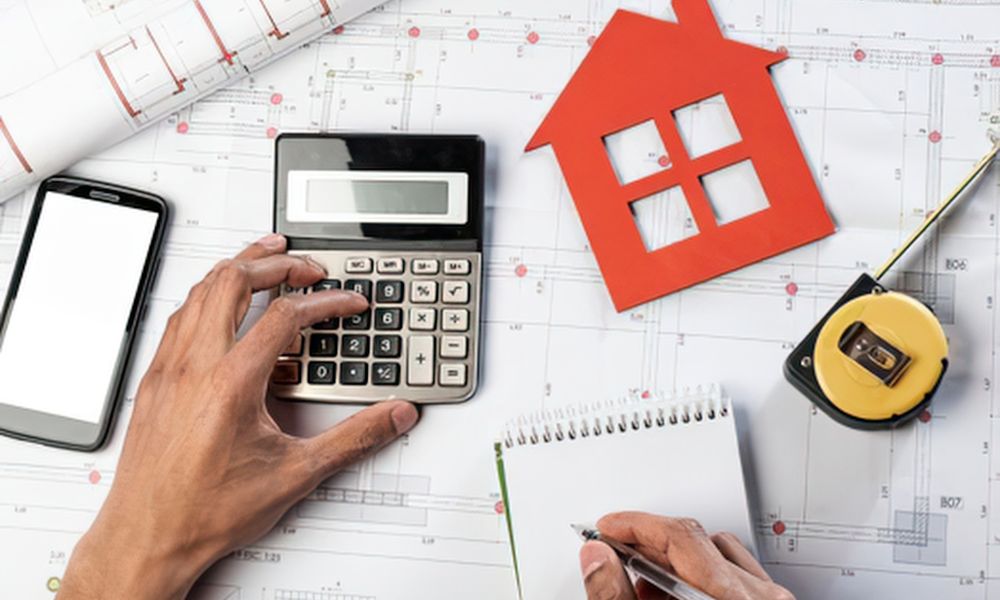
The sustainable building conversation in California has historically focused on large commercial projects and high-end custom homes. ADUs have flown under that radar, partly because of their small footprint, partly because the industry has been busy just building enough of them. That’s changing. The 2024 updates to Title 24, combined with growing homeowner demand for genuinely efficient small dwellings, have pushed ADU construction into one of the most interesting frontiers in residential sustainability.
The math actually works. Small footprint plus modern building science plus electrification equals a building type where net-zero operation is achievable on realistic budgets. Here’s what that looks like in practice.
Title 24 is already doing most of the work
California’s Title 24 energy code, updated in 2022 and strengthened again for 2025 implementation, requires new detached ADUs to meet essentially the same performance standards as new single-family homes. That includes:
- Solar photovoltaic systems sized to offset expected electrical use
- Heat pump water heaters (or equivalent) instead of gas
- High-performance building envelopes
- Mechanical ventilation with heat recovery on most builds
The practical effect: a Title 24-compliant ADU in 2026 is already roughly 40% more energy-efficient than a home built to the previous code. Homeowners who want to go further have diminishing returns to consider, but the baseline is strong.
Where the big efficiency gains come from
Envelope performance. The building shell — walls, roof, floor, windows, air sealing — determines 60% to 70% of energy performance. Standard construction hits R-21 walls, R-38 roof, R-19 floor. High-performance ADU construction targets R-28 walls (using 2×6 framing with exterior rigid insulation), R-49 roof, and R-30 floor. The incremental cost: roughly $8,000 to $14,000 on a typical build. The energy savings over 30 years: $22,000 to $38,000 plus meaningful comfort improvement.
Heat pumps for heating and cooling. Modern ductless mini-split heat pumps deliver three to four units of heating energy per unit of electricity consumed. In mild California climates they’re the most efficient system available. Single-zone systems for small ADUs run $4,500 to $7,500 installed. Multi-zone systems for larger units run $9,000 to $14,000.
Heat pump water heaters. 3x more efficient than gas storage. Typical cost $2,800 to $4,200 installed. Pays back in 5 to 7 years through reduced electric use and eliminates natural gas service on all-electric ADUs.
Induction cooking. Faster, more efficient, and eliminates indoor air quality concerns from gas combustion. Cost comparable to gas. Once homeowners use induction, they rarely go back.
Materials that move the needle
Recycled-content framing. Engineered lumber (LVL, glulam, I-joists) uses waste wood fiber and produces stronger members with less material. Most modern ADUs already use engineered lumber for headers and floor systems.
Low-carbon concrete. Foundation concrete is the single largest carbon contributor on most ADU builds. Concrete mixes with 30% to 50% supplementary cementitious materials (fly ash, slag) reduce embodied carbon by 20% to 35% with no performance penalty. Cost neutral or slightly less than standard mix. Available from most ready-mix suppliers once specified.
FSC-certified wood. Wood from Forest Stewardship Council-certified sources adds roughly 3% to 5% to material cost but verifies responsible sourcing. Increasingly standard on specification.
Mineral wool insulation. Replaces fiberglass in wall cavities. Better fire resistance, better acoustic performance, recycled content. Roughly 20% cost premium over fiberglass.
Natural finishes. Wood siding from sustainably managed forests, low-VOC paints, natural stone counters. All add modest premiums over standard alternatives but dramatically improve indoor air quality and environmental profile.
Solar that actually pays back
California requires solar on new detached ADUs under Title 24. The question isn’t whether to install solar — it’s how much. Minimum compliance sizing is modest. Right-sizing the system to cover actual expected electrical use, including heating and EV charging, requires larger capacity.
Typical ADU solar system sizes in California:
- Minimum Title 24 compliance: 1.5–2.5 kW ($5,500–$9,500 installed)
- Right-sized for all-electric operation: 4.0–6.0 kW ($11,000–$18,000 installed)
- Right-sized for all-electric + battery storage: 5.5 kW system with 10 kWh battery ($22,000–$32,000 installed)
The battery storage option is the sleeper value add. Paired with time-of-use electric rates, battery storage shifts consumption from peak-cost evening hours to stored solar production. Can reduce effective electric cost by 40% to 60% beyond what solar alone delivers.
Certifications worth pursuing
Most small residential projects don’t pursue formal certifications because the cost doesn’t justify the marketing value. Exceptions:
Zero Net Energy (ZNE) or Net Zero. Not a single certification but a measurable performance target. A ZNE ADU produces as much energy annually as it consumes. Achievable on most California ADU builds with proper envelope, right-sized solar, and all-electric systems. Provides measurable resale value benefit.
Passive House (PHIUS). Rigorous certification focused on envelope performance and ventilation. Adds $20,000 to $40,000 to a typical ADU build. Generally only pursued on luxury custom projects where the certification supports the property’s market positioning.
LEED for Homes. More common on luxury ADU builds. Certification cost $3,500 to $8,000 plus building upgrades required to meet target level. Mid-range LEED certification can be achieved with modest additional investment over Title 24 baseline.
The practical sustainable ADU specification
For homeowners who want genuinely sustainable ADU construction without pursuing formal certification:
- 2×6 framing with R-23 cavity plus R-5 continuous exterior insulation
- Triple-pane windows on north and east exposures, double-pane low-e elsewhere
- Dense-pack cellulose in walls, blown-in cellulose or mineral wool in roof
- Heat pump HVAC (single or multi-zone depending on unit size)
- Heat pump water heater
- Induction cooking, all-electric appliances
- 5–6 kW solar PV system (homeowners who can afford battery storage should add it)
- Low-carbon concrete mix on foundation
- FSC-certified wood siding or fiber cement siding
- Low-VOC paints and sealants throughout
- Drought-resistant landscape around the unit
Incremental cost over Title 24 baseline: $32,000 to $55,000 on a typical build. Annual energy savings: $1,800 to $2,800. Simple payback period: 15 to 20 years. Additional resale value attributed to efficiency features: often exceeds incremental cost on resale within 5 to 7 years.
Where sustainability meets real construction
Specifying all of this on paper is one thing. Executing it through permitting, procurement, and construction — with the trades who actually know how to build it — is another. Sustainable ADU construction works when the ADU construction process is managed by builders who have completed these projects before and know where the details matter.
The builders who specialize in it tend to deliver better outcomes at lower cost than general contractors learning on the project. This is true for most specialized construction — it’s especially true for sustainable builds where the interaction between envelope, mechanicals, and solar has to work as an integrated system.
The long view
ADUs are small enough that genuine sustainability is achievable on modest budgets. They’re also the building type California is producing in the largest numbers. The cumulative environmental impact of the state’s ADU construction over the next decade — if most of it is built to high-performance standards — will exceed the impact of almost any other residential initiative.
The homeowners building these units today aren’t just creating rental income. They’re setting a baseline for what small residential buildings in California should look like. That’s a legacy the spreadsheets don’t fully capture.