Key Takeaways
- Pool coping is essential for safety, durability, and creating a smooth transition between the pool and deck.
- Common materials include natural stone, concrete, porcelain, and brick, each offering different benefits in style, cost, and maintenance.
- Coping styles like bullnose, modern edge, and drop edge influence both appearance and usability.
- Key factors to consider include climate, safety (slip resistance), maintenance needs, and budget.
- Professional installation is important to ensure proper fit, water protection, and long-lasting performance.
Designing or renovating a swimming pool requires thoughtful attention to both aesthetics and functionality. One of the most important decisions for homeowners is selecting pool coping. Pool coping is the material that sits on top of the pool shell wall, creating a smooth transition from the pool to the deck. It provides a polished look, is critical for safety, and helps prevent structural issues caused by water infiltration. To understand your options and make the best choice, click here for detailed recommendations and professional services on pool coping.
A well-chosen pool coping not only enhances your backyard’s beauty but also contributes to a safer and longer-lasting pool environment. With numerous materials and styles available, each offering unique benefits, it is essential to compare aesthetic preferences with practical needs such as slip resistance, heat retention, and long-term care. Factors such as your local climate, how the pool will be used, and your desired maintenance routine should all influence your decision. Ultimately, thoughtful selection and professional installation of pool coping will preserve the investment you’ve made in your pool, delivering both curb appeal and structural durability for years to come. In this article, we’ll explore the primary options for pool coping materials and styles, discuss the main considerations for effective selection, and share tips for proper installation and care.
Understanding Pool Coping Materials
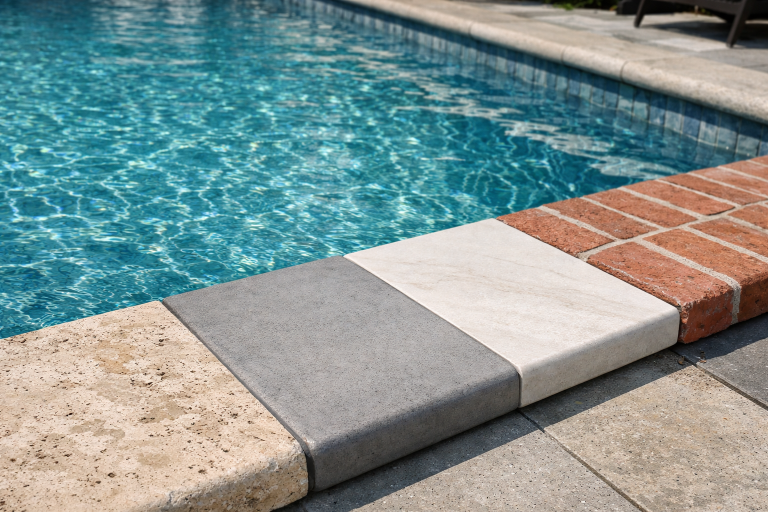
Choosing the right pool coping material is foundational to both the look and lifespan of your pool area. Here are some of the most popular materials, along with their advantages:
- Natural Stone: Timeless and durable, options like travertine, limestone, and granite provide natural color variations and a sophisticated finish. Travertine is especially popular for its cool feel and slip-resistant texture, ideal for hot climates and families with children.
- Concrete: Either poured or precast, concrete coping is known for its adaptability to various shapes and color options. It is a budget-friendly choice that can be finished with a range of textures to mimic stone or blend with the deck.
- Porcelain: Porcelain tiles or coping pieces offer a modern look, with an easy-to-clean surface and resistance to staining and fading. This material remains cooler than many stone types and is a stylish and practical option for contemporary designs.
- Brick: For traditional and rustic pools, brick coping offers durability and a textured surface that increases safety. It’s a classic option that pairs well with older homes and natural landscapes.
Popular Pool Coping Styles
The profile and form of your pool coping affect both usability and visual style. Here are the top choices:
- Bullnose Coping: Known for its rounded edge, bullnose coping was long considered the standard. Today, it is less favored by modern designers but remains a practical and comfortable choice.
- Modern Edge (Eased Edge): These straight or gently beveled edges offer a streamlined, minimalistic look that’s flush with the pool deck. It provides a crisp visual line, a favorite in new pool installations.
- Drop Edge: Also called cantilevered edge, this style allows the coping to slightly overhang the pool’s edge, creating a seamless visual flow from deck to water. It’s ideal for cutting-edge pool designs focusing on clean transitions and a floating effect.
Factors to Consider When Choosing Pool Coping
Your final choice of pool coping should be informed by more than appearance. Assess these essential factors:
- Climate: In warmer regions, choose coping that stays cool to the touch, such as light-colored travertine or limestone. These options will make walking barefoot around the pool comfortable even on sunny days.
- Safety: Non-slip surfaces, including textured stone or rough-finished concrete, help prevent accidents in slippery areas. This is especially important when children or elderly guests use the pool.
- Maintenance: Porcelain’s low-maintenance appeal provides resistance to algae and stains, while natural stone may require sealing every few years. Select based on how much time you want to spend maintaining your coping.
- Budget: Concrete is usually the most economical, whereas porcelain and natural stones are more costly but add value and luxury to your backyard oasis.
Installation and Professional Assistance
Pool coping installation is not a DIY-friendly task. Accurate measurement and expert technique are critical to avoid water infiltration and ensure even, safe surfaces. Professional installers ensure a watertight finish and offer material recommendations tailored to your region, such as light-colored travertine for Los Angeles. For best results, partner with a reputable contractor familiar with your chosen material and pool type.
Conclusion
Selecting high-quality pool coping tailored to your climate, use case, and design aesthetic will enhance the appeal and comfort of your pool for years to come. By investing in the right materials and styles and relying on professional installation, you protect your pool, improve safety, and enjoy a beautiful space for family and friends to gather.