Commercial buildings work hard every day. They protect inventory, equipment, employees, customers, vehicles, documents, tools, and the daily flow of business. Whether the space is a warehouse, retail property, service shop, industrial facility, or office building with loading access, its exterior systems carry a lot of responsibility. Two of the most important parts of that protection are the garage doors and the roof. When both are strong, well-maintained, and built for long-term performance, the entire property becomes safer, more efficient, and easier to manage.
Why the Right Roofing Team Matters
Working with trusted roof repair contractors helps commercial property owners spot small issues before they turn into expensive building-wide problems. A roof can look fine from the ground while hiding cracked materials, weak seams, drainage problems, or early moisture damage, so having knowledgeable professionals inspect and maintain it is one of the smartest ways to protect the space.
The Building Envelope Is Your First Line of Defense
A commercial building is not protected by one feature alone. Its roof, walls, doors, windows, seals, drainage, and access points all work together to keep the inside safe from weather, theft, pests, and unnecessary wear.
When one part of that exterior system starts failing, the rest of the building can feel the impact. A damaged overhead door can let in water, wind, dust, or unwanted access. A weak roof can allow leaks that damage ceilings, insulation, electrical systems, flooring, and stored goods. These issues rarely stay small for long, especially in spaces that see heavy use.
That is why strong exterior protection should be seen as part of the business plan, not just a maintenance task. A well-protected building reduces surprises, helps daily operations stay on track, and gives owners more confidence that their property can handle both routine use and tough weather.
Durable Garage Doors Keep Business Moving
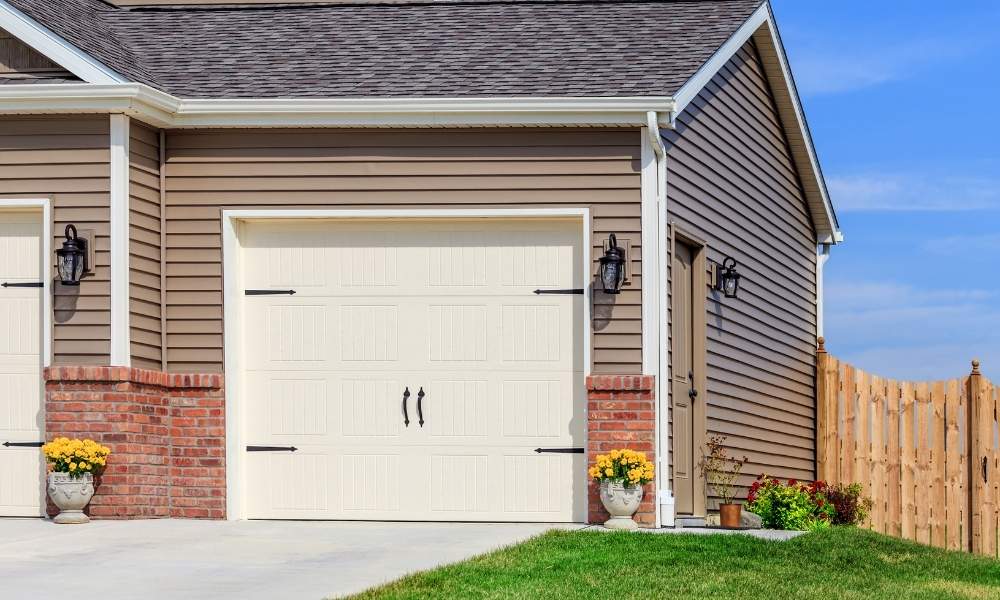
Commercial garage doors do far more than open and close. They control traffic, protect valuable assets, support deliveries, secure work areas, and help regulate the building’s interior conditions.
In many commercial settings, garage doors are used dozens of times a day. Delivery trucks arrive, employees move products, vehicles enter service bays, and equipment is shifted in and out. That constant movement puts pressure on springs, rollers, tracks, cables, panels, openers, and safety systems. A residential-style or poorly maintained door usually cannot keep up with that kind of demand for long.
A durable commercial door is built to handle heavier use. It may include reinforced panels, stronger hardware, high-cycle springs, insulated construction, better weather sealing, and motorized systems designed for frequent operation. These features can help prevent breakdowns and make the building easier to operate.
Security is another major reason to invest in a stronger door. Businesses often store expensive tools, inventory, vehicles, machinery, and customer property inside their facilities. A weak or damaged door can become an easy target. A stronger system adds a layer of protection that can discourage forced entry and help keep assets safer after hours.
Small Door Problems Can Create Big Delays
Garage door issues often start quietly. A slight grinding sound, a door that moves unevenly, a slow opener, or a gap near the floor may not seem urgent at first. Still, these small warning signs can point to bigger problems developing inside the system.
A noisy door could mean worn rollers or poor lubrication. A crooked door may signal a track problem, spring imbalance, or cable issue. A door that hesitates before opening could be putting too much strain on the motor. Damaged weather seals may allow rain, dirt, insects, and outside air into the building.
For a business, the biggest issue is not always the repair itself. It is the interruption. If a garage door gets stuck during a delivery window, employees may lose time, shipments may be delayed, and customers may be affected. In service-based businesses, a blocked bay can slow down the entire schedule.
This is why routine maintenance is worth taking seriously. A professional tune-up can catch worn parts, improve movement, test safety features, and reduce the chance of a sudden failure. In many cases, simple adjustments can add years of reliable use.
Knowing When a Door Upgrade Makes Sense
There comes a point when repairs stop being the most practical option. If a door is old, inefficient, frequently breaking down, or no longer suited to the way the building is used, it may be time to think bigger.
The middle of a commercial improvement plan is often the best time to evaluate access points, workflow, and long-term operating costs. That is when replacing your commercial garage door can become a smart decision rather than a last-minute reaction to a breakdown. A newer system may improve security, reduce energy loss, support faster operations, and provide a cleaner appearance for the property.
A new door can also be customized around the building’s real needs. Some properties need insulated doors to protect temperature-sensitive inventory. Others need high-speed doors for heavy traffic. Some need windows for visibility, while others need solid panels for privacy and security. The right choice depends on the type of business, the level of daily use, the local climate, and the value of what is stored inside.
Long-Lasting Roofing Protects Everything Below
A strong roof quietly protects nearly every part of a commercial space. When it performs well, people may barely think about it. When it fails, the damage can be immediate, stressful, and expensive.
Commercial roofs deal with constant exposure. Sun, rain, wind, snow, standing water, foot traffic, debris, and temperature changes all take a toll over time. Flat and low-slope roofs can be especially vulnerable when drainage is poor or seams begin to separate. Even small leaks can spread into insulation, ceilings, walls, and interior finishes.
A long-lasting roofing system is not just about the material on top. It also depends on proper installation, drainage, flashing, ventilation, insulation, and maintenance. A roof that is matched to the building’s structure and climate will usually perform better than one chosen only because it was the cheapest option.
Energy efficiency matters too. A well-maintained roof can help control heat transfer and reduce the strain on HVAC systems. This is especially important in large commercial spaces where heating and cooling costs can become a major operating expense. Better roofing performance can make the building more comfortable while also helping reduce waste.
Maintenance Helps Avoid Expensive Surprises
Preventive maintenance is one of the most practical ways to protect a commercial property. It gives owners a clearer picture of what is happening before a problem becomes urgent.
For garage doors, maintenance may include checking springs, testing sensors, inspecting cables, tightening hardware, cleaning tracks, lubricating moving parts, and replacing worn seals. These steps help the door move smoothly and safely. They also reduce the odds of sudden breakdowns during business hours.
For roofing, routine inspections can identify ponding water, cracked surfaces, loose flashing, punctures, clogged drains, soft spots, damaged edges, and signs of moisture. Addressing these issues early can help extend the life of the roof and prevent interior damage.
Maintenance also makes budgeting easier. Instead of being forced into emergency repairs, owners can plan improvements based on priority. This is especially useful for property managers, facility directors, and business owners responsible for large or high-traffic buildings.
Better Protection Builds More Confidence
A commercial space should support the business, not create constant stress. Strong garage doors and dependable roofing help create that stability by reducing risks, improving security, and keeping operations moving.
Employees benefit from a safer and more reliable workplace. Customers and tenants notice when a property is well cared for. Owners gain peace of mind knowing the building is better prepared for weather, daily use, and unexpected challenges.
The best protection usually comes from thinking ahead. Instead of waiting for leaks, breakdowns, drafts, or security concerns, commercial property owners can take a proactive approach. Regular inspections, timely repairs, and smart upgrades all work together to preserve the building’s value.
When the garage doors and roofing are built to last, the entire commercial space becomes stronger. It is not just about avoiding repairs. It is about creating a property that works better, looks more professional, and protects the business inside every single day.