When people think about caring for their home, they often focus on visible spaces like living rooms, kitchens, and bedrooms. These areas are important, but many less obvious parts of a home quietly influence comfort, safety, and long-term condition.
Hidden or overlooked spaces tend to collect wear, moisture, dust, and small issues that grow over time if ignored. Giving these areas the attention they deserve can help create a healthier, smoother-running home and prevent future stress. Looking beyond what is seen every day allows homeowners to truly care for their entire living space.
The Garage and the Garage Door
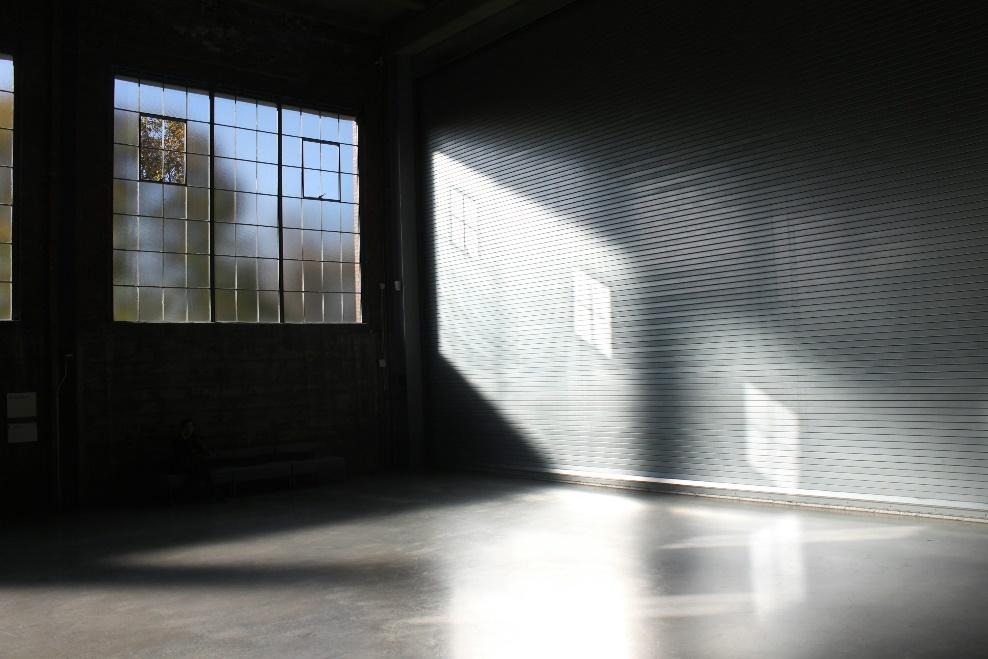
The garage is often treated as a storage zone rather than an active part of the home. It holds tools, seasonal items, and vehicles, yet it plays a key role in protecting belongings and supporting daily routines. Because it is not always part of the main living area, small problems can easily go unnoticed.
A garage should be checked for signs of moisture, dust buildup, and clutter that blocks airflow. Poor ventilation can create unpleasant smells and affect stored items. Walls and ceilings should be examined for cracks or stains that may signal leaks or structural stress. Keeping this area organized also improves safety and makes the space easier to use.
The garage door itself deserves special attention. It is one of the largest moving parts in a home and is used frequently. Smooth movement, balanced operation, and quiet opening are all signs of proper care. If the door feels heavy, uneven, or noisy, it may be time to look into professional garage door service to address issues before they worsen. Paying attention here supports safety, security, and daily convenience without drawing attention away from the rest of the home.
Behind Walls and Under Cabinets
Walls appear solid and dependable, yet what lies behind them often remains ignored. Pipes, wiring, and insulation work quietly out of sight, and small issues in these areas can create long-term damage. Moisture behind walls can lead to unpleasant odors or surface changes that appear much later.
Under kitchen and bathroom cabinets is another hidden zone that deserves regular checks. Leaks often begin slowly, leaving no immediate sign except faint dampness or discoloration. Looking inside these spaces every so often helps catch drips early and keeps surrounding materials in good condition.
Attic Spaces and Upper Corners
The attic is one of the most overlooked parts of a home. Many people only visit it when storing items or searching for decorations. However, this space plays a large role in temperature balance and air flow throughout the house.
Checking the attic for signs of moisture, pests, or compressed insulation can make a noticeable difference in comfort. Light coming through unexpected gaps or stains on wood surfaces can signal problems that need attention. Upper corners of rooms, especially near ceilings, can also show early signs of moisture or air leaks.
Basements and Lower Storage Areas
Basements and lower-level storage rooms often stay out of sight and out of mind. Because they are below ground level, they are more exposed to moisture and temperature changes. Even homes without full basements may have crawl spaces or lower storage zones that deserve care.
Keeping these areas dry and clean helps prevent musty smells and material damage. Walls and floors should be observed for damp spots or peeling surfaces. Proper lighting in these spaces also helps homeowners notice changes sooner rather than later.
Closets and Storage Rooms
Closets are easy to overlook because they are usually closed. Over time, they can collect dust, unused items, and moisture without anyone noticing. A crowded closet restricts airflow and can affect clothing and stored goods.
Taking time to open, clean, and organize closets helps maintain freshness and order. Walls and corners should be checked for marks or odors that suggest moisture or poor ventilation. Storage rooms deserve similar care, especially those holding items that are rarely used. A well-maintained storage area supports both cleanliness and peace of mind.
Behind Appliances and Fixtures
Large appliances and fixed fixtures often hide areas that are rarely cleaned or inspected. Spaces behind refrigerators, washing machines, and ovens can collect dust and debris over time. This buildup may affect performance or create unwanted smells.
Moving appliances carefully and cleaning these hidden zones helps extend their usefulness and keeps surrounding surfaces in good condition. Bathroom fixtures such as toilets and sinks also have areas behind and beneath them that deserve attention. Checking these spots helps catch leaks or wear early and keeps the room fresh and functional.
Ceiling Fans, Vents, and Air Pathways
Ceiling fans and air vents are usually above eye level, making them easy to forget. Dust buildup in these areas affects air movement and cleanliness. Over time, neglected vents can spread dust throughout living spaces.
Cleaning fan blades and vent covers supports better airflow and a cleaner home. Air pathways should remain clear and free from blockages. Paying attention to these hidden elements improves comfort and creates a healthier indoor environment without major effort.
Outdoor Hidden Areas Connected to the Home
Some hidden areas are just outside the main living space but still impact the home. Covered entryways, small side spaces, and areas beneath overhangs can collect debris and moisture. These spots often escape regular cleaning because they are not part of daily routines.
Keeping these areas clear supports proper drainage and reduces wear on nearby materials. A quick inspection during routine cleaning helps maintain the home exterior and prevents small issues from spreading inward.
Caring for a home is about more than keeping visible rooms tidy. The spaces that remain unseen often carry the greatest responsibility for comfort, safety, and long-term condition. By giving attention to garages, walls, storage areas, and other hidden zones, homeowners create a living space that feels complete and well cared for. Small efforts in these areas add up over time, supporting a home that functions smoothly and remains a place of comfort and reliability every day.