Luxury real estate has always chased whatever the current generation of buyers actually wants, and one of the more interesting shifts in high-end residential design right now has nothing to do with finishes or square footage. It has to do with planning ahead for a parent, or eventually the homeowner themselves, to age in place inside a home built for entertaining rather than caregiving. Mansions and large luxury homes were rarely designed with a wheelchair-accessible route in mind, and that gap is becoming a real design consideration for families with the resources to fix it properly.
The families handling this well tend to treat it as a genuine design project rather than a reluctant retrofit. A dedicated wing or suite for an aging parent, built with full accessibility from the start, gives that family member privacy and dignity while keeping them close to the household rather than moved off to a facility. Pairing that space with consistent professional support, whether from caregiving services or live-in staff, tends to work far better than either the design or the caregiving handled in isolation.
What Luxury Aging-in-Place Design Actually Includes
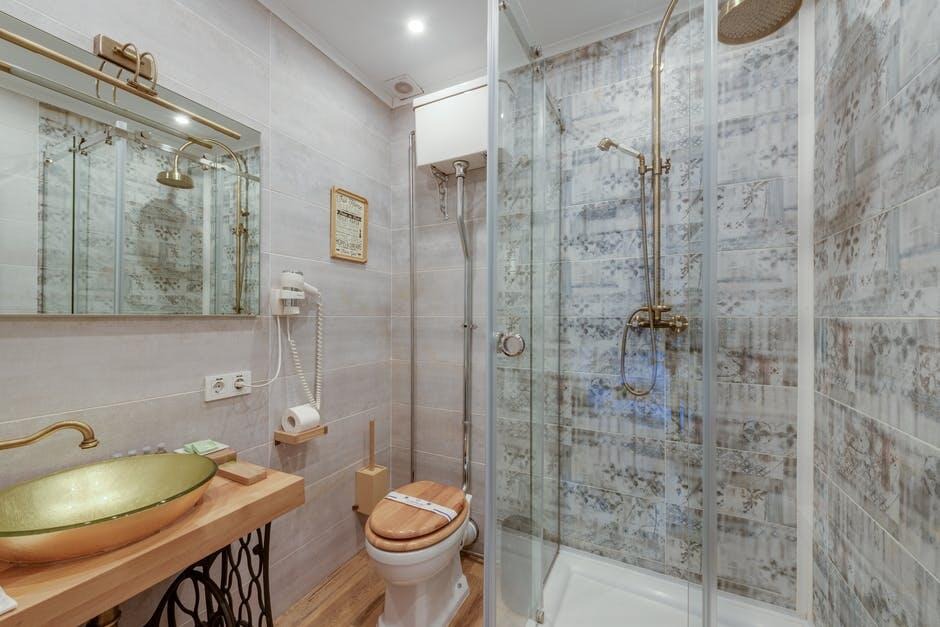
At the higher end of the market, aging-in-place features go well beyond the standard grab bars and lever handles that show up in more modest accessibility retrofits. Think elevators disguised as architectural features rather than obvious utility additions, wide hallways that read as intentionally spacious rather than clinical, and bathrooms with curbless entries finished in the same high-end materials as the rest of the home so nothing about the space signals “accessible” at first glance.
Smart home technology has made a real difference here too. Voice-activated lighting and climate control, fall-detection sensors integrated discreetly into flooring or lighting fixtures, and video intercom systems that let household staff or family check in without an intrusive visit all give an aging parent more autonomy while giving the rest of the family genuine peace of mind. None of this needs to look like medical equipment, which is often the biggest concern homeowners raise when this topic first comes up.
The Workforce Making This Possible
None of this design work matters without the people who actually deliver daily care, and that workforce has grown substantially. Home health and personal care aides are now the largest single occupation in the United States, a field that increasingly includes highly trained professionals working in private homes rather than institutional settings.
| Metric | Figure |
|---|---|
| Home health and personal care aides, current US workforce | ~4.3 million |
| Projected growth rate (2024 to 2034) | 17% |
| New home care jobs projected this decade | 681,000+ |
| Caregiver turnover rate (2024) | 75% |
That turnover figure applies at every income level, which is a useful reminder for luxury homeowners who might assume a higher budget automatically buys more staffing stability. It does not, on its own. What actually reduces turnover is a genuinely good working relationship, clear expectations, and an agency that invests in retaining its best people, regardless of the size of the house they are working in.
The Emotional Design Layer
Interior design’s effect on mental health matters enormously in this context, and it deserves more attention than it typically gets in aging-in-place planning. Our piece on how interior design affects mental health covers the broader principles at play, and they apply directly here: natural light, a sense of personal control over one’s space, and rooms that feel like a genuine home rather than a care facility all measurably affect an aging person’s wellbeing, independent of the level of physical support they receive.
Planning Early Changes the Outcome
Families with the resources to design a proper aging-in-place suite should start the process well before it becomes urgent. A rushed retrofit, done after a health crisis forces the issue, rarely achieves the same quality of design or the same seamless integration with the rest of the home. Planning early also gives the family time to find and build a relationship with the right caregiving team, so the human support is as thoughtfully chosen as the architecture surrounding it.