Small homes can be calm, flexible, and easy to clean. But shrinking floor plans also demand better systems for what we keep and where we keep it. With costs rising and city living on the up, a smart approach to storage can turn tight rooms into places that work. This guide shows how to plan your space, pick simple fixes that add capacity, and decide when offsite solutions make sense.
The Small Space Era
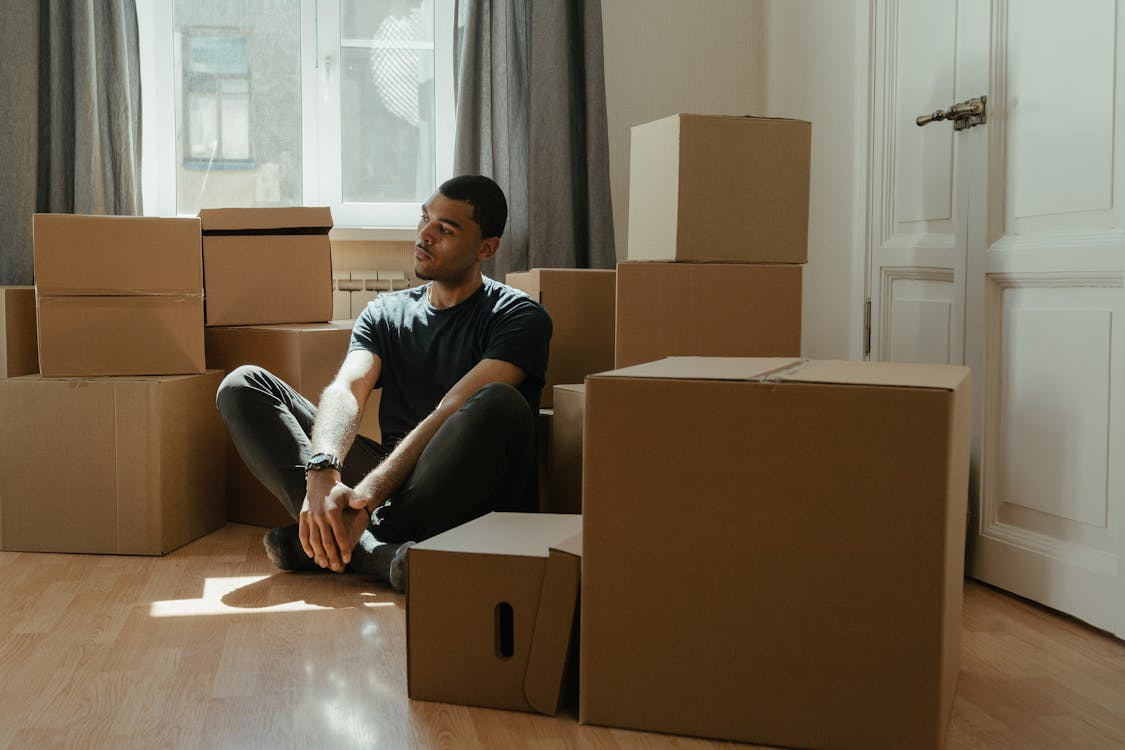
Across many cities, people are fitting full lives into smaller homes. That shift changes the math of everyday living, because a missing closet or shallow kitchen can ripple into stress. A recent EU statistics publication noted that nearly 1 in 6 people lived in overcrowded housing in 2023, a sign that space is tight and smart storage matters.
Why Efficient Storage Matters Every Day
Good storage saves time. When items have a home and the path to reach them is clear, you cut minutes from daily tasks like cooking, laundry, and getting out the door. It also protects your stuff, since bins, racks, and lined drawers reduce dents, spills, and sun fade that can ruin clothing or gear.
Clutter also eats mental energy. Visual noise makes it harder to start tasks and easier to lose focus. In small rooms, that effect increases, because the same surface often does double duty as desk, table, or hobby bench. Efficient storage gives you a reset button – clear surfaces and quick access when you need to switch modes.
Map Your Home For Space Wins
Start with a sketch of each room and mark doors, windows, radiators, and sockets. Add arrows for traffic lines so you see where not to put bulky items. Then layer in zones for actions, like brew coffee, fold laundry, or pack school bags.
Turn that map into a short storage plan:
- Put daily items within arm’s reach of the task zone.
- Push rarely used items to high, low, or deep spots.
- Group by size and weight to avoid wasted volume.
- Choose one container style per zone to stack cleanly.
- Label everything so anyone can put things back.
A map helps you avoid random buys and focus on changes that earn back floor space. It also makes it clear which rooms need vertical solutions and which need hidden storage.
Use Walls, Doors, And Corners
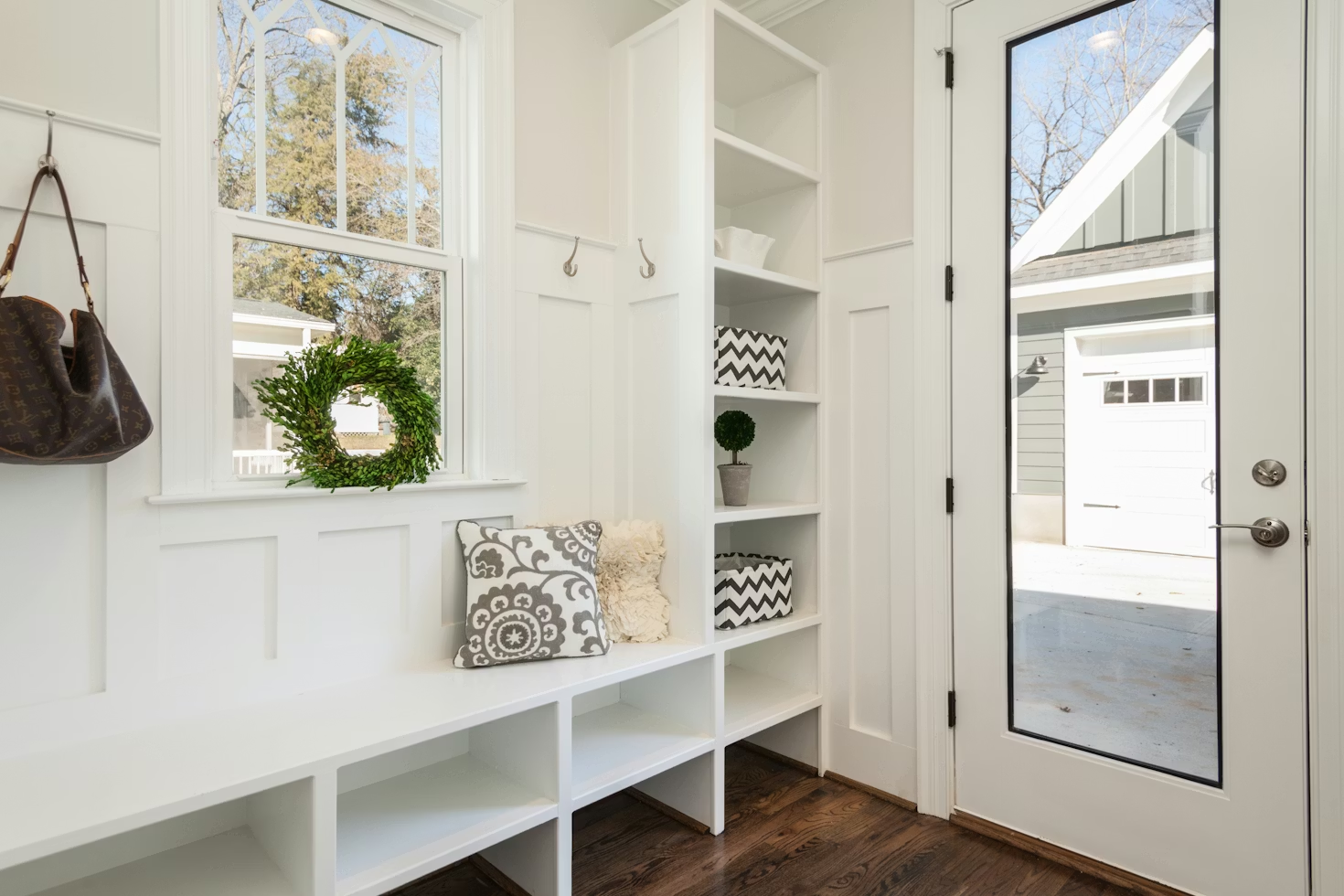
Walls are a storage gold in small homes. A narrow rail with hooks near the entry catches bags and coats without a big unit. Floating shelves over doorways hold books, hats, or baskets, and leave the floor free. In kitchens, a pegboard keeps tools visible and adjusts as your needs change.
Doors and corners do more than you think. Over-door racks add a whole mini pantry or linen shelf. Corner ladders or angled shelves turn dead angles into display and storage. If you rent, tension poles and clamp mounts give you vertical capacity without drilling.
When Home Storage Taps Out: External Options
Sometimes you do everything right at home and still need overflow. Moves, renovations, and new babies all bring temporary peaks in stuff. In dense cities, short-term units can bridge space gaps, and people looking for storage in Dubllin can compare unit sizes near major routes to cut travel time while keeping costs predictable. The key is to treat outside storage like a tool you plan, not a place where things go to vanish.
Set a clear goal and a clear end date. If you are renovating, store only what cannot be used for 3 months. If you are sharing a flat, use a unit to rotate seasonal items and bulky hobby gear. Keep a simple inventory so you know what is off-site and when it is due to return.
A Growing Storage Ecosystem
Self-storage is no longer a niche service. A recent European industry review counted roughly 9,500 facilities and about 16.5 million square meters of space across the region, which shows how widely people now rely on flexible storage. That growth pairs with better choices on unit sizes, access hours, and security features, so you can match the service to the job.
Think of it as part of your home system, not separate from it. The same rules apply offsite as onsite: group like with like, pack in standard boxes, and label the short side so you can read stacks in tight aisles. A rolling cart and a headlamp in your unit make quick trips faster.
Seasonal And Rotational Strategies
Homes feel tight when everything is out at once. Rotation solves that problem by lifting low-use items out of the way and bringing only what you need to prime spots. A small plan keeps it simple:
- Use 4 to 6 mid-sized boxes per person for off-season clothes.
- Vacuum bags help with bulky bedding and coats.
- Mark each box with room, season, and a 5-item list.
- Set calendar reminders to swap in spring and autumn.
- Keep one open shelf for returns so the next swap is easy.
Rotation also works for hobbies. Group camping, skiing, or craft gear in bins with a clear lid so you can spot the right kit in seconds. When a season ends, refuel, repair, and store items clean and dry to extend their life.
Hidden Storage That Works Hard
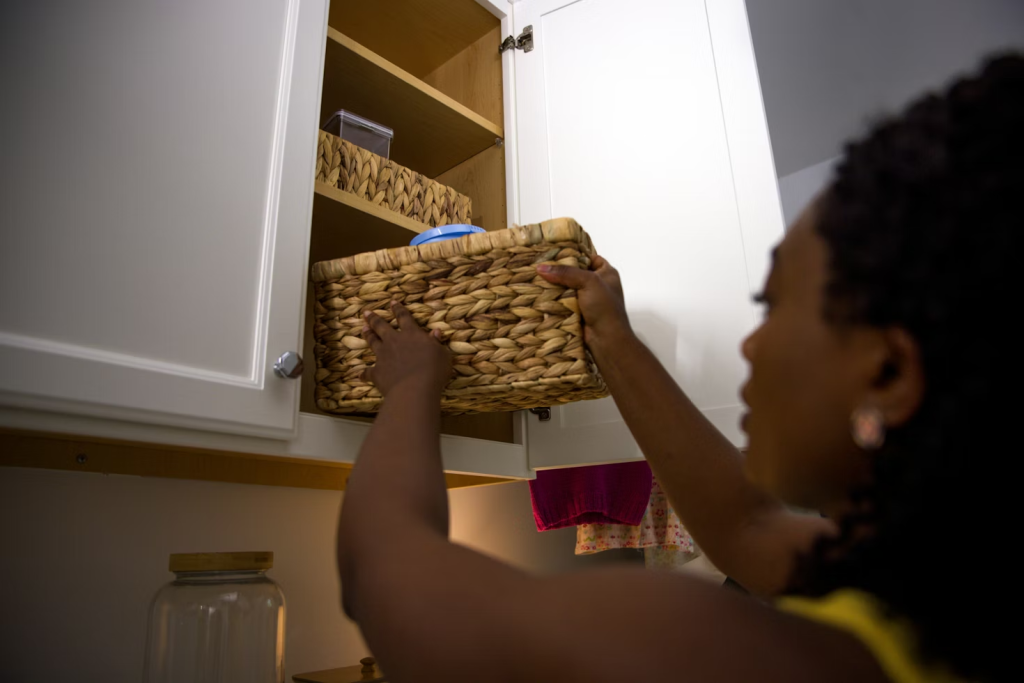
If you buy furniture, pick pieces that hide useful space. A bed with drawers replaces a whole dresser. A storage ottoman holds blankets or game gear and doubles as extra seating. A slim bench by the door can tuck shoes and dog leads where you need them most.
Kitchen and bath always need more. Add a slide-out under the sink to reach the back without crawling. Use a 10 to 15 cm pullout rack beside the fridge for oils and cans. In the bath, a mirrored cabinet with shallow shelves keeps daily items visible and safe from spills.
Smart storage is a way to protect your time, your stuff, and your headspace. As homes shrink, the mix shifts toward vertical, hidden, and rotational solutions that let small rooms do big jobs. With a simple plan and a few steady habits, your space can stay calm and flexible, even as life grows and changes.