Serious damage to a home can happen without warning. Natural disasters, structural failures, accidents, or unexpected household incidents can quickly turn a comfortable living space into a stressful situation. When damage occurs, the immediate response often determines how quickly the property can be stabilized and restored.
Many homeowners feel overwhelmed in the first hours after a major incident. There are safety concerns, insurance considerations, and decisions about repairs. Acting calmly and following a clear set of steps can make the situation far more manageable. By focusing on safety, documentation, and professional support, homeowners can begin the recovery process in a structured and effective way.
The following guide outlines the essential steps to take after a house experiences serious damage and explains how to navigate the early stages of property recovery.
Prioritize Safety First
Safety should always come before anything else. When a home suffers significant damage, the structure may no longer be stable. Electrical hazards, gas leaks, and compromised foundations are common risks.
Start by ensuring that everyone inside the home is safe. If the damage appears severe, evacuate immediately and move to a secure location away from the property. Avoid returning inside until professionals confirm that the structure is safe.
If utilities are still active, consider turning off electricity, gas, and water at the main supply if it is safe to do so. This step can prevent additional damage or dangerous conditions.
Emergency services may need to inspect the property before any further action is taken. It is always better to wait for confirmation rather than risk injury.
Assess the Situation Carefully
Once immediate safety concerns are addressed, the next step is understanding the extent of the damage.
Walk around the property carefully and observe visible issues. Look for signs such as:
- Structural cracks in walls or ceilings
- Water intrusion or flooding
- Broken windows or roof damage
- Electrical system problems
- Smoke or soot residues
Avoid touching or moving damaged materials until professionals evaluate the situation. Certain materials may contain hazards, especially if exposed to heat, chemicals, or contaminated water.
A basic visual assessment helps determine the type of help needed and provides useful information when speaking with insurance representatives or restoration specialists.
What to Do After a Fire
A house fire can leave behind more than visible structural damage. Smoke residues, soot particles, and lingering odors often affect areas that were not directly burned. The first priority after a fire is to ensure that emergency services have fully cleared the property and confirmed that it is safe to approach.
Once access is permitted, avoid disturbing damaged materials unnecessarily. Soot and ash can spread easily and may contain harmful particles. Opening windows for ventilation can help reduce odors, but deeper cleaning usually requires specialized equipment.
Professional restoration teams are often needed to handle tasks such as smoke removal, deodorization, and structural repairs. In many situations, homeowners rely on experts trained in fire damage cleanup to remove hazardous residues and restore affected areas safely. These specialists use industrial tools and cleaning techniques designed specifically for fire-related damage.
Quick action is important, as smoke residues can cause permanent staining or corrosion if left untreated for too long.
Document Everything for Insurance
Thorough documentation is one of the most important steps in the recovery process.
Insurance companies require detailed records to process claims. Taking photos and videos of the damage immediately after the incident can provide valuable evidence. Capture wide shots of each affected room as well as close-ups of damaged areas.
Make a list of damaged belongings and structural elements, including furniture, appliances, flooring, and electronics. If possible, gather receipts or purchase records for valuable items.
Keep notes about the date and circumstances of the incident. This information helps create a clear timeline and can simplify communication with insurance providers later.
Documentation should always be completed before any cleanup or repairs begin.
Contact Your Insurance Provider
Once the damage has been documented, contact your insurance company as soon as possible.
Most policies require prompt notification after a significant event. A representative will guide you through the claim process and explain what documentation is required. They may also arrange for an adjuster to inspect the property.
During this stage, it is helpful to ask specific questions about:
- Coverage limits
- Temporary housing assistance
- Approved repair contractors
- Claim timelines
Clear communication with your insurer can prevent misunderstandings and speed up the recovery process.
Secure the Property
After an incident, damaged homes can become vulnerable to further problems. Broken windows, exposed roofs, or damaged doors may allow weather, animals, or unauthorized individuals to enter the property.
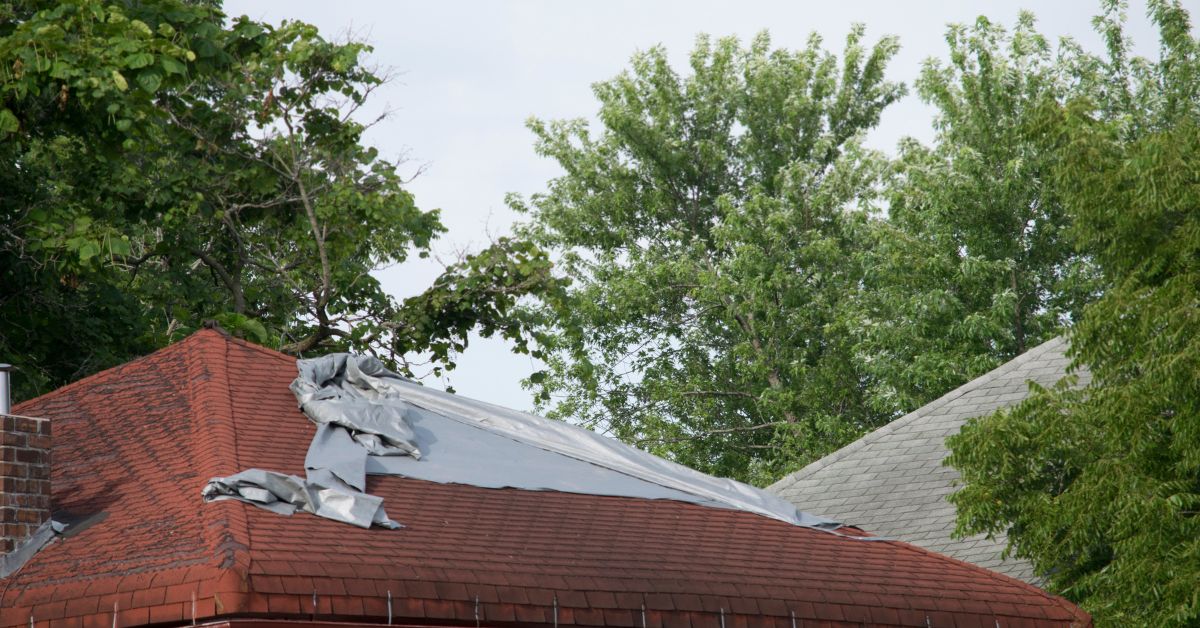
Temporary protective measures may be necessary. These can include boarding up windows, covering damaged roofs with tarps, or sealing exposed openings.
Property security protects the home from additional damage while insurance claims and restoration plans are being processed.
In many cases, restoration companies can provide emergency stabilization services to protect the structure.
Understand the Restoration Process
Restoring a damaged home is rarely a single-step project. Instead, it involves several stages designed to stabilize the structure and gradually return it to its original condition.
Typical restoration phases include:
- Emergency mitigation – preventing further damage
- Damage assessment – determining structural and material impact
- Debris removal – clearing damaged materials safely
- Structural repairs – rebuilding compromised areas
- Interior restoration – restoring surfaces, fixtures, and systems
The timeline for these steps varies depending on the severity of the damage. Minor incidents may take days to resolve, while large-scale structural repairs can require weeks or months.
Working with experienced professionals helps ensure that repairs meet safety standards and building regulations.
Work With Qualified Professionals
While some minor repairs may be manageable for homeowners, serious damage typically requires professional expertise.
Restoration specialists, contractors, and structural engineers can evaluate the integrity of the building and identify hidden issues. Water trapped behind walls, weakened support beams, or electrical hazards may not be immediately visible.
Hiring experienced professionals provides several benefits:
- Accurate damage assessment
- Proper safety procedures
- Compliance with building regulations
- Efficient restoration timelines
It is also helpful to verify credentials and check reviews before selecting contractors. Reliable professionals should be licensed, insured, and willing to provide written estimates.
Plan Temporary Living Arrangements
In some situations, a damaged home may not be safe to live in during the restoration process. Structural repairs, water extraction, or contamination cleanup can take time.
If temporary relocation is necessary, insurance policies may cover living expenses such as hotel stays or rental housing. Keep records of all related costs, including accommodation, meals, and transportation, as these expenses may be reimbursable under certain policies.
Maintaining a stable living arrangement during the recovery process helps reduce stress and allows restoration work to proceed without disruption.
Begin the Long-Term Recovery
Once immediate repairs and safety concerns are addressed, homeowners can begin focusing on long-term recovery.
This stage may involve rebuilding rooms, replacing furniture, updating systems, and improving the overall resilience of the property. Many homeowners take the opportunity to upgrade materials or redesign affected areas during this process.
Future prevention is also an important consideration. Installing smoke detectors, reinforcing roofing systems, or upgrading plumbing can help reduce the risk of similar incidents occurring again.
Recovery may take time, but each completed step brings the home closer to full restoration.
Conclusion
Serious damage to a home can be one of the most challenging experiences a homeowner faces. The situation often brings uncertainty and a long list of urgent decisions. However, a structured response can significantly reduce confusion and help move the recovery process forward.
Focusing on safety, documentation, and professional assistance allows homeowners to regain control during a difficult time. Each step, from securing the property to coordinating repairs, plays a role in restoring both the structure and peace of mind.
Although the process may require patience, careful planning and the right support can guide homeowners through the restoration journey and help them rebuild a safe and stable living environment.