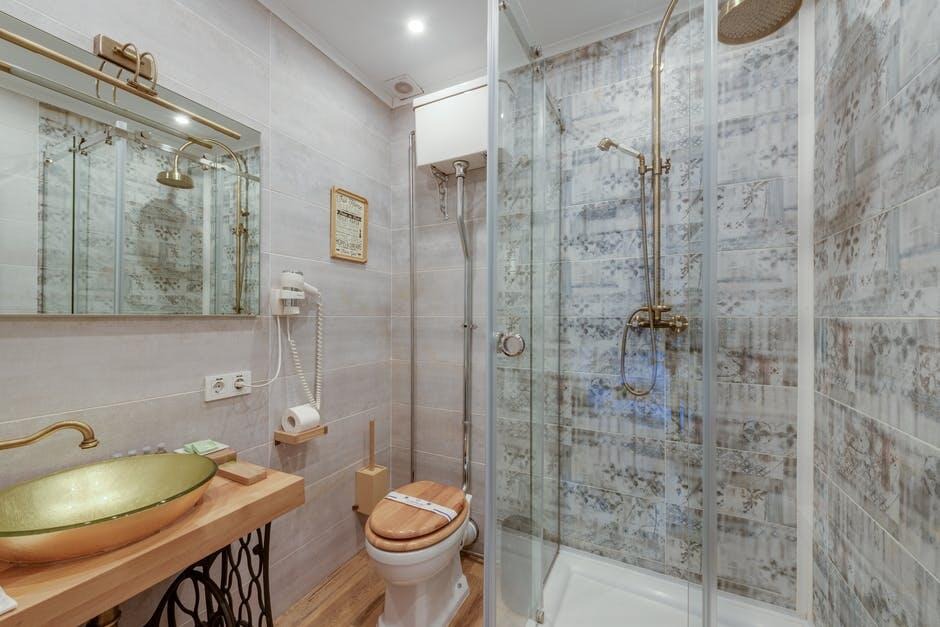
If you own a rental property, you need to learn how to manage and protect it properly. It will help you to maximize your returns in the long run. But how can you do it? Read this guide as we will walk you through the key steps to manage and protect your rental property with confidence.
Preparing Your Property for the Rental Market
- Clean. Repair. Paint.
Before you list your place for rent, take care of the basics. Clean houses attract better renters and command higher rents.
- Do a thorough walk-through.
Inspect every room of your house. Make sure all plumbing is working, and electrical outlets are functional, your HVAC system runs properly, and any appliances are in working order. Repair any defects. Small problems can turn into big headaches.
- Give the property a deep clean.
Scrub the bathrooms, wipe down the kitchen, and shampoo carpets. You only get one chance to make a first impression. A clean house shows renters you care about your home and encourages them to take care of it too.
- Consider making minor upgrades.
You shouldn’t have to remodel your entire home before renting it out. A fresh coat of paint, new light fixtures, and upgraded cabinet knobs can go a long way.
- Know your rental laws.
Each city has specific laws and regulations governing property rental. Familiarize yourself with your city’s rental regulations. It could save you and your renter from future headaches.
- Price it appropriately.
Learning how to rent your house starts with preparing the property, setting a competitive price, and ensuring it meets local rental standards. Don’t price your rental too high or too low. Check out comparable homes in your area and price your home competitively. Websites like Zillow and Rentometer can help.
How To Rent Your House and Attract Reliable Tenants

The most important decision you’ll make as a landlord is finding a quality tenant. A quality tenant is someone who pays rent on time, doesn’t hurt your property, and doesn’t move away after a few months.
Put together a great listing. Use high-quality pictures and make sure to take them during the day. Write a concise, honest description of what the home has to offer. Make sure to highlight major selling points, like in-unit laundry or a garage. List your rental on Zillow, Apartments. com, and Facebook Marketplace to reach the largest pool of potential tenants.
Screen all applicants. I cannot stress this enough: run a credit check and background check on every single applicant. Additionally, make sure your tenants earn enough money to consistently pay rent on time. Most landlords require that renters make at least three times the monthly rent. Finally, check rental history and speak to their previous landlords whenever possible.
Insist on a written lease. If a tenant offers to pay you rent with only a handshake and a “you-can-count-on-me” promise, politely refuse. You need a detailed lease that outlines the rent amount, due dates, late penalties, pet policies, who’s responsible for maintenance/items breaking, and anything else you can think of. You can find lease agreements specific to your state online. For added protection, consider hiring a real estate attorney.
Require a security deposit. The majority of landlords will require one to two months’ rent as a security deposit. This protects you if the renter wrecks your property or doesn’t pay rent and suddenly moves out.
Communicate expectations from the start. Sit down with your new renter and review the lease together. Go over how to submit maintenance requests, when rent is due, and how late fees work. Address any questions or concerns they have. Most tenant issues can be avoided if you establish clear parameters from the beginning.
Develop a great relationship with your tenant. Remember to treat your tenants how you’d like to be treated if you were in their position. When maintenance issues come up, respond as quickly as possible. A happy renter will likely renew with you and take good care of your property.
Best Security Systems For Landlords to Protect Rental Investments
When exploring the best security systems for landlords, it’s important to choose options that include remote monitoring, motion detection, and mobile alerts for real-time oversight. Beyond screening your tenants, you have to secure your rental property physically. Here are a few options available to consider:
- Install a smart lock system.
Smart locks let you swap out access codes when changing tenants without changing the keys. Brands like Schlage and Yale are very good. This is one of the simplest and cheapest upgrades you can install.
- Install a video doorbell.
Video doorbells allow you to see who’s coming and going at your property. They help prevent porch package theft and give your tenants an extra sense of security. Doorbells like Ring and Google Nest Hello typically cost less than $200 and take just minutes to install.
- Install outdoor security cameras.
Position cameras in the front of the home, back of the home, and at the garage. Remember to only record common areas. Cameras deter vandalism and provide footage if an issue arises. Wire-free options like the Arlo Pro 4 and Blink Outdoor are good choices because they’re easy to set up.
- Install a monitored alarm system.
A monitored alarm system will notify a professional security company when the alarm is triggered. For example, SimpliSafe and ADT offer plans that are landlord-friendly. If you have a high tenant turnover, look for plans that don’t require you to sign a long contract.
- Install motion-sensor lights.
Who knows what lurks in the dark? Motion-sensor lights will deter criminals from approaching your rental. Place motion lights near the driveway, side entryway, and back porch. These costs are fairly low and need little maintenance.
- Reinforce sliding doors/windows.
Most break-ins occur through unlocked sliding doors or ground-floor windows. Add a metal rod or security bar to sliding doors to increase security. Install window locks or pinned windows to keep windows from being forced open.
Final Words
The successful landlords are not the ones who happen to luck into great renters. Rather, they remain diligent and caring to their tenants and guard their investment from the beginning. By following the steps in this post, you will be on your way to a worry-free rental business and income in your pocket.