Few things catch a homeowner’s attention faster than a sudden swarm of flying insects near a window or light fixture. If those insects turn out to be termite swarmers, the discovery can be unsettling, and for good reason.
Many people assume termite swarmers are simply a seasonal nuisance, but they often signal a much larger problem hidden behind walls, beneath floors, or inside structural wood. If you understand the overarching termite swarmers meaning, you can respond quickly and potentially avoid costly repairs.
Here’s what you should know about termite swarmers, why they appear, and what they may reveal about the condition of a home.
What Are Termite Swarmers?
Termite swarmers are reproductive termites that leave an established colony to start new colonies elsewhere. Their purpose is simply to mate and expand the termite population.
Swarmers are most commonly seen during warm, humid weather, especially after heavy rainfall. They’re attracted to light, which is why you most often find them gathering around windows, glass doors, and light fixtures.
While seeing swarmers outdoors isn’t unusual during swarming season, finding them inside your home is often more concerning, since indoor swarmers may indicate that an active termite colony is already present within the structure.
Why Swarmers Often Signal a Larger Infestation
One of the most important things to understand here is that swarmers rarely appear at the beginning of a termite problem.
By the time a colony produces swarmers, it has usually matured and expanded significantly. In many cases, termites may have been feeding on wood for years before swarmers become visible.
Unfortunately, both subterranean termites and drywood termites can remain hidden while causing extensive damage. Large colonies may contain thousands (or even millions!) of termites operating entirely out of sight.
All too often, swarmers are simply the first visible clue of a hidden termite infestation that has been developing for a long time.
Common Places Homeowners Notice Swarmers
Some of the most common locations you’ll find termite swarmers in include:
- Windowsills and glass doors
- Indoor lighting fixtures
- Basements and crawl spaces
- Attics and garages
- Moisture-prone areas of the home
You may also discover piles of discarded wings after a swarm, and that’s not a good sign, either. Once termites land and shed their wings, they begin searching for a suitable location to establish a new colony. Because termite activity usually remains concealed, swarmers often seem to appear suddenly, even though the colony may have existed for years.
Moisture Problems Increase the Risk of Termites
Moisture is one of the biggest factors contributing to termite activity. Leaking pipes, poor drainage, damp crawl spaces, and excessive humidity create ideal conditions for termites. Wood that remains wet or damp also becomes easier for termites to invade and consume.
Poor ventilation can make the problem worse by allowing moisture to accumulate over time, and homes located in humid climates may face an elevated risk as well. Because of this, reducing moisture around the property is one of the most effective termite prevention strategies you have at your disposal.
Structural Damage Can Begin Long Before Visible Signs Appear
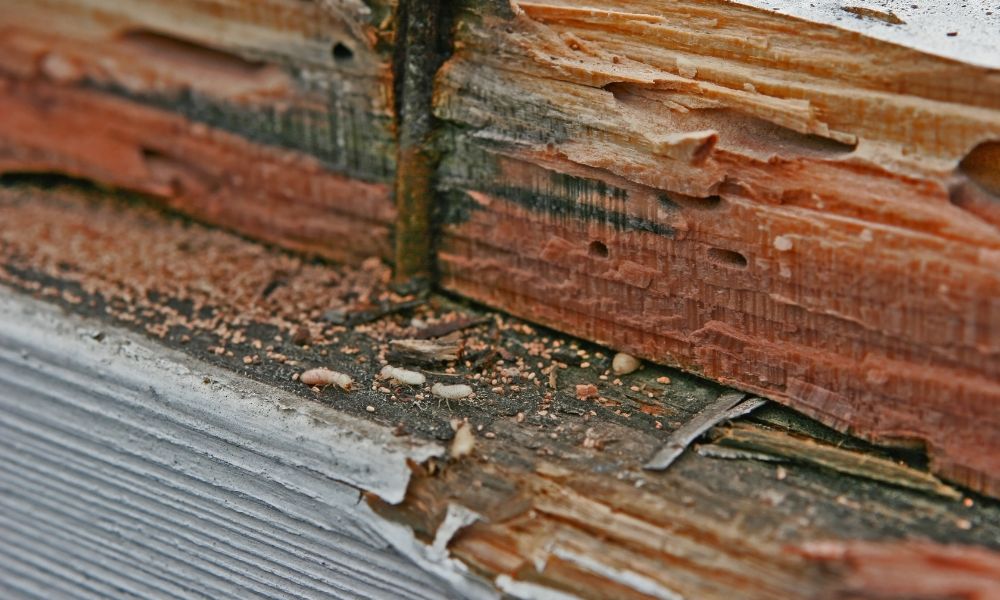
Termites are notorious for destroying wood from the inside out, while carpenter ants can also cause significant structural damage by tunneling through wood to create nesting galleries. Instead of causing obvious surface damage immediately, termites hollow out the wood from the inside while leaving the exterior relatively intact. As a result, significant hidden termite damage can occur before homeowners notice anything unusual, and infestations of either termites or carpenter ants can lead to costly repairs if left untreated.
Some of the most affected areas may include:
- Support beams
- Flooring systems
- Cabinets
- Wall framing
- Trim and molding
Some warning signs of termite infestation can include hollow-sounding wood, bubbling paint, warped surfaces, sagging floors, and doors that no longer close properly. Again, these symptoms are sometimes mistaken for water damage or normal aging, delaying treatment while the infestation continues to grow.
Other Pests May Appear in Similar Conditions
The conditions that attract termites often appeal to other pests as well, which further complicates your pest prevention and eradication efforts. Moisture-damaged wood can attract carpenter ants, which also tunnel through wood and create structural concerns. Rodents such as mice and rats may take advantage of weakened building materials, small openings, and hidden access points.
No matter the species, a single pest infestation can sometimes create conditions that invite additional problems later. When moisture issues remain unresolved, you may find yourself dealing with multiple pest-related concerns at the same time.
Outdoor Conditions Can Contribute to Indoor Termite Activity
Many termite problems begin outside the home before spreading indoors. Typical outdoor risk factors include:
- Wood piles stored near the foundation
- Tree stumps
- Mulch beds
- Wooden fences
- Deck structures
- Poor drainage around the property
Subterranean termites often travel from soil into homes through hidden pathways, and, over time, exterior termite activity can develop into a much larger indoor infestation. The good news is that keeping wood materials and excessive moisture away from the foundation can significantly reduce the likelihood of termite activity.
Why Early Action Matters
Termites don’t stop causing damage on their own, or just because they’ve gotten bored wreaking havoc. You need to cut them off at the source.
The longer an infestation remains untreated, the more extensive and expensive repairs can become. Structural damage may affect walls, floors, support systems, and even decorative finishes throughout the home.
Many people are surprised to learn that most homeowners’ insurance policies don’t cover termite-related damage because it is considered preventable maintenance. Respond quickly when you notice the first signs of swarmers, and you can prevent a larger repair bill later on.
Professional Inspections Help Identify Hidden Damage
Even when swarmers are visible, the full extent of a termite problem often remains hidden.
Professional inspections help identify active colonies, locate hidden damage, and uncover conditions that may increase future termite risk. Inspectors can evaluate structural wood, crawl spaces, attics, and other areas that homeowners may not be able to access safely or thoroughly.
In many cases, preventative treatments with a professional pest control company can stop colonies before structural damage becomes significantly worse. So if you’ve noticed termite swarmers, discarded wings, or other signs of termite infestation, scheduling an inspection is often the most effective way to determine whether a larger problem is developing behind the scenes.
Termite swarmers may be small, but they often carry a much bigger message. Take action early and hire the experts ,and you can protect your home’s structure, preserve its value, and prevent years of hidden damage from carrying on completely unnoticed.