Area rugs are designed to withstand daily use, but over time, even high-quality pieces begin to show signs of wear. Foot traffic, furniture weight, pets, spills, and environmental exposure all contribute to gradual deterioration. What may initially appear as a minor issue, a loose thread or slight fraying, can develop into structural damage if not addressed promptly.
Because rugs vary in fiber type, construction method, and craftsmanship, proper repair requires an understanding of how each component functions. Many types of rug damage are repairable when handled early and correctly. Recognizing common issues and understanding how they are fixed helps homeowners preserve both the beauty and longevity of their rugs.
Why Professional Repair Is Essential
Repairing a rug requires more than surface-level fixes. Rugs are built with foundation threads (warp and weft), knots, and binding that must remain balanced to maintain structural integrity. Improper stitching or patching can disrupt the weave, distort patterns, or create uneven tension that worsens the damage over time.
In regions where handmade and antique rugs are widely owned, professional restoration services are especially important. Many homeowners seeking rug repair in Los Angeles look for technicians who understand how to replicate weaving techniques, reinforce weakened foundations, and restore delicate fibers without compromising the rug’s original design.
Professional repair stabilizes the rug and prevents minor issues from spreading. Early intervention often determines whether restoration will be simple and cost-effective or require more extensive reconstruction.
Frayed Edges and Unraveling Borders
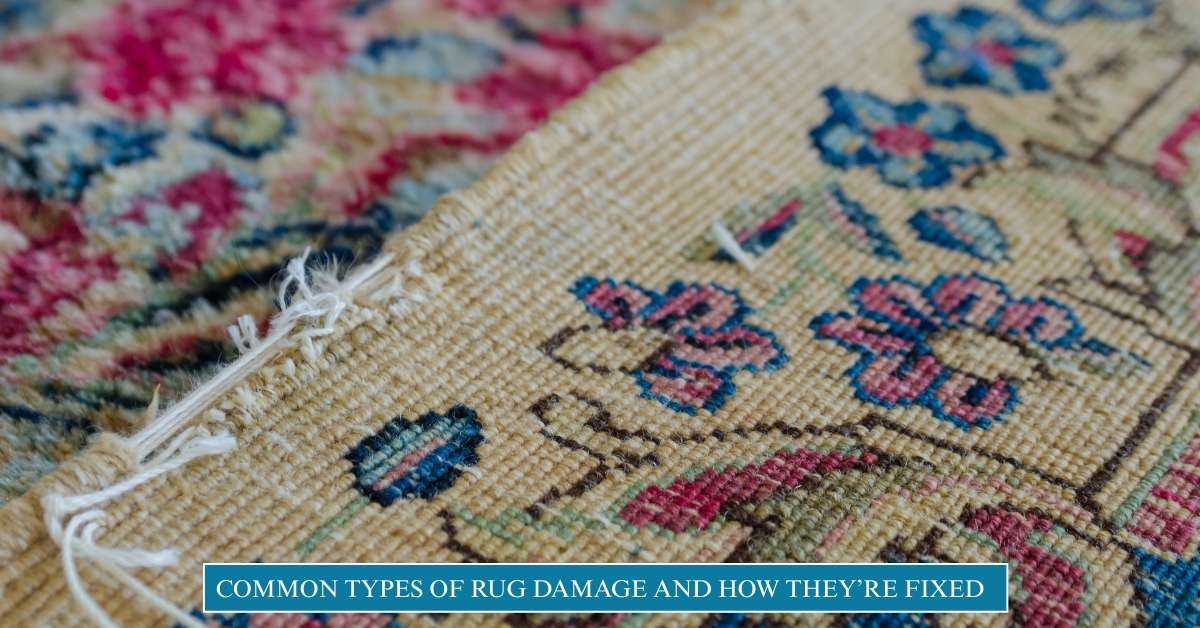
Edge damage is one of the most frequently encountered problems in area rugs. When the binding or selvage begins to loosen, threads may unravel gradually. If left untreated, the damage can extend into the main body of the rug.
Common causes include:
- Heavy foot traffic
- Aggressive vacuuming along edges
- Dragging furniture across the rug
- Natural aging
Professional repair typically involves re-binding or reinforcing the edges to stabilize the structure. Addressing fraying early prevents more serious foundation damage.
Fringe Deterioration
Fringe is often the first part of a rug to show wear because it is exposed and easily pulled or stepped on. Over time, fringe may become tangled, shortened, or detached.
It’s important to remember that fringe is not merely decorative; it is an extension of the rug’s foundation threads. When fringe weakens, the rug’s structural stability may be at risk.
Repair techniques may include:
- Re-knotting loose fringe
- Securing foundation threads
- Replacing severely damaged sections
Stabilizing fringe prevents unraveling from spreading into the rug’s main weave.
Holes and Tears
Small holes or tears can result from moth damage, pet scratching, or concentrated wear in high-traffic areas. Although these imperfections may appear severe, many can be corrected through skilled reweaving.
Reweaving involves reconstructing missing fibers to match the original pattern, texture, and color. When performed correctly, repairs blend seamlessly with the surrounding weave.
Prompt repair is essential. Continued foot traffic can enlarge small holes and increase restoration complexity.
Worn or Thinning Areas
Over time, certain sections of a rug may thin due to repeated use. Fibers flatten, fade, or wear down to the foundation threads, especially in walkways or under furniture.
Depending on the rug’s material and construction, restoration may involve:
- Reinforcing weakened foundation threads
- Re-piling (adding new fibers)
- Stabilizing surrounding areas to prevent further thinning
The success of repair depends on the quality of the rug and how early the damage is addressed.
Pet Damage
Pets can unintentionally cause damage through scratching, chewing, or accidents. Urine penetration is particularly concerning because it can seep into the foundation, leading to fiber weakening and persistent odors.
Professional restoration often combines structural repair with deep cleaning to eliminate contaminants and reinforce damaged areas. Acting quickly significantly improves the likelihood of full recovery.
Water Damage and Mold
Flooding, leaks, or improper cleaning can introduce moisture into a rug’s foundation. When water remains trapped, it can cause:
- Dye bleeding
- Warping
- Fiber breakdown
- Mold or mildew growth
Water-damaged rugs require immediate attention. Controlled drying, sanitization, and foundation reinforcement are often necessary to restore structural stability.
Burn Marks
Burn damage from candles or fireplaces typically affects surface fibers first. Minor burns may be trimmed and blended, while deeper damage may require patching or reweaving.
Repair success depends largely on whether the foundation threads remain intact.
Color Fading and Dye Issues
Prolonged exposure to sunlight can gradually fade rug colors, particularly in natural dyes. Improper cleaning methods may also lead to discoloration or dye bleeding.
Color restoration involves carefully re-dyeing affected areas to match original tones. Preventative measures, such as rotating rugs and limiting direct sunlight, help reduce fading over time.
Preventing Future Damage
Although many forms of damage are repairable, preventative care reduces the likelihood of major restoration.
Homeowners can extend rug lifespan by:
- Using rug pads to reduce friction
- Rotating rugs regularly
- Vacuuming gently, especially along edges
- Addressing spills immediately
- Scheduling routine professional cleaning
Regular maintenance allows minor issues to be identified before they escalate.
Final Thoughts
Rugs naturally experience wear over time, but many common forms of damage can be professionally repaired when addressed early. Frayed edges, fringe deterioration, holes, thinning areas, pet damage, and certain types of water or burn damage are often restorable.
Knowing how these issues are fixed helps homeowners make informed decisions about preservation versus replacement. With prompt professional attention and proper maintenance, rugs can maintain their beauty and structural integrity for decades.