Life tests the durability of our homes repeatedly. Unpredictable elements, from fierce storms to sweltering heatwaves, can wreak havoc and even compromise safety and comfort. Yet, it is possible to craft homes resilient enough to withstand nature’s onslaught. Recent advances in building techniques and materials have paved the way for structures that challenge the merciless elements, offering sanctuary during tumultuous times.
Nature’s Fury
The forces of nature have proven formidable time and again. Hurricanes flatten entire communities, while floods sweep away lifetimes of memories. With an increase in frequency and intensity, these events demand homes capable of withstanding harsh conditions. Building practices once deemed extravagant are now considered necessary adaptations to protect both property and lives.
Beyond torrential rains and gusty winds lurks the less obvious enemy: seismic activity. Earthquakes can crack walls, shift foundations, and render homes uninhabitable in seconds. It becomes imperative to ensure that houses in these regions embrace seismic considerations in their design. These include using ductile materials that flex rather than break under pressure and incorporating base isolations that cushion a building during tremors.
Smart Design Choices
The foundation of a resilient home begins with location. Constructing homes on elevated grounds with solid foundations reduces vulnerability to floods and landslides. Favoring sturdy materials, such as reinforced concrete and hurricane-proof windows, equips homes to weather storms with minimal damage.
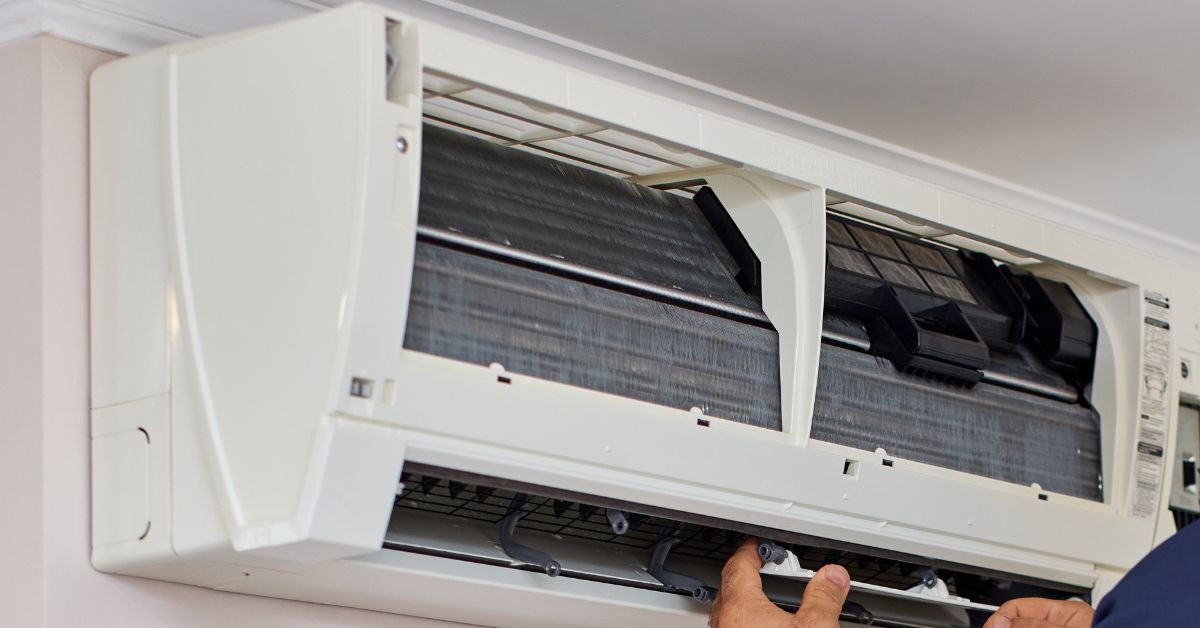
Another key consideration is maintaining essential systems to ensure a home’s functionality amid adverse conditions. Employ a reputable company like King Heating, Cooling & Plumbing servicing Chicago and the surrounding area for routine inspections and AC maintenance to prevent unexpected failures, providing comfort and safety during extreme weather events.
Thoughtful design does not end at structural elements. Roof shapes that allow water to channel off quickly, multi-layered windows, and well-sealed doors are weapons in the arsenal against destructive weather. Smart design choices are synonymous with less damage and lower repair costs in the long run.
It’s equally beneficial to consider passive design strategies that contribute to a home’s resilience by adapting to current climate conditions without relying heavily on external power sources. Orienting homes to optimize sunlight exposure can improve natural lighting and heating. Cross-ventilation strategies can reduce the need for artificial cooling, contributing to a home’s energy autonomy during adverse events.
Adaptation and Regulation
While private homeowners push innovation, governments have a crucial role to play through regulation. Building codes that demand higher standards are a fundamental safeguard against inevitable disasters. Strict adherence to updated safety protocols should be non-negotiable.
Region-specific adjustments address the particular challenges faced in vulnerable areas. Coastal regions may call for stringent storm-resistant standards, while earthquake-prone regions demand flexibility and reinforcement. Crafting resilient homes requires collaborative work involving stakeholders at all levels.
Implementing retrofitting programs for older homes is also essential to ensuring that communities are broadly prepared. Offering incentives for homeowners willing to upgrade their properties aligns with the overarching goal of achieving resilience. Retrofit programs can improve heat retention, seal surface cracks, and better integrate renewable energy sources, aligning legacy structures with modern safety standards.
Harnessing Technology
The integration of contemporary technology offers an added layer of protection. Automated systems can swiftly respond to threats by adjusting shutters, activating backup power supplies, or even controlling indoor climate conditions during extreme weather events. These advancements help maintain the integrity of homes, ensuring functionality when it is needed most.
Beyond immediate responses, technology empowers homeowners with predictive insights. Advanced weather simulations and sensors installed around a property grant early warnings of impending threats. A home equipped with this forward-looking technology gives residents time to secure valuables, activate defense mechanisms, and prepare adequately, offering peace of mind amidst brewing storms.
Community and Beyond
Resilient homes are, ultimately, a collective effort. Neighbourhood initiatives, such as building clear evacuation routes and sharing resources, fortify the community as a whole. Envisioning homes as part of a greater ecosystem augments sustainability and fosters a network of resilience that is prepared to bounce back.
Climate change will not relent. The elements will persist in their unpredictability, and homes cannot depend on luck alone for fortification. They must be designed and built with foresight and diligence, standing not as castles in the sand but as bastions of safety in an uncertain future.
Building with resilience in mind is not merely an exercise in luxury; it is a proactive approach to safeguarding lives and preserving memories in the face of an indifferent world. These homes represent not only shelter but survival through the surges and storms that challenge our steadfastness.