Table of Contents
- Understanding Ductless Mini Split Systems
- Importance of Regular Maintenance
- Common Repair Issues and Solutions
- Innovations in Maintenance and Repair
- DIY vs. Professional Services
- Cost-Benefit Analysis of Maintenance
- Future Trends in Ductless Mini Split Technology
- Conclusion
As more homeowners turn to ductless mini split systems for their energy-saving benefits and flexible temperature control, understanding the importance of routine care becomes crucial. These systems provide highly effective climate control tailored to different areas of a home, making them perfect for a range of living spaces. However, even the most advanced mini splits require regular attention to maintain peak performance. For those in need of quick assistance, professional ductless mini-split repair services are available to address breakdowns and keep systems running efficiently.
Ductless mini splits have revolutionized home comfort by eliminating the need for bulky ductwork and allowing for customization in different zones. Their design is ideal for both retrofits and new constructions. Yet, to maximize these benefits, consistent upkeep is key. Learning about routine maintenance tasks and modern repair strategies helps extend the lifespan of your investment and avoid unexpected discomfort or repair costs.
Understanding Ductless Mini Split Systems
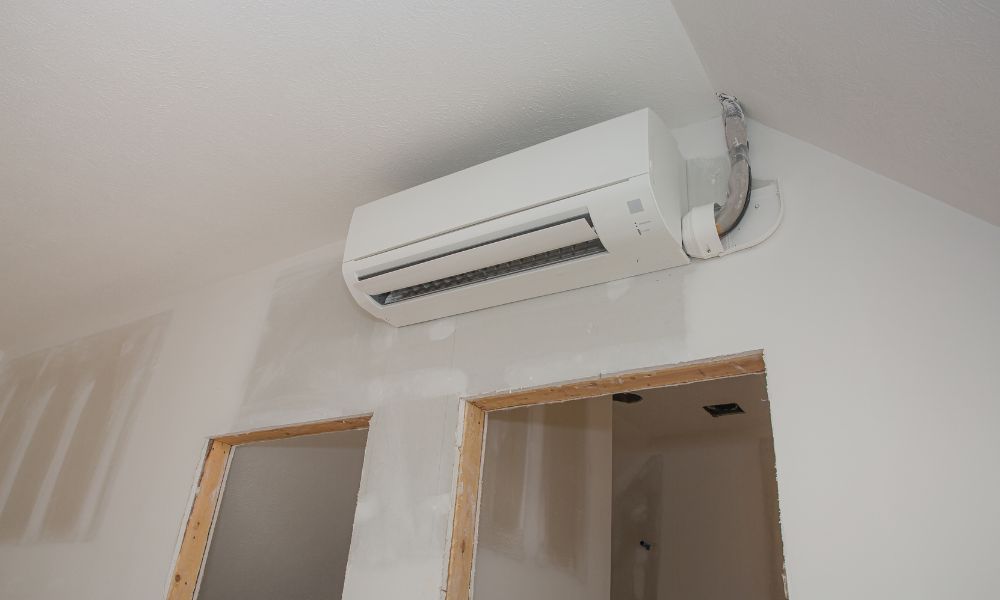
Ductless mini split systems consist of two main components: an outdoor compressor unit and one or more indoor air-handling units. These indoor units are connected to the compressor via refrigerant lines rather than ducts, allowing for precise zoned heating and cooling. This technology enables homeowners to set unique temperatures in different rooms according to their preferences, increasing comfort and reducing wasted energy.
This zoned approach not only prevents unnecessary energy use in unoccupied areas but also allows for greater flexibility in home design. Mini splits operate quietly and are less invasive to install than traditional ducted systems, making them a preferred choice for home additions, older homes without ducts, and places where duct installation is not practical.
Importance of Regular Maintenance
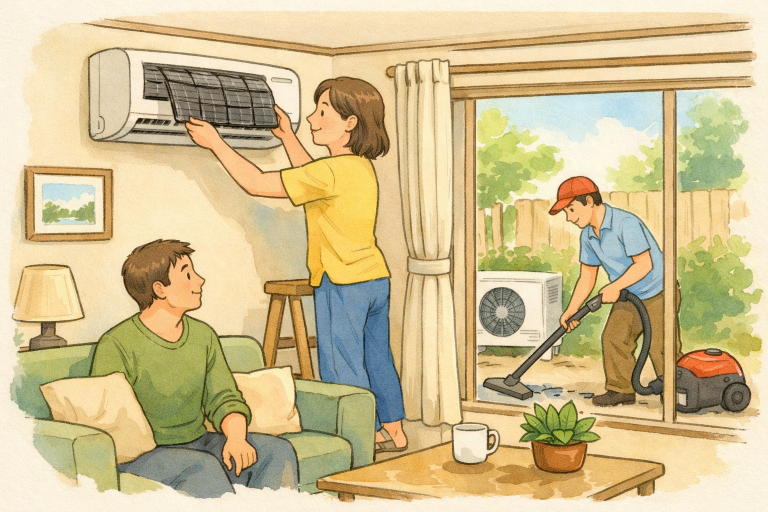
Routine maintenance, such as filter inspection and cleaning, is critical for energy efficiency and the longevity of ductless mini split systems. Over time, dirt and debris can accumulate, impairing airflow and causing the system to work harder, which leads to increased energy consumption and higher utility bills. Other essential maintenance tasks include checking refrigerant levels and clearing debris from around the outdoor compressor unit.
Neglecting these tasks can result in more significant issues, such as loss of cooling or heating effectiveness, system breakdowns, or expensive repairs. For a deep dive on why maintenance matters, consult resources like Consumer Reports, which evaluates the long-term benefits of diligent care for home climate systems.
Common Repair Issues and Solutions
Despite their reliability, ductless mini splits occasionally experience problems such as refrigerant leaks, electrical malfunctions, or sensor errors. A frequent issue is a clogged condensate drain, which can cause water to leak indoors. This issue should be addressed immediately to prevent water damage and mold growth.
Sensor problems, typically caused by misaligned or dirty sensors, can disrupt the system’s ability to maintain the proper temperature. Meanwhile, refrigerant leaks not only reduce the system’s efficiency but can also cause significant mechanical damage if left unresolved. Many of these repairs require prompt professional attention to avoid costlier damage down the line.
Innovations in Maintenance and Repair
The latest ductless mini split systems incorporate technology that makes both maintenance and repair more accessible. Features such as app-based controls, advanced monitoring, and diagnostic capabilities allow homeowners to monitor system performance in real-time. For example, models like the DELLA Serena CloudAir Series provide users with 4D airflow and Wi-Fi connectivity, enabling remote adjustment and scheduling for greater convenience.
Other manufacturers are following suit with smart maintenance alerts that notify users about issues such as a dirty filter or needed refrigerant top-up. These advances simplify upkeep and encourage timely intervention, which can help households avoid emergency repairs and maintain indoor comfort seamlessly.
DIY vs. Professional Services
Certain aspects of ductless mini split maintenance are manageable for homeowners. Cleaning or replacing air filters, clearing debris from the outdoor unit, and gently dusting vents can all be done without technical expertise. However, tasks that involve refrigerant lines, electrical systems, or in-depth troubleshooting should always be left to certified HVAC professionals.
These professionals are equipped to safely handle potentially hazardous components and are trained in diagnosing issues that are not visible to the untrained eye. Having a trusted technician perform annual checkups can prolong the life of your mini split and provide peace of mind that the system remains reliable year-round.
Cost-Benefit Analysis of Maintenance
Investing in regular ductless mini split maintenance can yield substantial long-term savings. A well-maintained system operates more efficiently, resulting in lower monthly utility costs. Additionally, prompt attention to minor repairs can prevent major breakdowns and extend equipment lifespan, reducing the frequency and expense of system replacements.
Homeowners who budget for annual maintenance typically enjoy more consistent performance and comfort, along with fewer unexpected repair bills. Keeping your system in top shape is not only a matter of immediate comfort but also a smart financial decision over the life of the equipment.
Future Trends in Ductless Mini Split Technology
The ductless mini split marketplace is rapidly evolving with features focused on sustainability, automation, and ease of installation. Manufacturers are now offering systems with higher energy efficiency ratings, improved refrigerants that have a lower environmental impact, and multi-zone control for total home comfort.
Systems like the 5th Generation MRCOOL DIY Multi-Zone allow for self-installation and provide homeowners with more control over multiple areas of their homes. As technology advances, homeowners can expect even greater customization and user-friendliness from upcoming ductless innovations.
Conclusion
Ductless mini split systems combine the best of flexibility and efficiency for modern home comfort. By understanding their operation, maintaining a schedule for preventative upkeep, and keeping up with the latest technology, homeowners can ensure their climate control investment delivers dependable comfort and savings for years. For best results, blend diligent DIY care with professional servicing as needed, and stay informed about emerging innovations in the field.