LGC develops exterior work as a complete service for the home, not as a set of separate installation tasks. The focus is on decks, surfaces, stairs, railings, covers, and related elements that must withstand a wet climate, everyday load, and constant use throughout the season. For a homeowner, this means one important thing: the space around the house is built as one unified and well-planned structure, not as a random set of details.
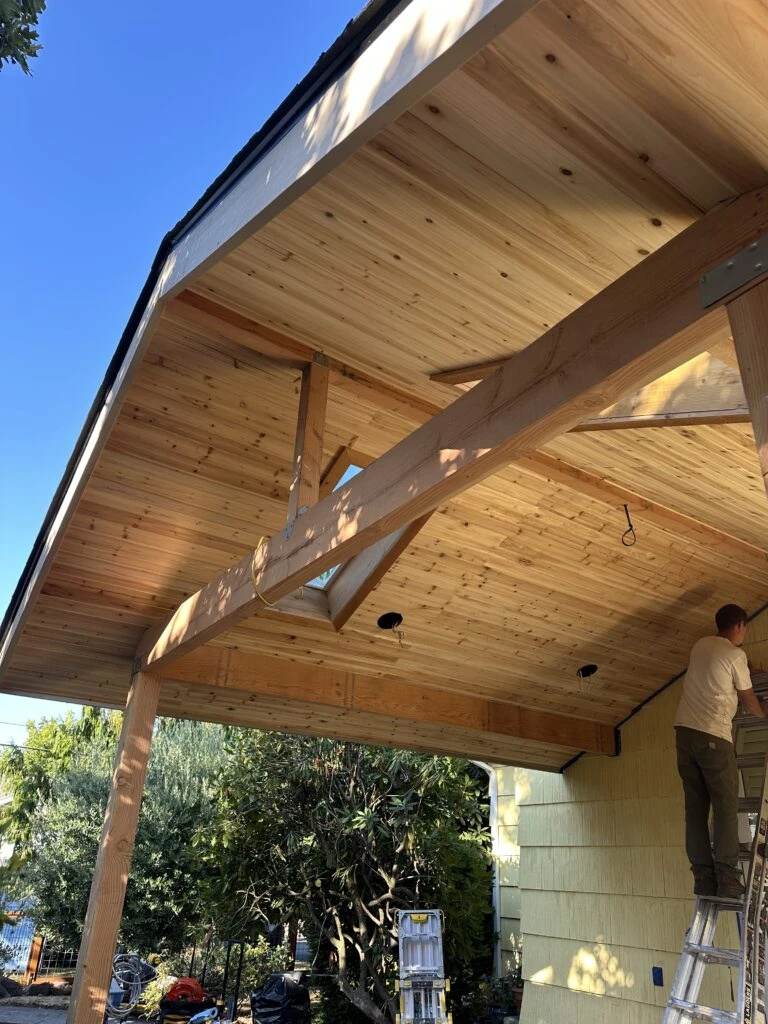
That is why LGC https://lgcremodeling.com/ places emphasis not only on building a new deck, but also on choosing materials, the type of surface, the safety of railings, the design of the stairs, and the level of protection from rain and sun. In Vancouver, Portland, and neighboring areas, this approach is especially important, because the climate in the Pacific Northwest quickly shows the difference between a temporary solution and a structure designed for normal long-term use.
Why the choice of material affects the entire result
In exterior projects, material determines more than appearance. It affects maintenance, resistance to moisture, the way the surface performs through seasonal changes, and the overall nature of daily use. That is why the company does not reduce the conversation with the homeowner to one popular option. It works with both natural wood and composite systems, selecting the right solution for the specific property, the style of the home, and the real expectations of the family.
For LGC, what matters is not the formal choice of surface material, but how it will perform together with the frame, railings, stairs, and the overall layout of the space. This approach is especially noticeable in areas with high humidity, where mistakes cannot be hidden for long by exterior finishes. If the material is chosen without considering real operating conditions, it quickly affects comfort, safety, and the service life of the whole structure.
What materials LGC uses for decks and outdoor spaces
- Trex composite decking.
- Western red cedar.
- Trex composite railing systems.
- Treated wood for the base and load-bearing parts.
- Cover materials, including wood, aluminum, and vinyl.
This range allows the company to avoid being limited to one type of project. In some cases, a homeowner values the natural look of wood and its warm texture, while in others the main priority is low maintenance and more stable surface performance in difficult weather conditions. Because of this, the team can offer not a standard layout, but a more precise configuration for a specific task.
Why composite solutions hold an important place in the company’s services
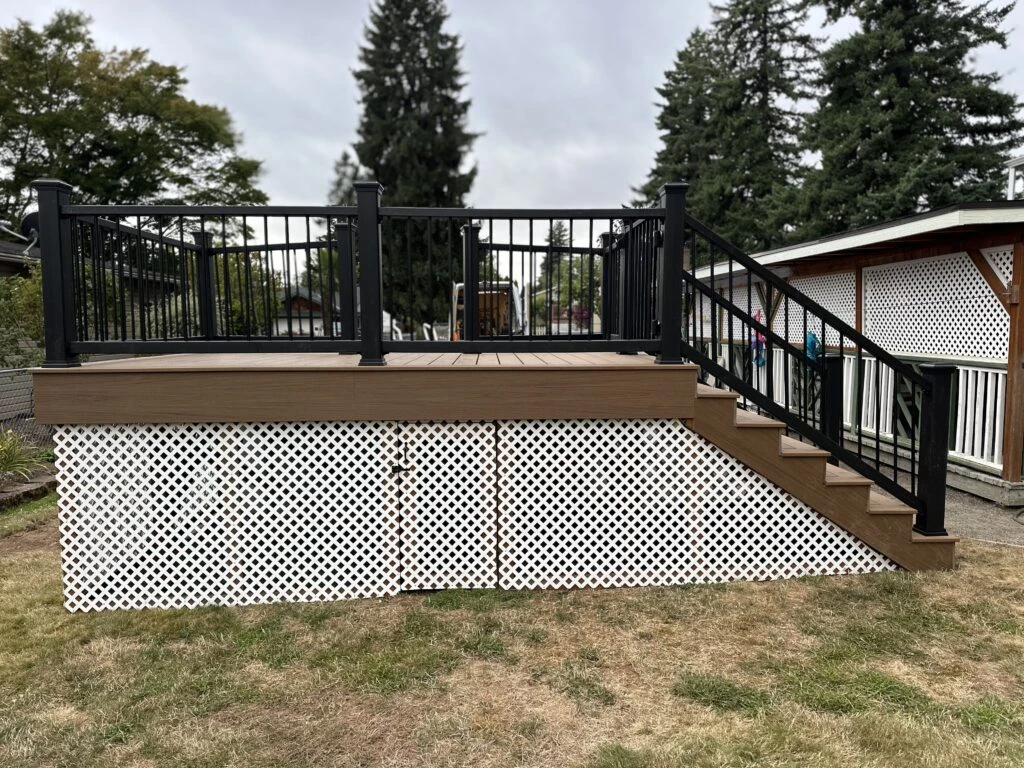
LGC has a separate focus on Trex decking and Trex rail systems. This is not a random choice. On its service pages, the company directly connects composite solutions with durability, convenience, and lower maintenance requirements. For regions with long rainy periods, wet autumns, damp winters, and hot dry summers, this logic is practical: the surface should keep its shape, appearance, and comfort without constant seasonal treatment.
Trex composite decking at LGC is presented as an option for homeowners who want a modern outdoor area with a simpler maintenance routine. The company emphasizes that these boards do not behave like ordinary untreated wood under the effects of moisture and do not require annual painting or sealing in the way many wood surfaces do. That is why composite materials are often chosen both for updating older platforms and for new projects where practicality for years ahead is important.
What cedar brings to LGC projects
Cedar decks hold a separate place in the company’s work. LGC presents western red cedar as a regional material that feels natural in the Pacific Northwest and works well with the architecture of the area, giving a natural appearance without excessive decorative effect. For many homes, this matters because the space around the house should look organic, not like an insert from a completely different style.
At the same time, cedar in the company’s presentation is not just an attractive solution. The service page emphasizes that the wood’s natural oils provide resistance to moisture and rot, which is especially appropriate for the local climate with frequent rain. This material is a good fit for homeowners who value a natural surface and are ready to maintain it in order to preserve both the appearance and the practical qualities of the structure.
What elements of the space the company brings together into one system
- Custom-designed decks.
- Stairs for safe and convenient movement between levels.
- Railings and gates for protection and a finished look.
- Multi-level solutions for properties with elevation changes.
- Patio and deck covers.
- Combined deck with patio projects.
- Enclosed and semi-enclosed spaces for a longer season of use.
It is in this combination that the company’s approach is most clearly visible. LGC does not separate the outdoor area into unrelated parts. If the property has changes in elevation, the company offers a multi-level layout. If the goal is to connect the exit from the house with the lower part of the yard, stairs and transitions are included in the project. If the homeowner wants to use the space in more than just dry weather, covers or combined patio solutions are added.
Why railings and stairs at LGC are part of safety, not a secondary detail
On separate service pages, the company shows that railings and stairs are not treated as decorative additions. For Trex rail systems, it emphasizes checking the existing framing and posts, updating fasteners when necessary, and meeting local requirements for height, connections, and spacing. This is especially important where the outdoor area is used by children, guests, and pets.
The same applies to stairs. When working with multi-level properties and complex terrain, LGC connects ease of movement with the safety of the entire outdoor zone. If a good deck surface is built but the steps remain weak, the whole structure loses its practical value. That is why the company assembles the space as one complete solution, where movement between levels is no less important than the surface itself.
How the regional climate affects the company’s approach
For Oregon and Washington, exterior projects are always tied to rain, dampness, and changing seasons. On its service pages, LGC repeatedly emphasizes the importance of ventilation, water drainage, flashing, proper connections, and a well-planned base. This is not a technical formality, but a direct condition for durability. If moisture remains in the wrong places or air does not move properly through the structure, even a good material will not deliver the expected result.
That is why the company begins with an evaluation of the site and the future use scenario. The project descriptions refer to analysis of height, access, slope, connection to the house, choice of material, and installation conditions. This approach helps create an outdoor space not only according to visual preferences, but also according to the real conditions of a specific home.
What makes the LGC format convenient for a homeowner
The company combines several important things: work with different materials, understanding of the regional climate, attention to the structural side, and a broad range of services around decks and outdoor spaces. Because of this, a homeowner does not need to separately look for contractors for the surface, stairs, railings, covers, and transitions between levels. The full logic of the space is brought together in one project, where each part must work with the others.
This approach is especially useful for people who want not just a new surface in the yard, but a complete and comfortable outdoor area for everyday life. LGC knows how to work with both natural cedar and modern composite systems, as well as with the additional elements that make the space feel complete. When a project requires materials, safety, and convenience to be thought through in advance, it is possible to discuss the property with LGC, choose the right solution, and move into the work with confidence.