
Key Takeaways:
- Understand common stressors in the home-selling process.
- Implement strategies to minimize anxiety and streamline the sale.
- Utilize professional resources to ease the burden.
Table of Contents:
- Understanding the Stress of Selling a Home
- Effective Strategies to Reduce Selling Stress
- Leveraging Professional Help
- Preparing Your Home for Sale
- Setting the Right Price
- Managing Showings and Open Houses
- Navigating Negotiations and Offers
- Closing the Sale Smoothly
Selling your home can feel overwhelming, but understanding what sparks anxiety and knowing how to tackle it can make all the difference. Whether it’s your first time selling or you’re a seasoned mover, emotional attachment, financial pressures, and the uncertainty of the housing market can all weigh heavily. Taking the right steps will provide peace of mind and instill confidence along the way. If you are looking to move quickly, resources like https://www.zackbuyshouses.com/sell-my-house-fast-in-shelby-nc/ offer solutions tailored to ease that burden for homeowners in a time crunch.
For anyone facing the reality of coordinating repairs, showings, and negotiations, the stress can escalate quickly. The good news is that there are practical strategies that can help any seller take control of the process and smooth out the journey from listing to closing. Identifying professional resources early on anchors your experience and allows you to focus on your next steps without getting bogged down in confusion or chaos.
Staying organized, having clear priorities, and utilizing expert help are all proven ways to remain focused and reduce strain. With the right plan in place, it’s possible to transform a taxing experience into one that is empowering and rewarding.
Another way to get ahead is by exploring comprehensive home-selling support, such as https://www.zackbuyshouses.com/, which provides local solutions and expertise to guide sellers at every stage.
Understanding the Stress of Selling a Home
Selling a home is consistently ranked as one of life’s most stressful events. Emotional attachments to your home, financial concerns, and the unpredictability of buyers can quickly add to the emotional load. Homeowners may also feel pressure to achieve the best possible sale price while managing the logistics of moving and coordinating with multiple parties.
Effective Strategies to Reduce Selling Stress
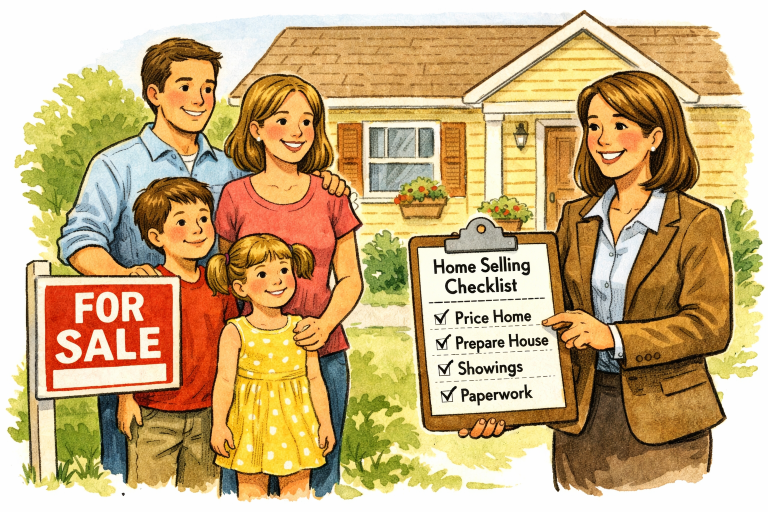
Reducing stress during the home-selling journey is possible with the right approach. Start by giving yourself plenty of time. Two to three months is ideal for preparing your property, researching the market, and lining up professional support. Make a checklist of what needs to be accomplished and set realistic goals. Consider market trends, average days on market, and recent comparable sales in your area to frame your expectations. You will feel more in control when you understand potential selling timelines, common buyer requests, and shifting negotiating conditions.
- Start Early: Allowing ample preparation time ensures you’re not caught off guard by last-minute issues.
- Set Realistic Expectations: Grasp the state of your local market and approach the process with flexible, achievable goals.
- Stay Organized: Keep all important documents and appointments well-documented from the outset.
Leveraging Professional Help
Partnering with experienced professionals such as real estate agents, home stagers, and legal experts can make a world of difference. Not only will you benefit from their local market expertise and negotiation skills, but they’ll also handle many details that otherwise would fall on you. An agent can price your home accurately, suggest cost-effective improvements, and implement a marketing strategy to reach the right buyers. Home stagers and contractors can handle the appearance and repair work, further freeing your schedule and mind.
Preparing Your Home for Sale
Presentation can heavily influence your selling price and speed. Begin by decluttering. Clear away personal effects, seasonal decor, and bulky furnishings to make rooms appear spacious and inviting. Address any minor repairs buyers are likely to notice, such as leaky faucets, scuffed paint, or loose hardware. Consider repainting in neutral tones to create a blank canvas. Staging your home with thoughtfully arranged furniture and décor can highlight its best features and help buyers visualize themselves living there.
- Decluttering: A neat home feels larger and more welcoming.
- Repairs and Maintenance: Fixing small problems shows buyers the home has been well cared for.
- Staging: Professional staging or virtual tours can provide a real competitive edge.
Setting the Right Price
Carefully pricing your home is one of the single most important decisions in the selling process. Too high, and you risk sitting on the market for months. Too low, and you could leave significant money behind. Conduct a comparative market analysis to gauge what similar homes in your area have recently sold for and consider getting a professional appraisal. A realistic and competitive price attracts serious buyers and can even lead to multiple offers, giving you more control. For more insights, refer to Kiplinger’s guide on How to Set the Price to Sell Your Home.
Managing Showings and Open Houses
Daily life can be disrupted by the need for impromptu showings and open houses. Coordinate with your agent to establish a schedule that minimizes inconvenience. Keep your home ready by tidying up each day and storing away personal items. Be open to feedback from potential buyers and agents. It can be invaluable in making adjustments that lead to a faster sale. Remember, flexibility can pay off, but it should not come at the expense of your comfort or routine.
- Scheduling: Booking specific times for showings limits interruptions.
- Preparation: A tidy, inviting home can make a big impact on buyers.
- Feedback: Constructive input can reveal easy fixes to remove buyer hesitation.
Navigating Negotiations and Offers
Negotiation is often a high-pressure part of selling. Stay composed and consider each offer with a clear mind. Evaluate not only the price offered but also contingencies, timelines, and buyer qualifications. Your agent can help you weigh the pros and cons and avoid emotional reactions. Be ready for counteroffers and remember that flexibility and good communication with prospective buyers can lead to a mutually beneficial outcome.
Closing the Sale Smoothly
As your sale nears completion, ensure all documentation is organized and accessible. Collaborate closely with your real estate agent, attorney, and other professionals to address any final inspections or contingencies. Clear and prompt communication is crucial. This helps resolve last-minute issues and ensures a timely, smooth closing. Check off all contractual obligations on your checklist to finish strong and start your next chapter with confidence.
Selling your home does not have to be distressing. By understanding the unique stressors involved and taking advantage of the strategies and resources available, you can turn a potentially overwhelming process into a manageable and even gratifying experience.